Are Water Hammer Arrestors Maintenance Free?
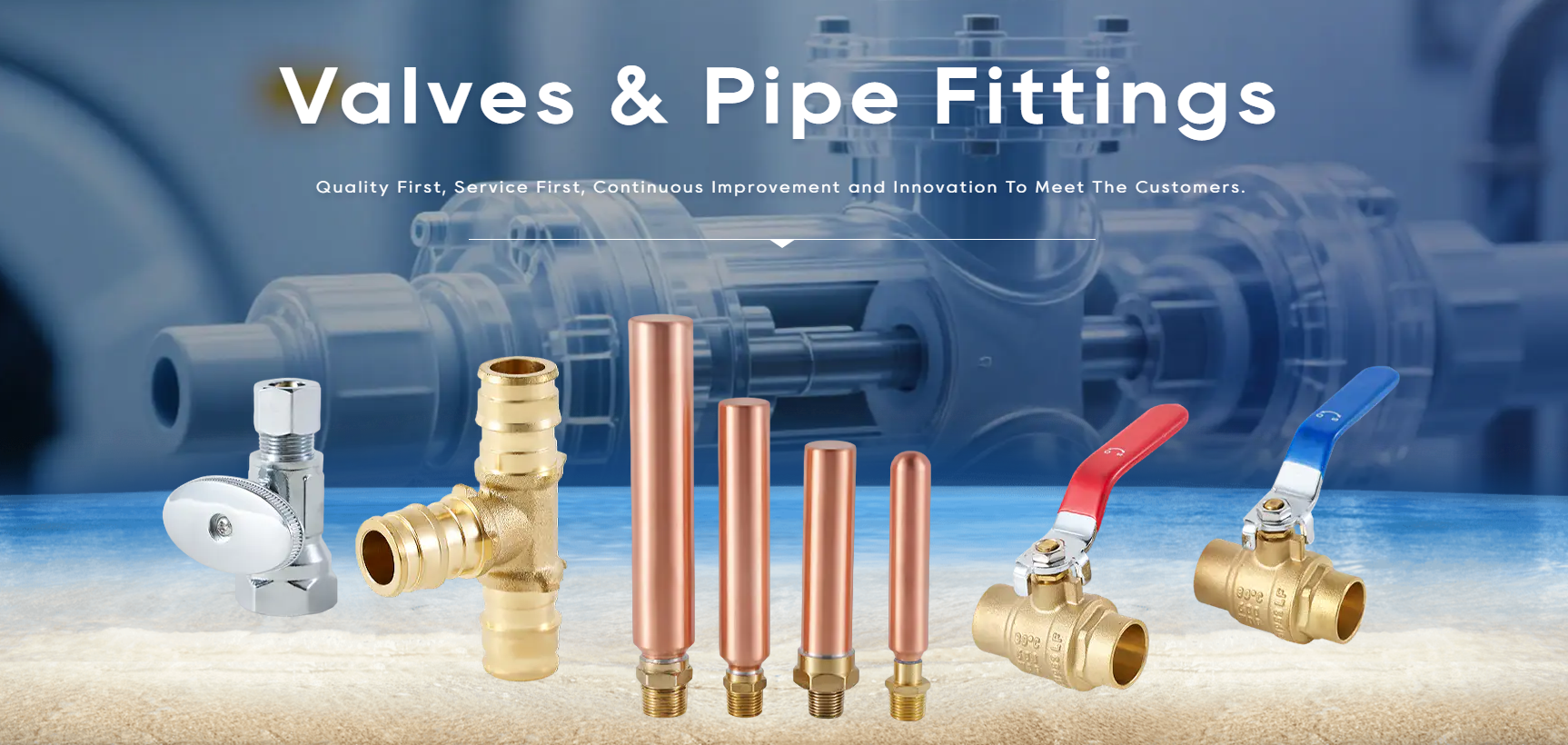
Water hammer arrestors are widely used to reduce hydraulic shock in modern plumbing systems. These devices help absorb sudden pressure surges generated by rapid valve closure, protecting pipes and fittings from vibration and mechanical stress. A Copper Water Hammer Arrestor is commonly installed in residential systems with copper piping, while a Stainless Steel Water Hammer Arrestor is often selected for industrial or corrosive environments requiring enhanced material durability.
Traditional plumbing systems sometimes relied on simple vertical air chambers to absorb pressure fluctuations. Over time, those chambers could fill with water and lose effectiveness. Modern piston-operated arrestors address this issue through permanently sealed air chambers that maintain consistent cushioning performance.
Many modern arrestors are designed as maintenance-free components because:
The air chamber is factory sealed
Internal pistons isolate water from compressed air
Corrosion-resistant materials extend service life
No routine draining is required
Compact construction reduces installation stress
Technical specifications commonly include:
Pressure rating: 150 PSI to 250 PSI
Maximum surge resistance: 400 PSI
Pre-charge pressure: approximately 60 PSI
Temperature capability: up to 212°F
Body materials: copper, brass, or stainless steel
Internal piston materials: polypropylene or engineered polymers
Several plumbing standards are used to verify arrestor performance, including ASSE 1010 and PDI WH-201 certifications. These standards evaluate the device’s ability to control hydraulic shock generated by rapid valve closure.
Long-term performance depends on several operating conditions. Systems with extremely high pressure, frequent valve cycling, or poor water quality may place additional stress on plumbing components. Proper sizing remains important because undersized arrestors may not absorb sufficient shock energy.
Common applications include:
Residential kitchens
Bathroom supply lines
Commercial dishwashers
Ice maker connections
Industrial process piping
Pump discharge systems
Medical facility plumbing
Copper arrestors are widely used in indoor plumbing because copper piping remains common in residential construction. Stainless steel designs are often preferred in environments exposed to humidity, chemicals, or outdoor conditions.
Improper installation location can also affect service life. Arrestors perform more effectively when positioned close to the source of sudden valve closure. Pressure waves traveling long distances before reaching the arrestor may continue stressing portions of the piping system.
Field discussions from plumbing professionals frequently identify washing machines and ice makers as major sources of water hammer because their valves close rapidly during operation.
Additional system factors that influence performance include:
Pipe support stability
Pump cycling frequency
Flow velocity
Thermal expansion
Valve response speed
Water pressure fluctuations
Regular inspection of the plumbing system can help identify early signs of hydraulic shock, including pipe vibration, knocking sounds, or loose fittings. Addressing these issues early may reduce long-term wear on valves and connectors.
Modern plumbing design increasingly incorporates water hammer protection as standard practice, particularly in buildings using automatic valves and high-efficiency appliances. Proper material selection, accurate sizing, and strategic installation all contribute to stable pressure control and extended piping system reliability.
Kategorien
Mehr lesen
Los Casinos Online y la Regulación: Cómo las Nuevas Leyes Están Cambiando el Juego en 2025 El mundillo de los casinos online, un sector que ha crecido de manera exponencial en la última década, se encuentra en una encrucijada en 2025. Las nuevas regulaciones y leyes están reconfigurando el panorama del juego en línea de una manera que nadie...

After a rain-delayed begin and 10 innings, the Colorado Rockies walked off the San Diego Padres, 4-3. Due to the fact that Rockies-Padres video games are constantly odd, await Lambert will certainly take the pile for the Mountain ranges tonight. He generates a 4.67 age in 45.1 innings pitched. He was solid in his last trip and aims to improve Nationals will begin Pedro Avila. He has actually...

What is Lorem Ipsum? Lorem Ipsum is simply dummy text of the printing and typesetting industry. Lorem Ipsum has been the industry's standard dummy text ever since the 1500s, when an unknown printer took a galley of type and scrambled it to make a type specimen book. It has survived not only five centuries, but also the leap into electronic typesetting, remaining essentially unchanged....

Modern households are experiencing a quiet shift as technology reshapes daily routines, and pet care is no exception. Pawtechpet Pet Smart Appliances are becoming part of how owners manage feeding, hydration, grooming, and interaction, while still respecting natural pet behavior. As lifestyles become increasingly structured, these solutions raise an important question at the end of the...
Packaging materials influence more than the appearance of a finished product. They can also affect handling, product visibility, storage, and the overall wrapping process. Crosslinked Shrink Film from jtpackage provides a practical option for businesses seeking a flexible material that can form neatly around products while supporting a clean packaging appearance. Its characteristics make it...