Are Water Hammer Arrestors Maintenance Free?
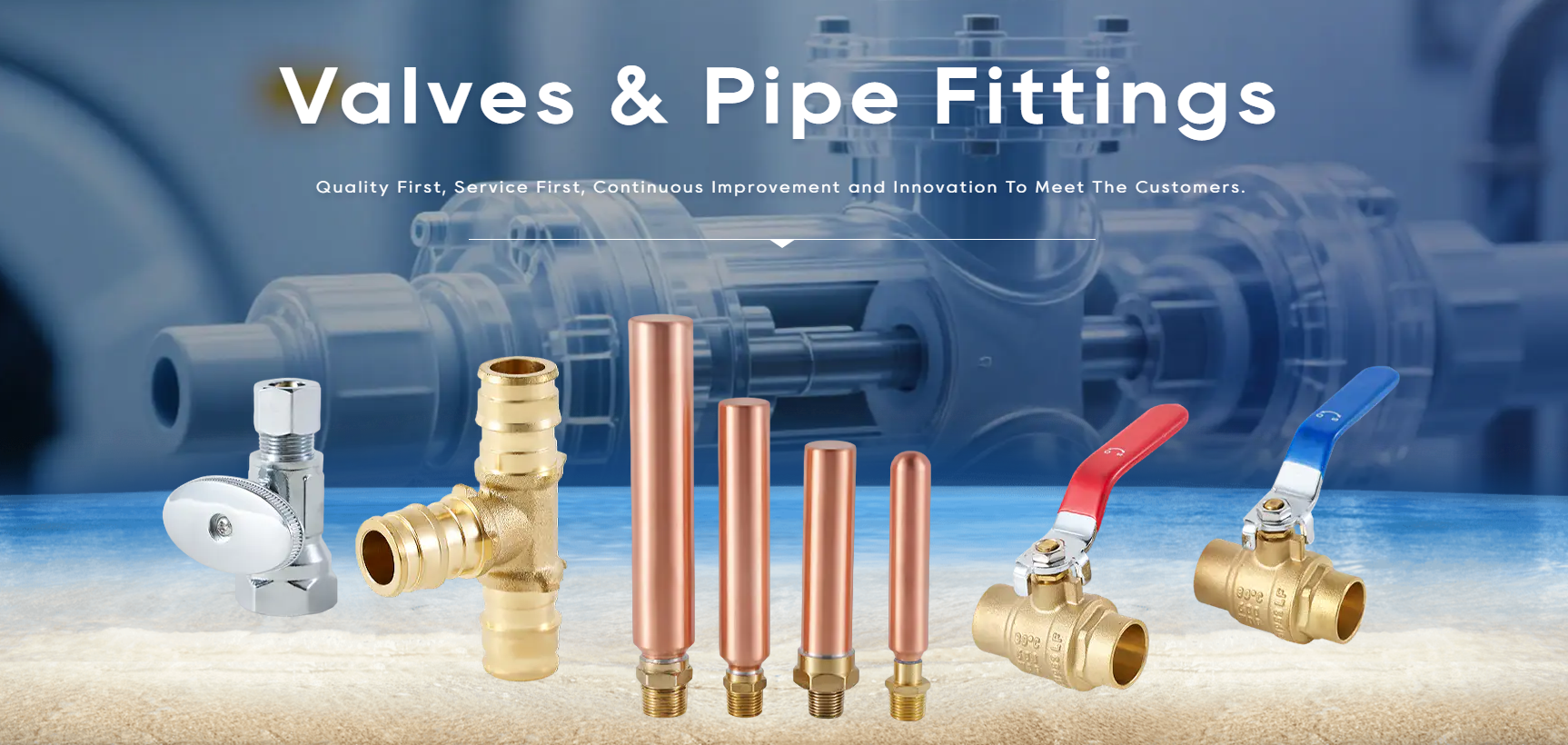
Water hammer arrestors are widely used to reduce hydraulic shock in modern plumbing systems. These devices help absorb sudden pressure surges generated by rapid valve closure, protecting pipes and fittings from vibration and mechanical stress. A Copper Water Hammer Arrestor is commonly installed in residential systems with copper piping, while a Stainless Steel Water Hammer Arrestor is often selected for industrial or corrosive environments requiring enhanced material durability.
Traditional plumbing systems sometimes relied on simple vertical air chambers to absorb pressure fluctuations. Over time, those chambers could fill with water and lose effectiveness. Modern piston-operated arrestors address this issue through permanently sealed air chambers that maintain consistent cushioning performance.
Many modern arrestors are designed as maintenance-free components because:
The air chamber is factory sealed
Internal pistons isolate water from compressed air
Corrosion-resistant materials extend service life
No routine draining is required
Compact construction reduces installation stress
Technical specifications commonly include:
Pressure rating: 150 PSI to 250 PSI
Maximum surge resistance: 400 PSI
Pre-charge pressure: approximately 60 PSI
Temperature capability: up to 212°F
Body materials: copper, brass, or stainless steel
Internal piston materials: polypropylene or engineered polymers
Several plumbing standards are used to verify arrestor performance, including ASSE 1010 and PDI WH-201 certifications. These standards evaluate the device’s ability to control hydraulic shock generated by rapid valve closure.
Long-term performance depends on several operating conditions. Systems with extremely high pressure, frequent valve cycling, or poor water quality may place additional stress on plumbing components. Proper sizing remains important because undersized arrestors may not absorb sufficient shock energy.
Common applications include:
Residential kitchens
Bathroom supply lines
Commercial dishwashers
Ice maker connections
Industrial process piping
Pump discharge systems
Medical facility plumbing
Copper arrestors are widely used in indoor plumbing because copper piping remains common in residential construction. Stainless steel designs are often preferred in environments exposed to humidity, chemicals, or outdoor conditions.
Improper installation location can also affect service life. Arrestors perform more effectively when positioned close to the source of sudden valve closure. Pressure waves traveling long distances before reaching the arrestor may continue stressing portions of the piping system.
Field discussions from plumbing professionals frequently identify washing machines and ice makers as major sources of water hammer because their valves close rapidly during operation.
Additional system factors that influence performance include:
Pipe support stability
Pump cycling frequency
Flow velocity
Thermal expansion
Valve response speed
Water pressure fluctuations
Regular inspection of the plumbing system can help identify early signs of hydraulic shock, including pipe vibration, knocking sounds, or loose fittings. Addressing these issues early may reduce long-term wear on valves and connectors.
Modern plumbing design increasingly incorporates water hammer protection as standard practice, particularly in buildings using automatic valves and high-efficiency appliances. Proper material selection, accurate sizing, and strategic installation all contribute to stable pressure control and extended piping system reliability.
الأقسام
إقرأ المزيد
The ultraviolet curable resin market is positioned for remarkable growth, with forecasts suggesting a rise to USD 17.29 billion by 2035. This potential expansion reflects a compound annual growth rate (CAGR) of 8.68%, driven by the escalating demand for sustainable materials across various sectors. The transition towards environmentally friendly production methods and the need for...

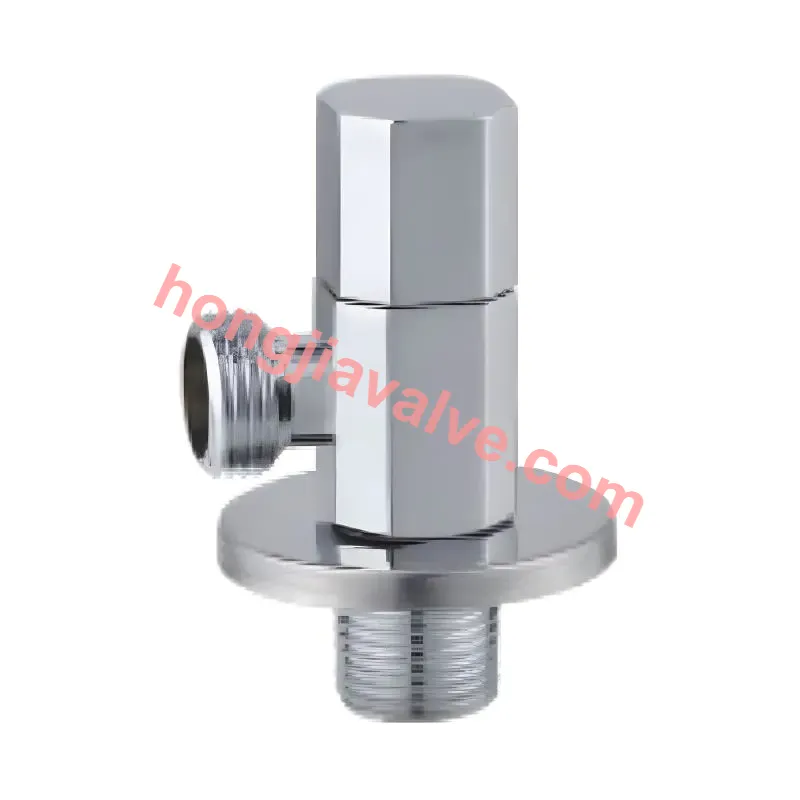
Plumbing and water distribution networks require components that regulate flow and provide isolation capabilities at critical junctions.stop valve from hongjiavalve delivers dependable performance across diverse installations crafted through specialized manufacturing by the company. Engineers and technicians often explore exact placement options so they can design systems that function...
Raw material interface separation during composite manufacturing creates extra processing waste for production plants, many workshop technicians seek unified operating standards to balance substrate compatibility and raw material activity,silane coupling agent delivers stable bridging performance only under matched preparation and heating settings, industrial users may collect all...
Рассматривая достоинства проекта Глаз Бога, необходимо понимать - адекватной альтернативы на сегодняшний день нет по сути. Имеются конечно же мощнейшие системы поиска, но нацелены они на Америку и страны Европы. Если вспомнить про русскоязычную среду, то лидером тут является Телеграм бот Глаз Бога. Можно будет также сказать про служебные базы полиции, тем не менее маловероятно, что вы сможете...
Guanfengmotor provides comprehensive information on High-Power Grinding Machine equipment through its professional platform where technicians and workshop operators discover solutions for demanding material processing needs. The manufacturer emphasizes robust engineering practices that meet conditions encountered in metal fabrication shops construction sites and industrial maintenance...