


Chemical Flow Control with Globe Valve Design
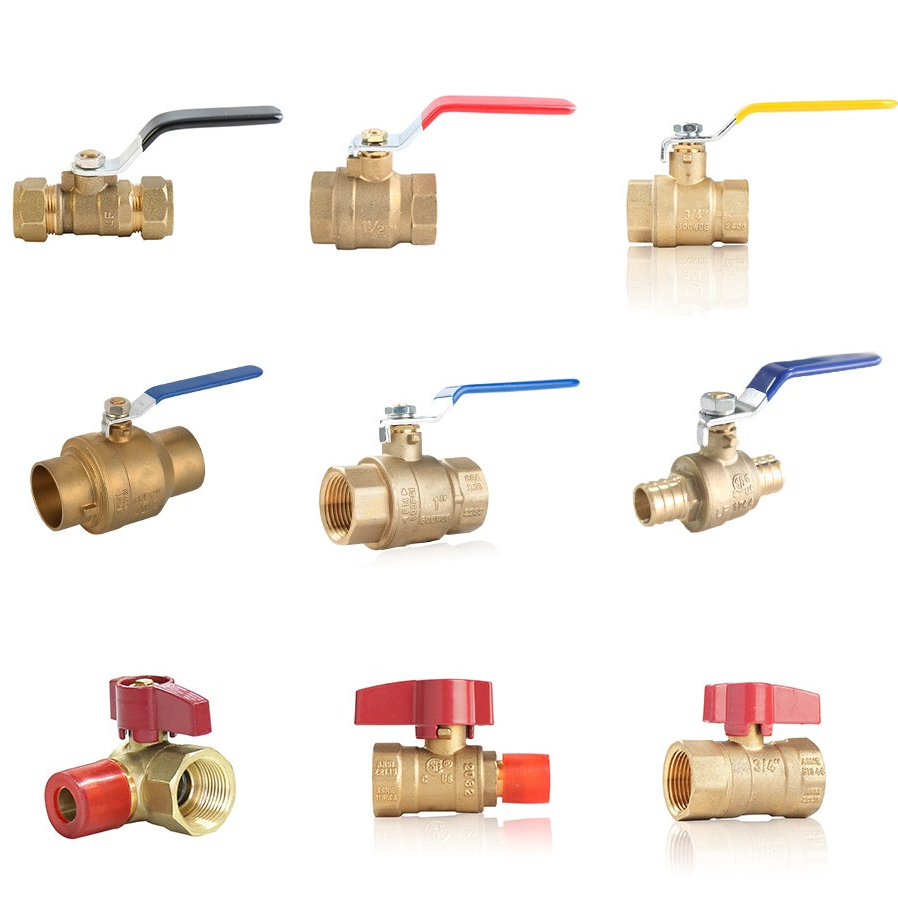
Chemical processing systems demand strict control over flow stability, sealing performance, and material resistance. The Internal Thread Globe Valve is widely adopted in these environments because it combines compact installation design with precise throttling capability and corrosion-resistant construction options.
Unlike quarter-turn valves, globe valves use linear motion where a disc moves vertically against a seat. This structure allows controlled modulation of flow, which is essential in dosing systems, reagent pipelines, and chemical blending operations.
Material Selection for Chemical Resistance
In chemical applications, material compatibility is critical. The Internal Thread Globe Valve is commonly manufactured using:
Stainless steel 304 / 316 / 316L
CF8 / CF8M cast stainless steel
PTFE or graphite sealing systems
Optional alloy upgrades for aggressive media
Typical technical parameters include:
Pressure rating: PN16 to PN40 (1.6–4.0 MPa)
Temperature range: -20°C to 200°C (higher with metal seals)
Size range: DN6–DN50
Thread standards: NPT, BSP, BSPT internal threads
Leakage class: tight shutoff depending on seat structure
These parameters make the valve suitable for acids, alkalis, salts, and solvent-based media in controlled environments.
Flow Regulation Behavior in Chemical Dosing
Chemical systems often require micro-adjustments in flow rate. The Internal Thread Globe Valve provides stable throttling because its disc travel is proportional to handwheel rotation.
The internal flow path includes directional changes, which increases resistance but improves accuracy. This characteristic is useful in dosing pipelines where sudden flow variation could affect reaction quality.
Common applications include:
Acid and alkali dosing lines
Laboratory-scale chemical transfer systems
Cooling chemical circulation loops
Industrial mixing feed pipelines
Structural Advantages in Compact Installations
Internal threaded connection allows direct mounting into pipeline fittings without welding. This reduces installation complexity in chemical plants where corrosion-sensitive joints must be minimized.
Key structural benefits include:
Compact body design for tight layouts
Easy replacement in modular systems
Reduced welding-related corrosion risks
Maintenance access without full pipeline disassembly
The bonnet structure is typically threaded and sealed with PTFE gaskets to prevent chemical leakage under pressure.
Operational Reliability in Harsh Media
Chemical environments can cause rapid wear if sealing materials are not properly selected. The Internal Thread Globe Valve uses reinforced stem sealing systems to prevent leakage along the spindle.
Typical stem designs include:
Rising stem for visible position feedback
Precision-machined stainless steel spindle
Anti-corrosion surface treatment
Packing materials such as PTFE or flexible graphite provide chemical resistance while maintaining long service cycles.
System Design Considerations
When integrating this valve into chemical pipelines, engineers typically evaluate:
Compatibility between fluid and valve body material
Pressure loss across the valve
Required throttling accuracy
Temperature fluctuations during reaction processes
Although globe valves introduce moderate pressure drop, their control precision makes them suitable for regulated chemical environments.
Categorias
Leia Mais
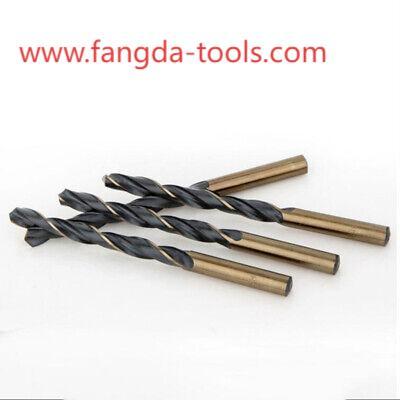
In modern manufacturing and repair environments, tool selection often shapes both workflow consistency and material handling efficiency. The combination of HSS Twist Drill Bit technology and the craftsmanship philosophy of fangda-tools reflects a practical approach to drilling tasks across workshops, maintenance stations, and fabrication lines. Rather than focusing only on speed, many...
The AI in Genomics Market is on an impressive growth trajectory, and understanding the key drivers behind this expansion is essential for stakeholders across the healthcare and biotechnology spectrum. Several factors are converging to create a thriving market for AI-driven genomic solutions. From the rising demand for personalized medicine to increased investment in genomic research and...

Мы особенное внимание уделяем разумеется 2 ключевым направлениям: инфузионному лечению, а кроме этого ультразвуковому обследованию. А почему? Данные способы помогают точно распознать проблему, а кроме этого разработать решение, которое идеальным образом подойдет для клиентов. Инфузионная терапия На текущий день главное направление клиники лечения МедОсь. На основе данных, медик способен...
Melyek a leggyakoribb bónusz típusok az online kaszinókban? Az online kaszinók világa egyre népszerűbbé válik, hiszen a játékosok számára számos előnyt kínál, többek között kényelmet, változatos játéklehetőségeket és vonzó...

Examining the global drag chain for machine market, covering regional dynamics across key industrial regions, growth opportunities driven by automation adoption and manufacturing expansion, and the future outlook through 2035. The Drag Chain For Machine Market represents the comprehensive landscape of global cable management innovations, providing essential technologies that enable organized,...