Chemical Flow Control with Globe Valve Design
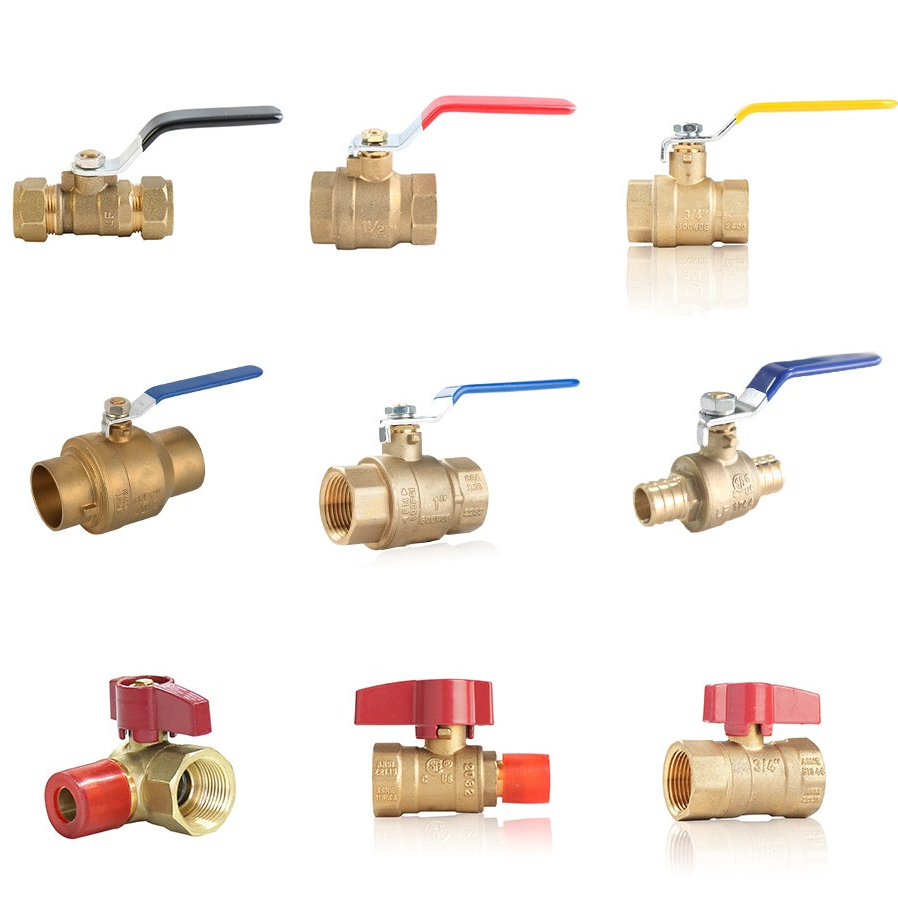
Chemical processing systems demand strict control over flow stability, sealing performance, and material resistance. The Internal Thread Globe Valve is widely adopted in these environments because it combines compact installation design with precise throttling capability and corrosion-resistant construction options.
Unlike quarter-turn valves, globe valves use linear motion where a disc moves vertically against a seat. This structure allows controlled modulation of flow, which is essential in dosing systems, reagent pipelines, and chemical blending operations.
Material Selection for Chemical Resistance
In chemical applications, material compatibility is critical. The Internal Thread Globe Valve is commonly manufactured using:
Stainless steel 304 / 316 / 316L
CF8 / CF8M cast stainless steel
PTFE or graphite sealing systems
Optional alloy upgrades for aggressive media
Typical technical parameters include:
Pressure rating: PN16 to PN40 (1.6–4.0 MPa)
Temperature range: -20°C to 200°C (higher with metal seals)
Size range: DN6–DN50
Thread standards: NPT, BSP, BSPT internal threads
Leakage class: tight shutoff depending on seat structure
These parameters make the valve suitable for acids, alkalis, salts, and solvent-based media in controlled environments.
Flow Regulation Behavior in Chemical Dosing
Chemical systems often require micro-adjustments in flow rate. The Internal Thread Globe Valve provides stable throttling because its disc travel is proportional to handwheel rotation.
The internal flow path includes directional changes, which increases resistance but improves accuracy. This characteristic is useful in dosing pipelines where sudden flow variation could affect reaction quality.
Common applications include:
Acid and alkali dosing lines
Laboratory-scale chemical transfer systems
Cooling chemical circulation loops
Industrial mixing feed pipelines
Structural Advantages in Compact Installations
Internal threaded connection allows direct mounting into pipeline fittings without welding. This reduces installation complexity in chemical plants where corrosion-sensitive joints must be minimized.
Key structural benefits include:
Compact body design for tight layouts
Easy replacement in modular systems
Reduced welding-related corrosion risks
Maintenance access without full pipeline disassembly
The bonnet structure is typically threaded and sealed with PTFE gaskets to prevent chemical leakage under pressure.
Operational Reliability in Harsh Media
Chemical environments can cause rapid wear if sealing materials are not properly selected. The Internal Thread Globe Valve uses reinforced stem sealing systems to prevent leakage along the spindle.
Typical stem designs include:
Rising stem for visible position feedback
Precision-machined stainless steel spindle
Anti-corrosion surface treatment
Packing materials such as PTFE or flexible graphite provide chemical resistance while maintaining long service cycles.
System Design Considerations
When integrating this valve into chemical pipelines, engineers typically evaluate:
Compatibility between fluid and valve body material
Pressure loss across the valve
Required throttling accuracy
Temperature fluctuations during reaction processes
Although globe valves introduce moderate pressure drop, their control precision makes them suitable for regulated chemical environments.
Categorie
Leggi tutto
Examining the rice milling market, covering global market dynamics, regional insights including Asia-Pacific, North America, and Europe, key players including Buhler, Satake, and Milltec, and the future outlook for rice milling equipment through 2035. The Rice Milling Market represents the comprehensive landscape of global grain processing innovations, providing essential machinery that enables...

The tax incentive may bring production home, but this does mean studios will invest any more than they are now in talents fashion. Otherwise my stylist will have to steam it while it's on me. This is nothing new, a representative for the department store Its buyers have only ever traveled to NYFW once a year, as most of the brands available at show in Paris, Milan, and London, rather than New...

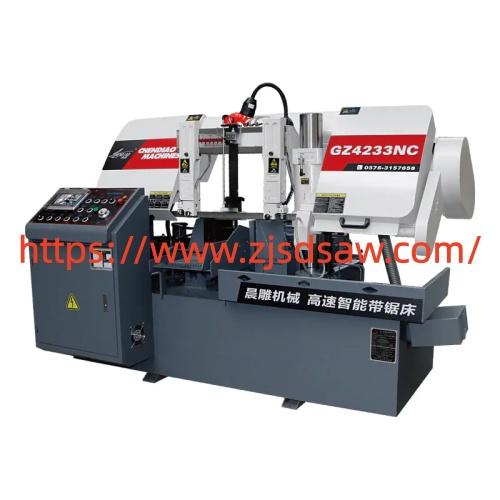
Fully Automatic Metal Cutting Band Saw Machine selection should start with the actual requirements of your workshop. Before discussing specifications with a manufacturer, buyers should identify the materials being processed, common stock dimensions, required cut lengths, daily workload, available floor space, and expected operating schedule. These details create a practical foundation for...
The Europe BESS market is a key enabler of energy independence and grid flexibility, empowering consumers and utilities to manage energy more effectively. According to Market Research Future, battery energy storage systems are becoming a cornerstone of the modern energy system, providing the flexibility needed to balance supply and demand, integrate renewables, and enhance grid resilience....

Οι νέές μορφές ψυχαγωγίας και η σύγκλιση του διαδικτυακού τζόγου με την...