


How Is Biomass Steam Boiler Designed?
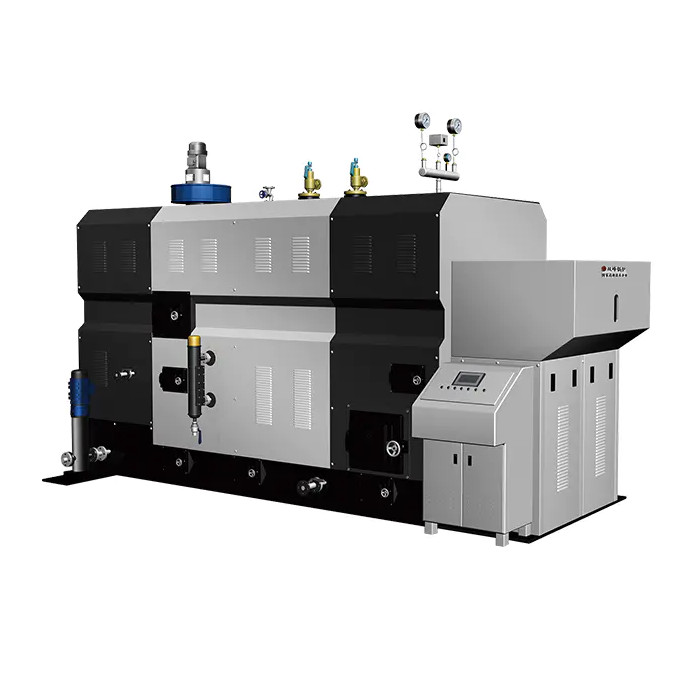
A Biomass Steam Boiler is an industrial system that converts solid organic fuels into steam through controlled combustion and heat exchange. Output performance depends on furnace structure, fuel characteristics, and heat transfer efficiency across the system.
Industrial configurations typically range from 1 ton/h to 25 ton/h steam capacity, with working pressures between 1.0 MPa and 2.5 MPa depending on application requirements. These parameters directly influence steam availability for production lines such as food processing, textile dyeing, and drying systems.
Fuel Condition and Combustion Behavior
Fuel quality plays a major role in boiler output stability. Biomass fuels such as wood chips, rice husks, and pellets vary in:
Moisture content
Particle size distribution
Volatile matter percentage
Ash formation tendency
Moisture above 20% reduces combustion temperature and increases fuel consumption. Stable combustion requires balanced air supply and uniform fuel feeding through screw feeders or chain grate systems.
Furnace Structure and Heat Release
Inside the furnace, combustion occurs in layered zones:
Drying zone removes moisture
Pyrolysis releases combustible gases
Gas combustion produces high-temperature flame
Char combustion completes energy release
This staged process allows continuous heat generation, which is transferred to water walls and boiler tubes.
Typical furnace temperatures range between 800°C and 1100°C depending on fuel type and load conditions.
Steam Generation System
Heat energy is absorbed by water circulating in membrane walls and tube bundles. Steam is separated in the drum and can reach:
Pressure: 1.25–2.5 MPa
Temperature: 194°C to 226°C
Steam dryness fraction: above 0.95 in stable operation
These values ensure consistent thermal energy delivery for industrial processes.
Heat Recovery and Efficiency Support
Flue gas still contains significant thermal energy after combustion. Systems such as economizers and air preheaters recover this energy to:
Preheat feedwater
Improve combustion air temperature
Reduce exhaust gas losses
Exhaust temperatures are often controlled between 150°C and 180°C for balanced efficiency and safety.
Operational Stability Factors
Key variables affecting output include:
Fuel feeding speed consistency
Air-fuel ratio control
Ash discharge efficiency
Heat exchange surface cleanliness
Even minor disruptions in fuel supply can impact steam pressure stability in production systems.
Conclusion
A Biomass Steam Boiler depends on coordinated combustion control, heat transfer design, and fuel stability. Output performance is closely linked to furnace conditions, making operational control essential for maintaining steady industrial steam supply.
Categorie
Leggi tutto
Trolley Luggage With TSA Lock is designed to meet different travel requirements by combining organized storage with a security feature that supports international journeys. Choosing the right travel product depends on factors such as trip duration, transportation methods, personal packing habits, and the environments where it will be used. Modern travelers often look for products that balance...

The Musical Instruments Industry is undergoing significant transformation, driven by digital innovation, sustainability concerns, and changing consumer behaviors. According to a Musical Instruments Industry analysis, key trends include the integration of AI and smart features, the rise of IoT-enabled instruments, and a focus on sustainable sourcing. These trends are...

Rooftop Tent Wholesaler selection becomes more important when buyers need products that can serve different vehicle models and customer groups. SUVs, pickups, crossovers, and off road vehicles can have different roof structures, rack systems, load ratings, and available mounting space. A suitable sourcing process should therefore begin with vehicle compatibility rather than product...

The Powered Lawn Mower Market represents the comprehensive landscape of lawn maintenance innovations, providing essential technologies that enable efficient, convenient, and sustainable grass cutting through integrated systems of electric mowers, gasoline-powered equipment, battery-operated models, self-propelled designs, and walk-behind units engineered for maximum cutting performance,...

The global Deposition Precursors (TEOS, TDMAT, TiCl4) Market was valued at USD 1.85 billion in 2025 and is projected to grow from USD 2.01 billion in 2026 to USD 3.78 billion by 2034, exhibiting a CAGR of 8.2% during the forecast period. This growth is detailed in a comprehensive new report published by Semiconductor Insight. The study highlights the critical role of specialized deposition...