


How Is Biomass Steam Boiler Designed?
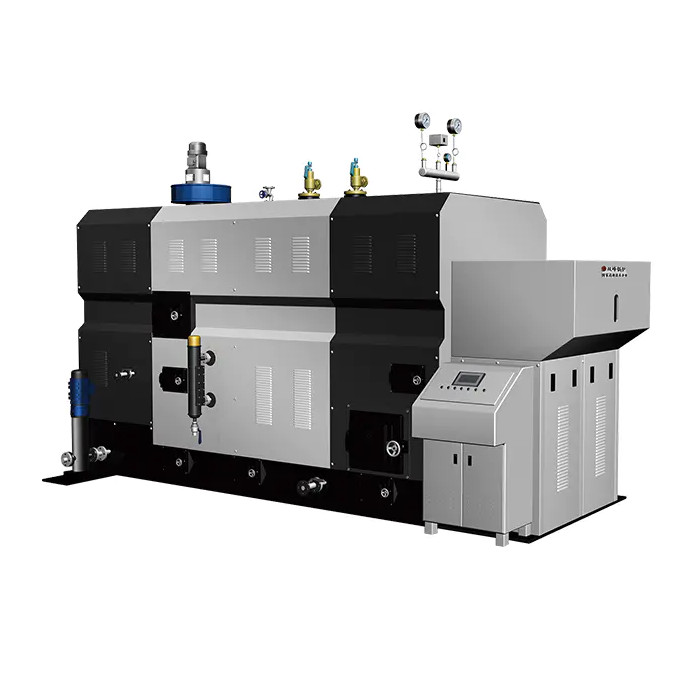
A Biomass Steam Boiler is an industrial system that converts solid organic fuels into steam through controlled combustion and heat exchange. Output performance depends on furnace structure, fuel characteristics, and heat transfer efficiency across the system.
Industrial configurations typically range from 1 ton/h to 25 ton/h steam capacity, with working pressures between 1.0 MPa and 2.5 MPa depending on application requirements. These parameters directly influence steam availability for production lines such as food processing, textile dyeing, and drying systems.
Fuel Condition and Combustion Behavior
Fuel quality plays a major role in boiler output stability. Biomass fuels such as wood chips, rice husks, and pellets vary in:
Moisture content
Particle size distribution
Volatile matter percentage
Ash formation tendency
Moisture above 20% reduces combustion temperature and increases fuel consumption. Stable combustion requires balanced air supply and uniform fuel feeding through screw feeders or chain grate systems.
Furnace Structure and Heat Release
Inside the furnace, combustion occurs in layered zones:
Drying zone removes moisture
Pyrolysis releases combustible gases
Gas combustion produces high-temperature flame
Char combustion completes energy release
This staged process allows continuous heat generation, which is transferred to water walls and boiler tubes.
Typical furnace temperatures range between 800°C and 1100°C depending on fuel type and load conditions.
Steam Generation System
Heat energy is absorbed by water circulating in membrane walls and tube bundles. Steam is separated in the drum and can reach:
Pressure: 1.25–2.5 MPa
Temperature: 194°C to 226°C
Steam dryness fraction: above 0.95 in stable operation
These values ensure consistent thermal energy delivery for industrial processes.
Heat Recovery and Efficiency Support
Flue gas still contains significant thermal energy after combustion. Systems such as economizers and air preheaters recover this energy to:
Preheat feedwater
Improve combustion air temperature
Reduce exhaust gas losses
Exhaust temperatures are often controlled between 150°C and 180°C for balanced efficiency and safety.
Operational Stability Factors
Key variables affecting output include:
Fuel feeding speed consistency
Air-fuel ratio control
Ash discharge efficiency
Heat exchange surface cleanliness
Even minor disruptions in fuel supply can impact steam pressure stability in production systems.
Conclusion
A Biomass Steam Boiler depends on coordinated combustion control, heat transfer design, and fuel stability. Output performance is closely linked to furnace conditions, making operational control essential for maintaining steady industrial steam supply.
Κατηγορίες
Διαβάζω περισσότερα
For buyers comparing roofing suppliers, a reliable Chinese Roof Tiles Factory can provide more than finished products, offering production experience, material choices, specification flexibility, and project support in one place. A professional Chinese Roof Tiles Factory can also help customers evaluate different roofing solutions according to climate, building structure, appearance,...

In industrial and machining environments, the Safety Chuck from Cbbmachine provides a reliable method for holding workpieces securely while prioritizing operator safety. Its design ensures stable clamping and reduces the risk of accidental slippage, supporting both precision and protective handling during manufacturing processes. Reliable clamping is essential for both productivity and safety....

When selecting equipment for bottle production, understanding how a Pet Bottle Blowing Machine and a Semi Automatic Bottle Blowing Machine perform under different technical parameters becomes essential for consistent output. These machines may share similar core principles, but their specifications can significantly influence efficiency and product quality. Heating system...
A stranded vehicle on a dark highway creates immediate stress for any driver. Traditional first aid kits sit quietly in trunks, their contents aging unnoticed until an emergency arrives. A modern Roadside Car First Aid Kit Manufacturer changes this passive reality by embedding intelligent features directly into life-saving products. Yonoel has built production facilities meeting medical device...

The denim market is witnessing a notable upsurge in consumer appetite for high-end, meticulously crafted jeans and jackets, giving rise to a vibrant segment driven by Premium Denim Apparel. This category transcends basic utilitarian wear, emphasizing superior fabric quality, intricate detailing, artisanal washes, and exclusive designs that resonate with fashion-forward individuals. As per...