Structural Engineering in Modern Gift Box Production
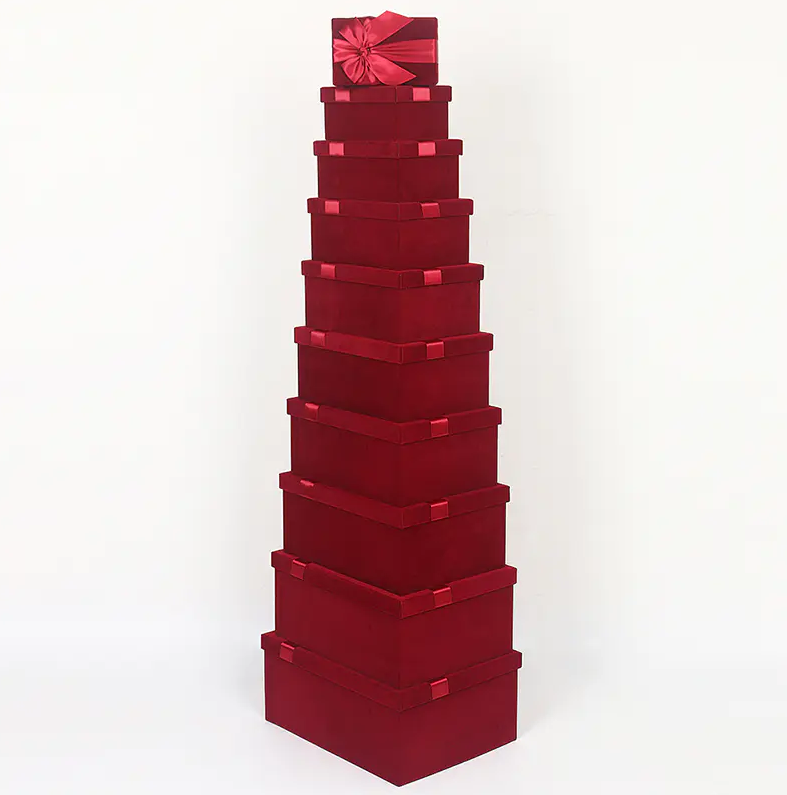
Behind every premium Gift Box is a combination of structural engineering, material selection, printing technology, and assembly precision. Modern packaging production has become increasingly technical because businesses expect packaging to provide product protection, visual branding, and efficient transportation performance at the same time. Industry packaging guides show that even small technical details can significantly influence the final packaging quality.
Rigid board thickness is one of the first technical specifications considered during packaging development. Many premium rigid boxes use greyboard between 1200 and 2000 gsm depending on product weight and required compression resistance. Thicker structures improve durability but may also increase shipping costs due to higher dimensional weight.
Precision cutting and folding accuracy are equally important. Packaging engineers often recommend V-grooved construction because it creates sharper edges and cleaner 90-degree corners compared with standard fold lines. This improves the visual appearance and structural stability of the finished packaging.
Tolerance control plays a major role in rigid packaging assembly. Lid-and-base rigid boxes require carefully controlled dimensional gaps to achieve smooth opening performance without excessive looseness or friction. Some packaging experts recommend tolerance gaps near 0.5 mm for premium slide-fit performance.
Magnetic closure packaging introduces additional technical requirements. Magnet polarity, positioning accuracy, and adhesive stability all affect closing consistency. Even small alignment variations may cause lid offset or weak closure performance.
Surface finishing methods also require specialized production processes. Matte lamination helps reduce glare and fingerprints, while soft-touch coatings create a velvet-like texture during handling. Spot UV coatings can add contrast by highlighting logos or graphics against matte surfaces. Foil stamping remains popular for metallic branding effects.
Printing accuracy has improved significantly with modern CMYK and Pantone color systems. Packaging manufacturers can now achieve highly consistent color reproduction across large production volumes. This is especially important for luxury packaging projects where brand color consistency directly affects presentation quality.
Protective insert engineering has also become more advanced. EVA foam, molded pulp, cardboard dividers, and satin-lined trays are designed according to exact product dimensions. Proper insert engineering minimizes product movement during shipping and reduces the risk of surface scratches or impact damage.
Sustainability requirements are influencing technical production standards as well. Many manufacturers now use recyclable paper materials, water-based adhesives, and eco-friendly coatings to meet environmental regulations and customer expectations.
Packaging has evolved far beyond simple storage functionality. Modern rigid packaging production combines engineering precision, material science, printing technology, and visual branding into one integrated manufacturing process. Businesses investing in carefully designed packaging structures often achieve stronger product presentation, better shipping protection, and improved customer interaction throughout the buying experience.
الأقسام
إقرأ المزيد
A comprehensive Lycopene market analysis reveals critical insights that can shape future investment and product development strategies. The market is currently witnessing a steady compound annual growth rate (CAGR) of 5.20%, with projections estimating the market size to reach USD 0.2756 billion by 2035. This growth trajectory reflects a rising consumer inclination towards natural health...

Lightweighting is becoming an important trend in the Corrugated Packaging Market as businesses seek to reduce material consumption, shipping costs, and environmental impacts. Manufacturers are developing packaging structures that provide sufficient strength while using less paper. The growth of e-commerce has made lightweighting particularly valuable. Large volumes of packages move through...
Examining the global Industrial Ultrasonic Device market, covering comprehensive solutions for precision processing, cleaning, welding, and non-destructive testing, key technologies including ultrasonic cleaners, sensors, testers, and welding machines, and the future outlook for industrial ultrasonic systems through 2035. The Global Industrial Ultrasonic Device Market represents the...
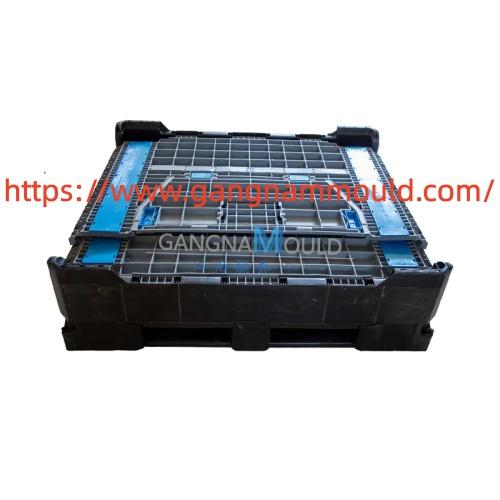
Logistic Pallet Mould selection involves several technical decisions that can affect product dimensions, structural performance, production efficiency, and maintenance requirements. Buyers should examine cavity construction, plastic resin compatibility, cooling design, ejection structure, machine conditions, expected output, and application requirements before confirming an order. A...
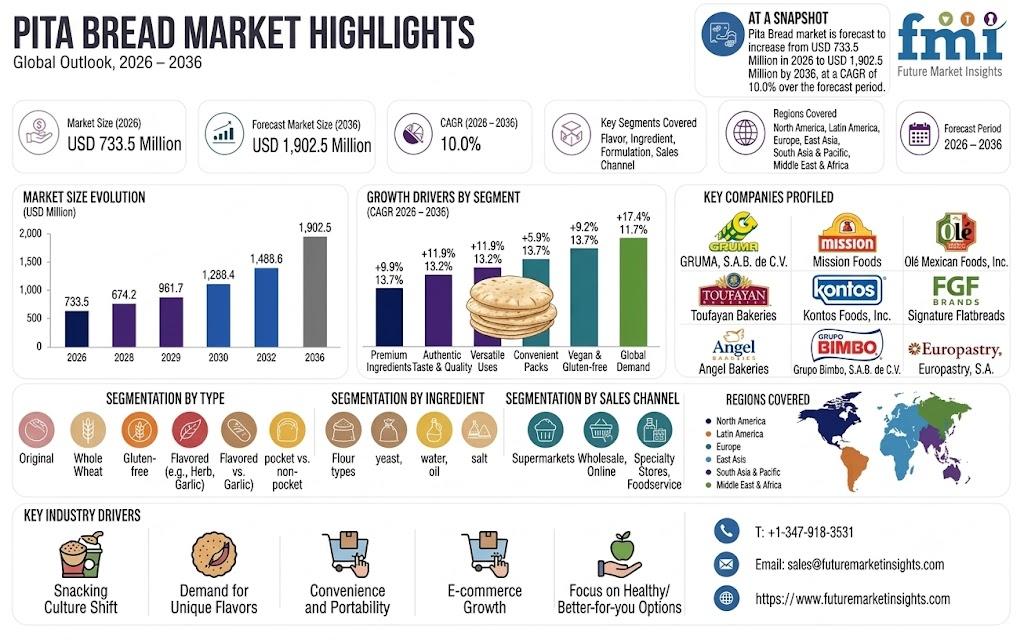
Pita Bread Market Classic-Original Pita Leads Product Demand at 37.0% The global pita bread market is forecast to increase from USD 733.5 million in 2026 to USD 1,902.5 million by 2036, expanding at a 10.0% CAGR during the 2026–2036 forecast period, according to Future Market Insights. Demand is expanding as restaurants, foodservice operators, retailers, and households increasingly use...