


How to Extend PVC Chair Service Life
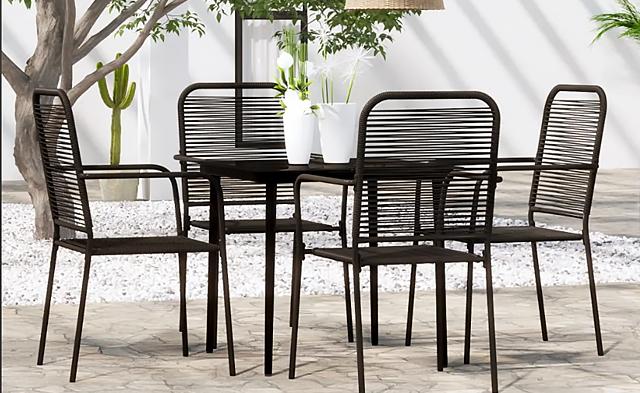
Outdoor furniture constantly faces rain, dust, UV radiation, and temperature changes. These environmental conditions gradually affect surface appearance and structural performance, especially in areas with strong sunlight or high humidity. Proper maintenance routines can significantly extend the lifespan of a PVC Chair used in patios, cafés, balconies, and garden seating areas.
One advantage of PVC-based furniture is moisture resistance. Unlike untreated wood products, PVC surfaces do not absorb large amounts of water, helping reduce swelling, mold growth, or corrosion problems. Outdoor furniture guides often describe synthetic seating materials as practical solutions for environments exposed to rain or humidity.
Routine cleaning is relatively simple. In many cases, manufacturers recommend:
Mild soap solution
Soft microfiber cloth
Low-pressure water rinse
Non-abrasive sponge
Dry storage during extreme weather
Strong chemical cleaners may damage protective surface layers over time. Some maintenance discussions also recommend avoiding prolonged exposure to direct heat sources because excessive temperatures can affect polymer stability.
UV exposure remains one of the biggest challenges for outdoor furniture. Long-term sunlight can gradually weaken polymers and cause fading or brittleness. Furniture experts frequently suggest selecting UV-stabilized materials and partially shaded placement areas to improve durability.
A quality outdoor PVC Chair may include technical protective features such as:
UV-resistant coating layer
Anti-fading pigment additives
Moisture-resistant surface density
Impact-resistant reinforced structure
Temperature tolerance from -20°C to 60°C
These characteristics help improve long-term outdoor performance.
Storage methods also influence furniture lifespan. During severe winter conditions or long rainy seasons, indoor storage can reduce unnecessary environmental stress. Stackable chair structures are particularly useful because they reduce storage space requirements.
Current outdoor living trends increasingly focus on comfort-oriented design. Rounded furniture shapes, neutral colors, and modular seating arrangements are becoming more popular in both residential and hospitality environments. Weather-resistant synthetic materials support these trends because they combine visual flexibility with practical maintenance advantages.
Online furniture discussions also emphasize that construction quality strongly affects product longevity. Chairs with reinforced joints, balanced weight distribution, and stable molding structures generally perform better over time compared with thin low-density products.
Maintenance costs are another important consideration for commercial buyers. Restaurants, hotels, and event venues often prefer furniture that minimizes repair requirements and reduces replacement frequency. Lightweight synthetic seating helps simplify daily cleaning and operational management.
Outdoor furniture continues evolving as users seek products that balance appearance, durability, and convenience. PVC seating remains widely used because it offers practical maintenance requirements, adaptable design possibilities, and reliable performance across multiple environments.
Categorie
Leggi tutto
Analiza rosnącej popularności gier mobilnych w kasynach online w 2026 roku: jak zmieniające się nawyki graczy wpływają na projektowanie gier i modele biznesowe W 2026 roku mobilne kasyna https://casinomaggico.pl/ online przeżywają prawdziwą rewolucję, napędzaną przez rosnącą popularność gier mobilnych. W miarę jak technologia staje się coraz bardziej zaawansowana, a smartfony zyskują nowe...

The Military and Defense Semiconductor Market is a global industry with distinct regional characteristics, shaped by local defense priorities, budgets, and industrial strategies. While North America holds the largest share, Europe is undergoing structural expansion, and Asia Pacific is a growing hub of demand. This article provides an in-depth analysis of these major regional...

The deployment of clean, efficient power for transportation, stationary, and portable applications is being advanced by drilling bits and proton exchange membrane fuel cells that convert hydrogen into electricity with high efficiency and zero emissions. According to Market Research Future, the Proton Exchange Membrane Fuel Cell Market is experiencing robust growth driven by transportation...

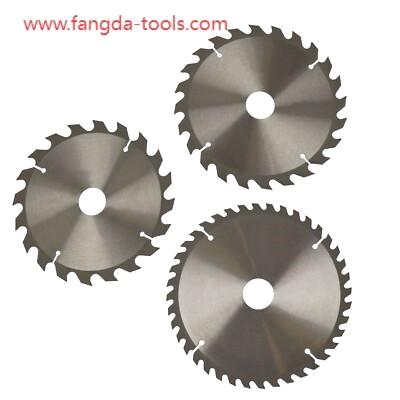
In modern cutting environments, the TCT Circular Saw Blade from fangda-tools reflects a practical approach to handling routine material processing with stability and control. It is designed to support users who require steady cutting performance across various tasks, without relying on overstated claims or unnecessary complexity. The structure of a circular saw blade plays a central role in...
Slippers and sandals where is everyone getting these amazing quality Hermes oran sandals, if you are looking for high quality Hermes sandals or Hermes h slippers we Firstmirror is your best choice here, we Firstmirror sandals and slippers from Hermes are designed as the same as authentic, even the material is the same comes with box and what you see are exactly what you will get. Will you...
