Can Hot Melt Adhesives Be Truly Eco-Friendly?
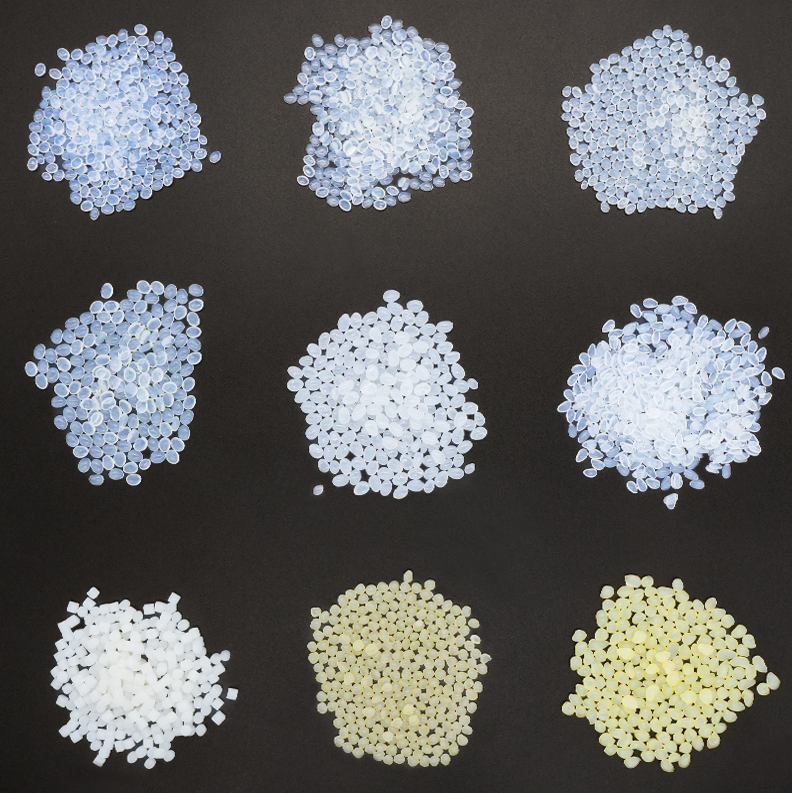
As regulations tighten on volatile organic compounds (VOCs), many industries are replacing solvent-based or water-based adhesives with hot melts. However, not all hot melts are equally sustainable. High Quality Hot Melt Adhesive offers 100% solids formulation (zero VOCs), lower energy consumption in application, and compatibility with recycling streams—but only if properly designed.
Environmental advantages of high quality hot melt:
Zero VOC content: Certified ≤0.01% residual monomers/solvents. Low-quality hot melts may contain unreacted styrene or mineral oil carriers (VOCs 0.5–1.5%).
Lower application temperature: Metallocene polyolefin grades apply at 120–140°C, reducing energy use by 20–30% compared to EVA (160–180°C).
Higher bonding efficiency: Apply 40–60% less adhesive weight per square meter vs. water-based acrylics for the same peel strength.
Recycling compatibility: High quality polyolefin hot melts (density ~0.91 g/cm³) float during plastic recycling wash steps; EVA or PA may sink or degrade.
Circular economy parameters:
Debonding on demand: Some high-end hot melts allow separation at controlled temperatures (e.g., 90°C) for package recycling.
Biobased content: Quality grades can contain >70% bio-renewable raw materials (tall oil rosin esters, polyols from vegetable oils) without sacrificing heat resistance.
Low carbon footprint per liter of adhesive: Premium adhesives often require less production energy due to optimized catalyst systems.
Waste and health considerations:
Reduced production waste: No pot life or cleaning solvent needed. Hot melt tanks purge with heat, not chemicals.
No hazardous air pollutants (HAPs): Unlike some reactive hot melts (PUR), standard high quality EVA/polyolefin hot melts contain no isocyanates or toxic stabilizers.
Packaging reduction: High quality adhesives often supplied in cardboard boxes (no plastic liners) or bulk tanker systems.
How to verify sustainability claims:
Request formulation details—avoid heavy metal catalysts (tin, lead) or nonylphenol ethoxylates.
Check MSDS for SVHC (substances of very high concern)—good hot melts have none.
Look for reduced smoke density during application (<5% obscuration at 200°C).
Choosing high quality hot melt adhesive is not only a performance upgrade but also an environmental statement. Lower application weight, longer equipment life, and full recyclability make it the responsible adhesive choice for modern industry.
Categorie
Leggi tutto
VK HR Tek - это единая модульная платформа от VK Tech, сотворенная для глубокой цифровизации кадрового делопроизводства и бесшовного передвижения профессиональных документов в цифровой формат. Интернет-сервис строго соответствует жизненным условиям Трудового кодекса РФ (ФЗ № 377, 407 и 311) и Минтруда, в том числе система КЭДО, что обеспечивает абсолютную правовую чистоту, ясность и...

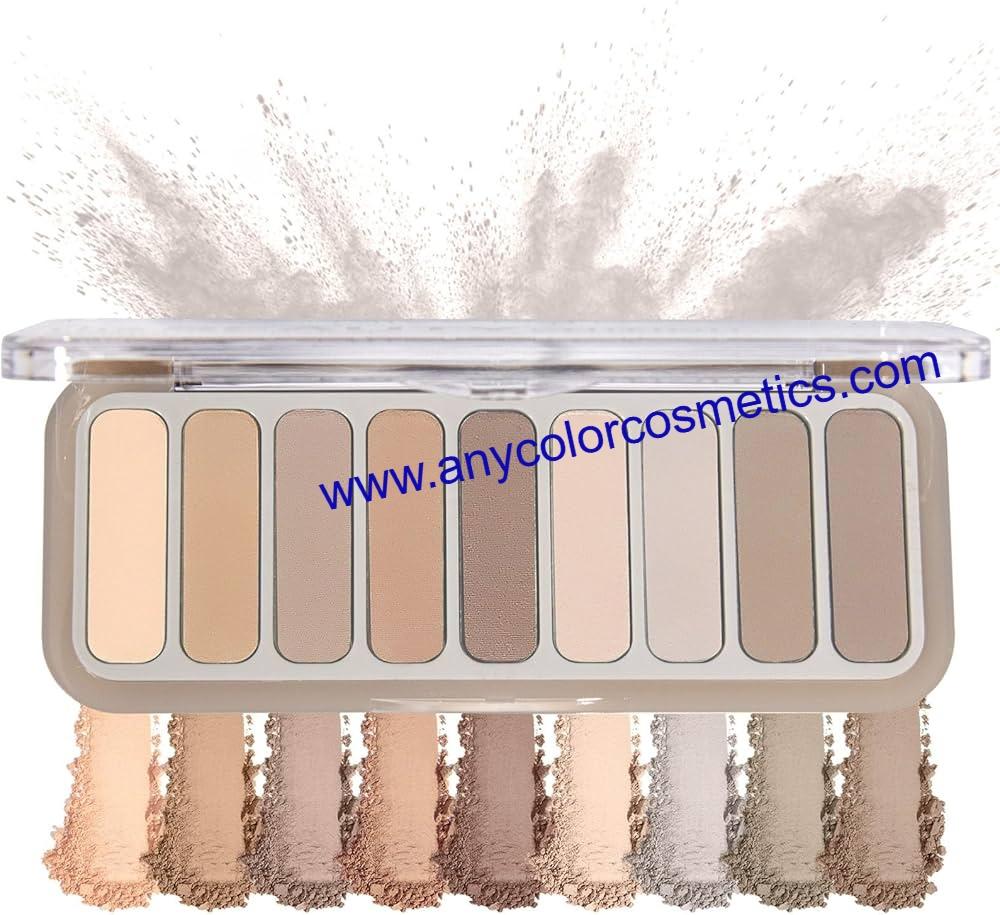
Why Is Matt Nude Eyeshadow a Timeless Choice for Everyday Makeup? Beauty preferences may evolve with changing fashion influences, seasonal inspiration, and individual creativity, yet certain cosmetic products continue maintaining their appeal across generations. Matt Nude Eyeshadow remains closely associated with refined beauty because it supports a wide variety of makeup styles while...
Quality and standardisation are critical issues in the Ayurvedic Manufacturing Market, as consumers and regulators demand products that are safe, effective, and consistent. Historically, Ayurvedic manufacturing relied on traditional methods that varied by practitioner and region. Today, manufacturers are adopting modern quality control processes, standardised extraction techniques, and rigorous...

The 3D Neuroscience Market report encompasses a gamut of drivers and inhibitors of the market that are analysed using both quantitative as well as qualitative approach to provide precise insights and information to users and readers alike about the research industry. The statistical data offered in this market research report is symbolized using graphs that make the understanding of figures and...
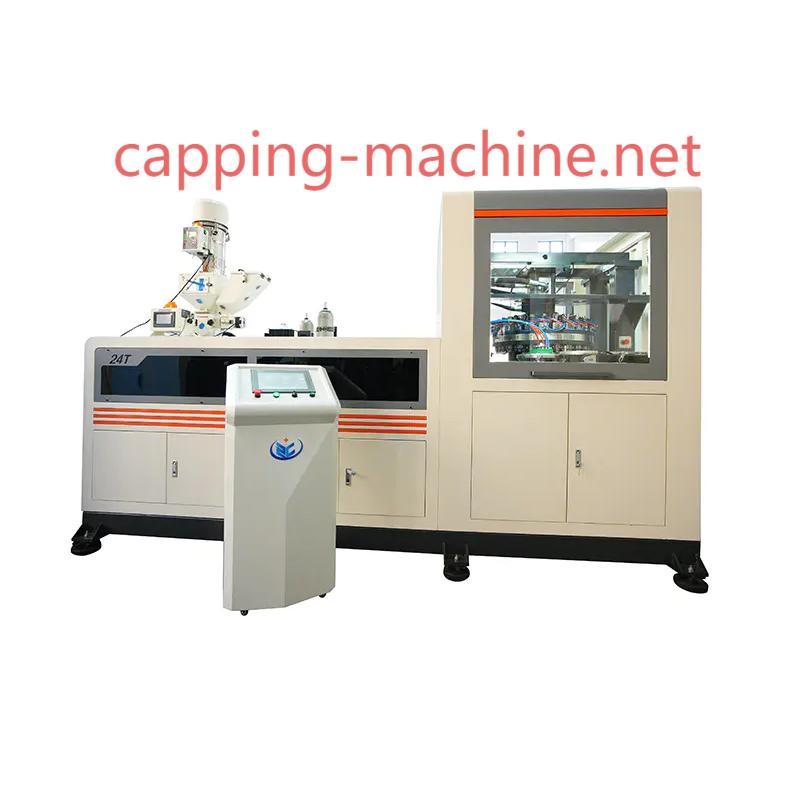
In the evolving world of packaging production, the Cap Compression Machine offered by Capping-Machine represents an innovative approach to closure manufacturing. Designed to meet the changing expectations of modern industries, this solution helps manufacturers pursue stable quality, efficient workflows, and adaptable production processes while responding to market demands with confidence....