


Skin-Detect Sensors Market to Reach USD 813.4 Million by 2034 as Non-Invasive Monitoring and Skin Analysis Expand

The growing demand for non-invasive monitoring and personalized skin assessment is creating opportunities for sensors that can measure characteristics of the skin. Skin-detect sensors are used to assess parameters such as hydration, elasticity, pH and temperature, supporting applications across medical diagnostics, cosmetic research and wearable health technologies.
According to Semiconductor Insight, the Skin-Detect Sensors Market is estimated at USD 265.0 million in 2025 and is expected to reach USD 813.4 million by 2034, progressing at a CAGR of 13.3% over the 2026–2034 forecast period. The market includes disposable skin-interfaced sensing patches, reusable optical and electrical skin probes, research-grade thermal instruments and related dermatological measurement devices.
Explore the complete Skin-Detect Sensors Market analysis:
https://semiconductorinsight.com/report/skin-detect-sensors-market/
Why Are Skin-Detect Sensors Becoming Important in Non-Invasive Monitoring?
Skin measurement technologies are gaining relevance as healthcare and cosmetic applications place greater emphasis on non-invasive assessment. Skin-detect sensors can measure selected skin characteristics and provide information for monitoring and analysis.
Depending on the sensing approach, these devices can assess hydration, elasticity, pH levels and temperature. Optical, electrochemical and thermal methods provide different ways to detect and measure skin-related parameters.
These capabilities are relevant to medical diagnostics, dermatological research and cosmetic applications. They can also support wearable health technologies that collect information through skin-interfaced devices.
The market is therefore connected to the broader development of non-invasive measurement systems and personalized skin assessment.
Demand for Non-Invasive Skin Monitoring Is Supporting Market Growth
One of the major factors influencing the Skin-Detect Sensors Market is the growing interest in non-invasive monitoring. Medical and cosmetic users are increasingly exploring technologies that can assess skin characteristics without relying entirely on conventional procedures.
Skin-detect sensors can provide measurements related to hydration, temperature, elasticity and other skin parameters. These measurements can support dermatological assessment and cosmetic research.
Wearable technology is also influencing market development. Skin-interfaced sensing devices can collect information close to the body and may support repeated monitoring in selected applications.
These developments are expanding the potential use of skin-detection technologies across healthcare, cosmetic and research environments.
Receive your Free Sample Report today:
https://semiconductorinsight.com/download-sample-report/?product_id=107696
Optical, Electrochemical and Thermal Technologies Are Supporting Product Development
Skin-detect sensors use different sensing technologies depending on the parameter being measured and the intended application.
Optical sensors can be used to assess skin characteristics through light-based measurement methods. Electrochemical sensors can detect selected chemical or biochemical indicators, while thermal sensors measure temperature-related changes.
Product design also varies according to whether the device is intended for disposable or reusable use. Disposable formats may be suitable for applications where hygiene and replacement are important, while reusable devices can support repeated measurement.
Continued development in sensing materials, miniaturization and electronic integration is influencing the range of products available in the market.
Medical and Cosmetic Applications Create Additional Demand
Medical applications represent an important area for skin-detect sensors. These devices can support the assessment of skin conditions and selected physiological parameters in healthcare and dermatological environments.
Cosmetic applications also contribute to demand. Skin measurement technologies can help assess characteristics such as hydration and elasticity, supporting skin analysis and personalized cosmetic evaluation.
Other applications include research and wearable health technologies where skin-related measurements can provide useful information.
These different use cases create demand for sensor products with varying requirements for accuracy, comfort, durability and measurement capability.
Disposable and Reusable Products Address Different Requirements
The market includes disposable and reusable skin-detection sensors. Disposable products can be suitable for applications where hygiene, single-use operation and replacement practices are important.
Reusable sensors can support repeated measurement and may be preferred in settings where devices are used regularly over an extended period.
Product selection depends on the intended application, measurement frequency, operating environment and cost considerations.
Manufacturers must balance sensing performance with skin compatibility, reliability, material selection and ease of use.
Measurement Accuracy and Skin Compatibility Remain Key Challenges
Skin-detect sensors must provide reliable readings while operating in direct contact with or near the skin. Factors such as perspiration, movement, environmental conditions and differences between users can influence measurement performance.
Material selection is another important consideration. Products designed for skin contact need to address comfort, durability and compatibility with the intended application.
Medical applications may require additional validation and regulatory review, while cosmetic and consumer products need reliable measurement methods and clear performance claims.
Manufacturers must address these challenges while developing practical, accurate and cost-effective sensing solutions.
Where Are the Biggest Opportunities Emerging?
Non-invasive medical monitoring represents an opportunity as healthcare providers and technology developers explore additional ways to assess skin-related parameters.
Cosmetic research and personalized skincare provide another area of potential demand. Skin measurements can support assessment and help inform product recommendations.
Wearable sensing and flexible electronics may also create opportunities for new product formats that support repeated measurement.
Further market development will depend on improvements in sensor accuracy, skin compatibility, miniaturization and integration with connected monitoring systems.
Skin-Detect Sensors Market Segmentation
The report evaluates the market by product type and application, reflecting the different formats and use cases of skin-detection technologies.
By type, the market is divided into:
-
Disposable Type
-
Reusable Type
By application, the market covers:
-
Medical
-
Cosmetic
-
Others
The technology landscape includes:
-
Optical Sensors
-
Electrochemical Sensors
-
Thermal Sensors
This segmentation reflects differences in product life cycle, measurement methods and application requirements across medical, cosmetic and other skin-monitoring environments.
View the complete Skin-Detect Sensors Market segmentation and forecast:
https://semiconductorinsight.com/report/skin-detect-sensors-market/
Regional Skin-Detect Sensors Market Outlook
North America represents an important market for skin-detection technologies, supported by healthcare technology development, medical research and demand for skin-analysis solutions.
Europe benefits from established medical-device, dermatological research and cosmetic industries. These sectors create demand for measurement technologies used in skin assessment and product development.
Asia-Pacific offers growth potential through expanding healthcare technology markets, electronics manufacturing and increasing interest in wearable and cosmetic technologies.
South America and the Middle East and Africa represent developing markets. Adoption is influenced by healthcare infrastructure, product affordability and access to specialized skin-assessment technologies.
Competitive Landscape and Key Companies
The Skin-Detect Sensors Market includes companies active in skin measurement, wearable diagnostics and specialized sensing technologies.
Miravex, ADInstruments, Moritex, Courage + Khazaka Electronic, Xsensio, Epicore Biosystems and Truer Medical, among others.
These participants address different parts of the market, including cosmetic measurement, physiological monitoring and wearable skin-sensing technologies. Product differentiation is influenced by measurement accuracy, sensor materials, device format and application-specific validation.
Competition is also shaped by research and development, partnerships, product portfolios and the ability to serve medical and cosmetic customers. The report evaluates company positioning and the wider competitive environment.
What Does the Skin-Detect Sensors Market Report Cover?
The Semiconductor Insight study provides analysis of market size, sales, revenue, competitive positioning, industry dynamics, segmentation and regional performance.
The report examines market drivers and restraints, disposable and reusable product formats, sensing technologies, non-invasive monitoring and cosmetic applications. It also evaluates challenges associated with sensor accuracy, skin compatibility, product reliability and adoption.
Coverage includes North America, Europe, Asia-Pacific, South America and the Middle East and Africa, together with analysis of market participants and competitive developments.
Key Questions Answered by the Study
The report helps industry participants evaluate questions including:
-
What is the current Skin-Detect Sensors Market size?
-
How large will the market become by 2034?
-
What is the expected CAGR during 2026–2034?
-
What parameters can skin-detect sensors measure?
-
What is the difference between disposable and reusable sensors?
-
Which applications are covered in the market?
-
What role do optical, electrochemical and thermal sensors play?
-
How is non-invasive monitoring influencing demand?
-
What technical challenges affect sensor accuracy?
-
Which regions represent important markets?
-
Who are the leading Skin-Detect Sensors manufacturers?
-
What technology developments are shaping competition?
Explore the full Skin-Detect Sensors Market forecast and competitive analysis:
https://semiconductorinsight.com/report/skin-detect-sensors-market/
Get a Sample Report copy for free:
https://semiconductorinsight.com/download-sample-report/?product_id=107696
About Semiconductor Insight
Semiconductor Insight provides market intelligence and industry research covering semiconductor technologies, electronic components, advanced manufacturing systems and related technology markets. Its research focuses on market sizing, forecasting, competitive landscapes, technology trends, segmentation and regional analysis to support strategic decision-making across the semiconductor ecosystem.
Contact Semiconductor Insight
Website: www.semiconductorinsight.com
Κατηγορίες
Διαβάζω περισσότερα
NEWARK, Del., October 28, 2026 — The global dehydrated vegetables market is gaining momentum as food manufacturers, ingredient processors, and foodservice businesses increasingly rely on shelf-stable vegetable ingredients for soups, sauces, seasonings, ready meals, and packaged food products. Growing demand for convenient food preparation, longer ingredient shelf life, and consistent...

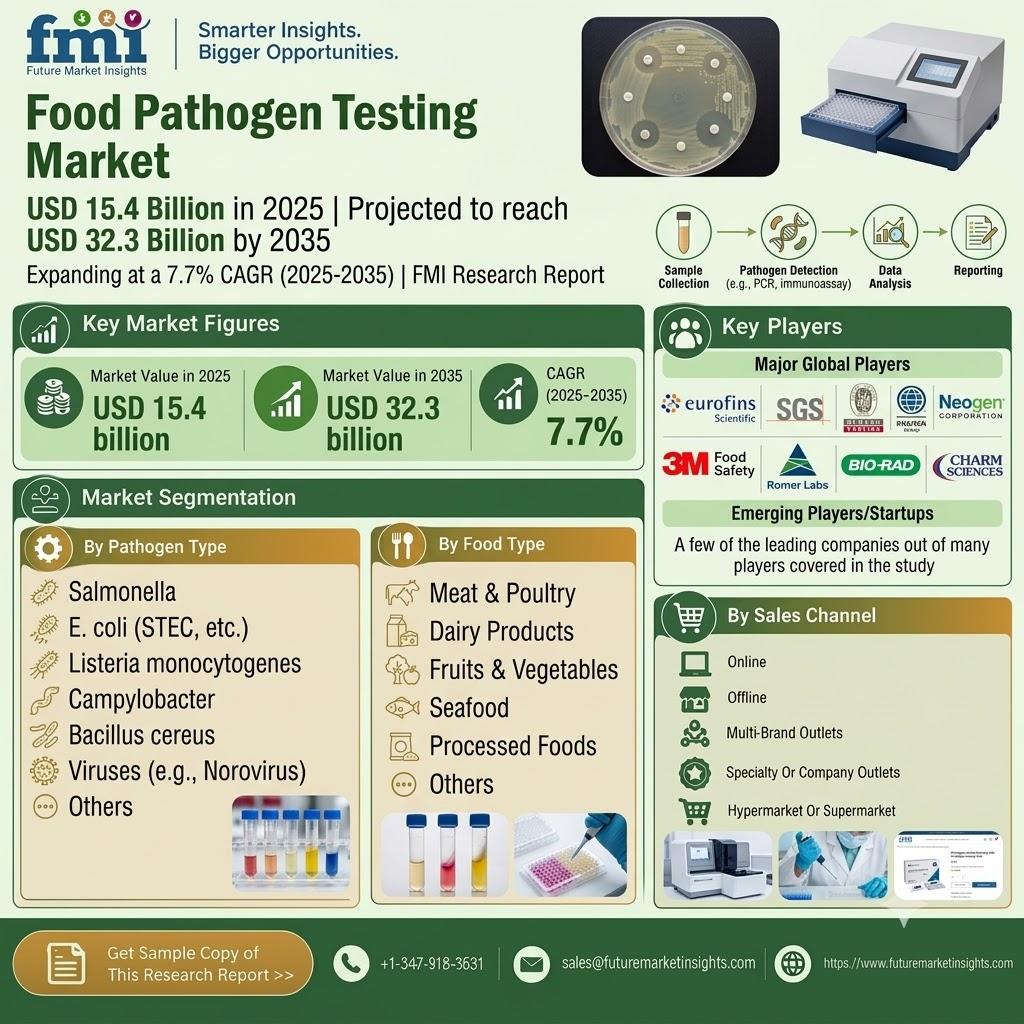
Food Pathogen Testing Market Poultry Lead Application Demand — By FMI Syndicated, Customized FMI Report News NEWARK, Del., October 13, 2026. — The global Food Pathogen Testing Market was valued at USD 15.4 billion in 2025 and is projected to reach USD 32.3 billion by 2035, expanding at a CAGR of 7.7% from 2025 to 2035, according to Future Market Insights (FMI). The growth outlook is...
На новостном сайте «Вестник СФЗО» Татьяна Ларина раскрывает историю производителя приборов для измерений «Восток-7»: предприятие задолжало государству 100 млн рублей и старается перебросить активы в новое ООО, созданную под родственника. Схема стара как мир: новое юрлицо, перевод имущества и прав, старое — на банкротство. Но когда задолженность перед бюджетом...

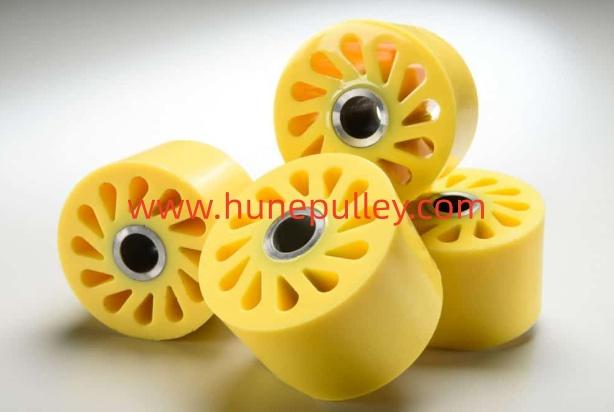
A sliding door is more than a movable panel; it is a functional part of furniture, interior partitions, and architectural spaces. Its movement depends on the coordination of several hardware components, making a carefully developed Sliding Door Roller Assembly from Hunepulley an important consideration for furniture manufacturers and hardware distributors. From wheel construction to mounting...
The convergence of water management and energy generation has created significant opportunities for in pipe energy generation , enabling utilities and industries to produce clean electricity from existing water infrastructure. According to Market Research Future, the In-Pipe Hydro System Market was valued at $2.22 billion in 2024, with projections reaching $3.51 billion by 2035. This...
