Content Disarm Reconstruction Market Overview: Competitive Landscape Assessment
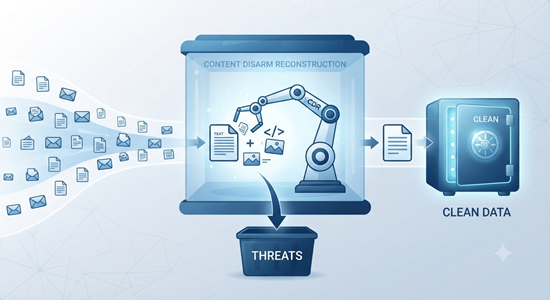
The Content Disarm Reconstruction Market Overview reveals a dynamic competitive environment featuring established cybersecurity vendors, specialized technology providers, and emerging platforms competing across diverse segments and deployment models. This comprehensive overview examines the key factors shaping competitive dynamics, including vendor strategies, technology developments, and market trends that influence positioning and success. Understanding the competitive landscape provides essential insights for stakeholders evaluating technology partnerships, investment opportunities, or competitive positioning within the cybersecurity technology sector. The market continues to mature while simultaneously experiencing significant innovation, creating both challenges and opportunities for established players and new entrants alike.
Established Cybersecurity Vendors Shaping Market Dynamics
Major cybersecurity vendors including Forcepoint, Symantec, McAfee, Check Point Software Technologies, Palo Alto Networks, and Trend Micro have established substantial positions within the content disarm and reconstruction market, leveraging comprehensive security portfolios, enterprise relationships, and integration with broader security platforms. These industry leaders offer content disarm and reconstruction capabilities as components of integrated security suites that address multiple threat vectors and protection requirements. Their scale and resources support continuous investment in threat research, product development, and customer support. Integration with email security, endpoint protection, and network security creates comprehensive solutions that appeal to organizations seeking consolidated vendor relationships. These established players shape market standards and competitive dynamics, though they face challenges from specialized competitors offering deeper functionality.
Specialized Providers Competing on Depth and Performance
Specialized content disarm and reconstruction vendors compete effectively by offering deeper functionality, superior performance, and innovative capabilities that address specific organizational requirements. These vendors focus exclusively on file sanitization challenges, developing expertise that enables them to address complex scenarios that general-purpose platforms may not handle effectively. High-performance reconstruction pipelines minimize latency and maintain user productivity while neutralizing threats. Advanced capabilities including content extraction and metadata analysis provide value beyond basic threat neutralization. Integration capabilities with major email and collaboration platforms enable specialized vendors to complement rather than replace broader security investments. Their success demonstrates that depth of functionality and performance excellence remain powerful competitive differentiators.
Cloud-Native Entrants Reshaping Delivery Models
Cloud-native entrants are reshaping delivery models within the content disarm and reconstruction market, offering API-based services that integrate into applications and workflows without requiring dedicated infrastructure. These platforms provide programmatic access to reconstruction capabilities that developers can embed in custom applications and automated workflows. Consumption-based pricing aligns costs with actual usage, appealing to organizations seeking cost efficiency. Rapid deployment capabilities enable organizations to implement protection without lengthy procurement and installation processes. These cloud-native approaches address requirements from organizations seeking flexible, scalable security capabilities that integrate with modern cloud architectures and development practices.
Future Competitive Landscape and Strategic Outlook
The future competitive landscape of the content disarm and reconstruction market appears dynamic and evolving, with multiple factors likely to influence vendor positioning and market outcomes. Continued consolidation may occur as larger security vendors acquire specialized capabilities to expand functionality and address specific market segments. Artificial intelligence and machine learning will increasingly differentiate offerings, with vendors competing on the sophistication of their threat detection and content analysis capabilities. Integration with broader security ecosystems will become increasingly important as organizations seek unified visibility and control. Stakeholders should monitor these evolving dynamics carefully to identify opportunities and anticipate potential challenges in the transforming market.
➤ Latest Market Intelligence from Market Research Future:
North America Humanoid Robots Market
Categorias
Leia Mais
Examining the global Industrial Machinery & Equipment Wholesaling market, covering comprehensive solutions for industrial supply chain distribution, key product categories including construction, agricultural, and mining equipment, and the future outlook for machinery distribution services through 2035. The Global Industrial Machinery & Equipment Wholesaling Market represents the...

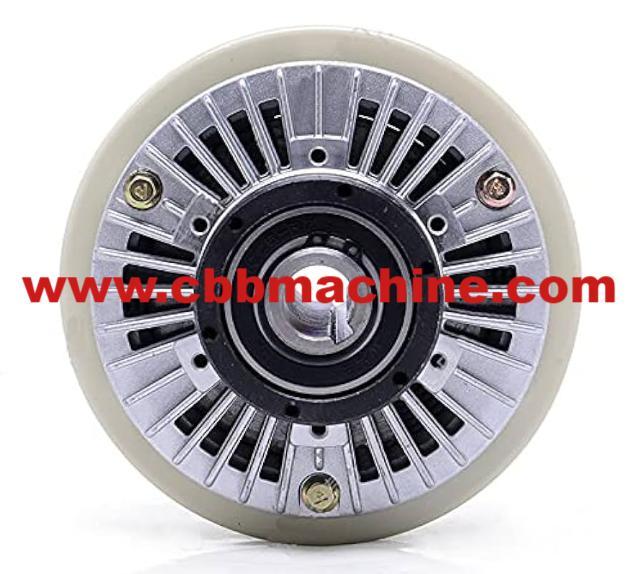
In industrial machinery, controlling rotational resistance is an important part of maintaining orderly production processes. A Magnetic Powder Brake offers a practical approach to torque control through magnetic powder technology, while Cbbmachine focuses on providing mechanical transmission and tension control components for industrial applications. This type of equipment is particularly...
Below 8.5 winsI put on't including the Utes this time. There's thus considerably fresh in just Salt Lake Town that it's shifting in direction of have an affect on their electric power toward earn video 's greatest profitable prepare in just software background is at the moment teaching at Michigan, When his alternative-within just-ready eventually becomes the chance towards teach his alma...

A roof can turn an ordinary building into a place with a distinctive personality. For developers and homeowners exploring traditional-inspired architecture, Chinese-style Roofing Materials offer creative design possibilities, while Decorative Chinese Roof Tiles can help bring cultural details into modern construction. Choosing the right combination involves more than matching colors; roof...

According to Market Research Future, the self balancing scooter market size reflects a category that peaked in consumer attention then settled into a smaller, more regulated niche, with demand now concentrated in recreational and short-distance personal transport applications. What Drives the Market Self balancing scooter demand comes from recreational users and short-distance transport...