What Should Buyers Review Before Buying from gusumachinery?
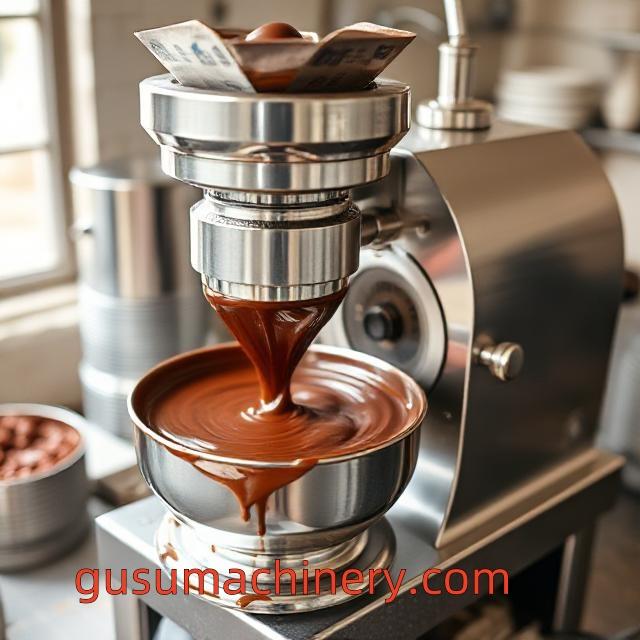
Chocolate Depositor selection involves more than comparing machine prices or checking the rated production speed. Buyers need to consider how the equipment will work with their recipes, product dimensions, factory layout, and daily manufacturing schedule. A machine that looks suitable on a specification sheet may still require adjustments before it can operate smoothly in an actual production environment. A careful evaluation helps purchasing teams identify suitable configurations and reduce unexpected changes after installation.
Define the Products You Intend to Manufacture
Start with the finished product rather than the machine model. Different confectionery items may require different depositing patterns, dimensions, and portion weights. For example, small drops, button-shaped pieces, and other granular products can have different forming requirements.
Prepare a product specification sheet before contacting equipment suppliers. Include the expected shape, approximate weight, diameter, thickness, and acceptable variation for each item. If your factory plans to manufacture several product types, ask whether the equipment can accommodate different dispensing plates or forming components.
The QDJ series offered by gusumachinery is designed to produce small confectionery pieces with different shapes and weights. Its dispensing plate can be changed to suit different product requirements. This configuration is worth discussing when a factory needs flexibility across several product specifications.
Match the Machine Capacity to Actual Demand
Production capacity should be evaluated against both current orders and realistic future demand. Purchasing equipment with insufficient capacity can create scheduling pressure, while excessive capacity may increase investment and operating expenses without providing practical value.
Ask suppliers to explain how their stated output figures are calculated. Check the operating cycle, conveyor width, product dimensions, and expected working hours behind the quoted figures. It is also useful to request a production trial using a sample of your intended product.
For example, the QDJ models listed by gusumachinery include conveyor belt widths of 600, 800, 1000, and 1200 mm. The published drop frequency is 12–15 times per minute. Buyers should compare these specifications with their required output and the available space in the factory rather than selecting a model by size alone.
Examine the Forming and Dispensing Components
The dispensing system has a direct influence on product appearance and portion consistency. Buyers should understand how the material is delivered, how the dispensing components are adjusted, and which parts need to be changed when switching product specifications.
Ask the supplier to demonstrate the forming process with material similar to your own recipe. Observe whether the deposited pieces maintain the intended shape and whether the equipment can handle the required production rhythm.
It is also useful to confirm the availability and replacement procedure for dispensing plates, rollers, seals, and other components subject to regular use. Clear information about these parts can help the maintenance team prepare for routine servicing and product changeovers.
Check Temperature and Cooling Arrangements
The properties of confectionery mixtures can change with temperature, so the conditions before and after depositing deserve attention. Buyers should review how the equipment receives prepared material and how the deposited pieces move toward the cooling stage.
For a production line that includes a conveyor and cooling tunnel, the speed of each section needs to be coordinated. If the depositing stage runs faster than the cooling section can handle, material may accumulate and interrupt the workflow. If the cooling arrangement is unsuitable, the finished pieces may not reach the required condition at the expected time.
Discuss the operating temperature range, cooling tunnel dimensions, conveyor speed adjustment, and connection points with the supplier. These details help determine whether the proposed configuration can fit the factory's production environment.
Evaluate Cleaning, Maintenance, and Operator Access
Daily maintenance affects equipment availability and production planning. Before placing an order, ask which product-contact components can be removed for cleaning and how operators can access areas that require regular inspection.
A practical demonstration can reveal details that a brochure may not explain. Check the time needed for routine cleaning, the tools required for component removal, and the instructions supplied for reassembly. Buyers should also ask about recommended inspection intervals and the expected service life of frequently used parts.
Operator training deserves attention as well. The control panel should allow staff to understand the main settings and follow a consistent operating procedure. Clear manuals, wiring diagrams, and troubleshooting guidance can make equipment handover easier for the production team.
Review Factory Layout and Complete Project Costs
A machine must fit the available production area and connect with the equipment around it. Measure the installation space, ceiling clearance, access routes, electrical supply, and floor conditions before confirming the order.
Request a layout drawing that shows the machine dimensions and the space needed for operation and maintenance. Discuss whether additional conveyors, cooling equipment, or supporting machinery are required. This helps purchasing teams estimate the complete project cost rather than focusing only on the equipment quotation.
Freight, installation, operator training, spare parts, and after-sales service should also be included in the budget. Ask the supplier to clarify what is covered in the quotation and which items may involve additional charges.
Confirm Technical Communication and After-Sales Support
A purchasing decision should include a clear service arrangement. Buyers need to know how technical questions will be handled, how replacement parts can be ordered, and what information is required when reporting an operating issue.
Before ordering, provide the supplier with product samples, target output, factory conditions, and preferred production arrangements. Request a written confirmation of the agreed machine configuration and technical requirements. This creates a shared reference for manufacturing, inspection, delivery, and installation.For manufacturers evaluating equipment for small confectionery pieces, gusumachinery provides QDJ series options with different conveyor widths and interchangeable dispensing plates. Buyers can review the product details at https://www.gusumachinery.com/ and discuss their application, factory layout, and output targets directly. A clear exchange of technical information before ordering helps both sides prepare a machine configuration that fits the intended production work.
Категории
Больше
The Vegetable Fats Market is witnessing significant growth as consumers increasingly embrace plant-based food choices and manufacturers continue investing in innovative ingredient solutions. Vegetable fats have become an essential component across multiple food applications because they offer excellent functionality, versatility, and compatibility with evolving consumer preferences. From bakery...

Die Bike Helmet Industrie erlebt bedeutende Innovationen, die durch die Nachfrage nach erhöhter Sicherheit, verbessertem Komfort und smarter Technologie vorangetrieben werden. Laut einer Bike Helmet Industrie Analyse verändern Trends wie die Integration von MIPS, die Entwicklung von leichteren und widerstandsfähigeren Materialien sowie smarte Helme mit...

Hollow Knight: Silksong is packed with side quests that test your patience, and the Volatile Flintbeetles Wish is one of the most memorable. This quest sends players on a hunt for three explosive bugs hidden in the Marrow, and while it isn't a boss fight, the Flintbeetles themselves fight like they've got something to prove. As of 2026, players still swap stories about their first encounter...
What Should Breweries Consider When Choosing Bottles For Beer And Coffee? Selecting suitable beverage containers involves much more than choosing an attractive shape. Breweries, coffee companies, cafes, hospitality businesses, and private-label brands often need products that match the character of their drinks while fitting storage, transport, serving, and daily use requirements. When...
Strix Thermostat Switch selection requires buyers to examine more than the component name or appearance. For electric kettle manufacturers, appliance brands, and international distributors, the purchasing process should begin with the intended application and the technical conditions inside the appliance. Temperature response, steam detection, electrical ratings, mounting structure, and...