Nickel Copper Brake Line Market Size: Lightweighting and Safety Drive Demand
Research suggests that the Nickel Copper Brake Line Market Size is on a steady growth path, with the market estimated at USD 1.53 billion in 2023 and projected to reach USD 2.2 billion by 2032 at a CAGR of approximately 4.13%. This expansion is driven by growing vehicle production particularly in emerging markets, stricter safety standards, the growing popularity of electric vehicles, and material and manufacturing advances that make lines stronger and more reliable.
Lightweighting Demand
The global automotive industry is undergoing significant transformation driven by growing demand for lightweight and fuel-efficient vehicles, a trend driven by rising fuel prices, stricter emissions regulations, and growing consumer awareness of environmental issues. Nickel copper brake lines are an essential component of lightweight vehicles because they are lighter, more corrosion resistant, and have a longer service life than traditional steel lines, making them ideal for vehicles designed to be more fuel efficient and environmentally friendly. As demand for lightweight and efficient vehicles continues to grow, demand for nickel copper brake lines is expected to increase.
ADAS and Braking Precision
Growing adoption of ADAS is another key driver. Features including automatic emergency braking, adaptive cruise control, and lane departure warning require precise and reliable braking performance, and nickel copper brake lines offer reduced weight, better corrosion resistance, and longer service life. As ADAS adoption grows, demand is expected to increase, and this matters because automated braking systems actuate far more frequently than human drivers, placing greater demands on hydraulic components and making corrosion resistance and durability more valuable.
Electric Vehicle Requirements
Growing demand for electric vehicles is also expected to drive growth. Electric vehicles require specialized brake lines that can withstand the high temperatures and corrosive fluids associated with electric motors and batteries, and nickel copper brake lines are well suited because they offer reduced weight, better corrosion resistance, and longer service life. As electric vehicle demand grows, demand for nickel copper brake lines is expected to increase, and regenerative braking changes the duty cycle for friction brakes, which affects the thermal environment that lines experience.
Vehicle Type and Application Segmentation
By vehicle type, passenger cars had the largest share in 2023 and are expected to continue dominating, commercial vehicles are expected to see steady growth, and off-road vehicles are expected to grow at a significant CAGR. In 2024, the passenger car segment was expected to be valued at around USD 1.2 billion and to reach USD 1.6 billion by 2032 at 4.2% growth, the commercial vehicle segment at around USD 200 million and to reach USD 300 million at 4.5% growth, and the off-road segment at around USD 100 million and to reach USD 200 million at 5.1% growth. By application, hydraulic brake lines represented an important part of revenue in 2023 because they withstand high pressures and provide reliable braking, fuel lines are another significant segment driven by corrosion resistance and fuel compatibility, and transmission lines have a substantial share because of durability and temperature tolerance.
Construction, Material, and Connection Segmentation
By construction, single wall lines are the most basic type used in low-pressure applications, double wall lines are more durable and can withstand higher pressures, and multilayer lines are the most advanced and offer the best combination of strength and flexibility. By material, copper-nickel is expected to have the largest share in 2024 at around USD 1.59 billion due to demand for durable high-performance lines and because the alloy offers excellent corrosion resistance, strength, and thermal conductivity, stainless steel is expected to grow steadily, and aluminium is gaining popularity for lightweight vehicles. By connection type, flared fittings had the largest share in 2023 and are expected to continue dominating, with the segment projected to grow from USD 450 million in 2023 to USD 730 million by 2032 at 5.37%, compression fittings from USD 290 million to USD 460 million at 5.49%, and banjo fittings from USD 240 million to USD 370 million at 5.21%. The market was expected to grow from USD 1.59 billion in 2024 to USD 2.2 billion by 2032 at 4.13% growth, with growth attributed to demand for lightweight high-performance vehicles and the growing popularity of electric vehicles.
Regional Patterns and Strategic Considerations
North America and Europe have significant market shares due to strict vehicle safety regulations and advanced automotive infrastructure, Asia-Pacific is expected to see the highest market growth due to rising vehicle production and sales, and South America and the Middle East and Africa are emerging markets with growth potential. Recent developments include the launch of new nickel copper brake lines by major manufacturers including Sumitomo Electric and TRW Automotive offering improved performance and durability. For stakeholders monitoring the Nickel Copper Brake Line Industry, the key indicators are vehicle production and brake line material substitution. The Nickel Copper Brake Line Market Share landscape is best understood through the positions of established brake and fluid system suppliers versus regional tube manufacturers, and WiseGuy Reports provides comprehensive coverage to support these assessments.
Discover additional automotive and mobility market reports aligned with this analysis:
Категории
Больше
Планирование поездки на Самуи предполагает учета множества интересных моментов, самым основным из которых будет оставаться выбор и бронирование жилья. В случаях огромного количества предложений на рынке курортной недвижимости путешественникам бывает нереально сориентироваться в подлинной стоимости аренды, не переплачивая посредникам и утаенным комиссиям. Экономический рынок предложения на...
Market Overview and Growth Drivers Electric Vehicle Dynamic Wireless Charging System Dwcs Market Growth reflects the accelerating transition toward seamless and sustainable electric mobility, with the sector valued at 2.35 billion USD in 2024 and projected to reach 25 billion USD by 2035. The market's explosive 24% CAGR is driven by advancements in electric vehicle technology and...

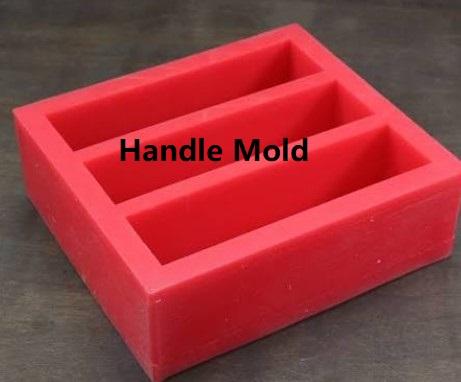
Plastic packaging continues to evolve as manufacturers look for practical ways to improve product handling, transportation, and presentation. Bottle handles are important accessories for containers that require convenient carrying and better user interaction. Choosing a suitable Handle Mold Supplier can help packaging manufacturers develop handle components that match different bottle...
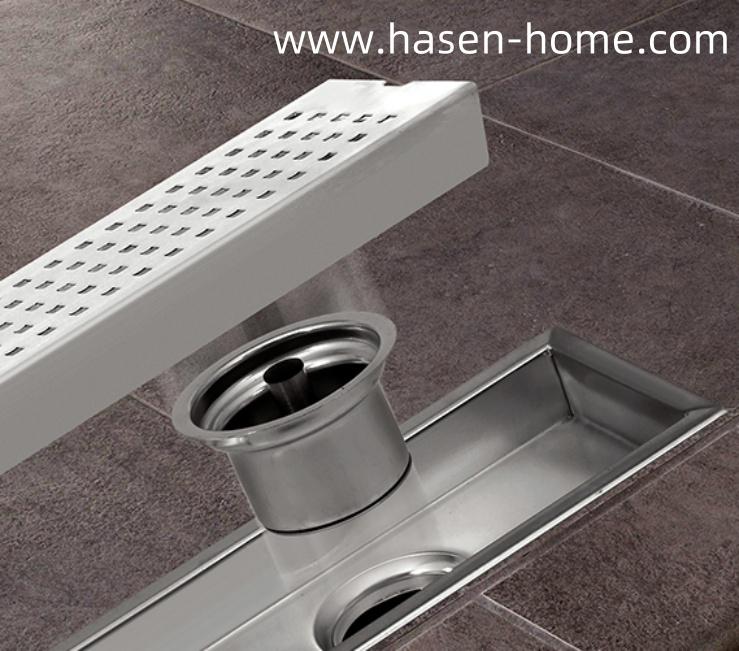
In modern bathroom design, drainage components play a vital role in maintaining cleanliness and comfort. When searching for reliable solutions, many buyers consider shower drain trap china as a practical option for balancing function and installation convenience. A well designed drainage system helps guide water flow efficiently while supporting a tidy environment. Choosing suitable...
The Internet of Military Things (IoMT) Market exhibits distinct regional characteristics shaped by local defense priorities, budget allocations, and geopolitical drivers. While North America remains the dominant leader, the Asia-Pacific region is emerging as the fastest-growing hub of investment and innovation. This article provides an in-depth analysis of the major regional markets....