


HMI Software Market Growth: Industrial Automation Transforming Smart Manufacturing Through 2035
Introduction: Expanding Role of Human Machine Interface Technology
The HMI Software Market is gaining attention as industries increasingly adopt automation, intelligent manufacturing, and advanced industrial control technologies. Human Machine Interface software enables operators to communicate with machines, monitor industrial processes, and manage equipment through graphical interfaces. The HMI Software Market Growth is supported by growing investments in smart factories, industrial digitalization, and connected production environments. Manufacturers are adopting modern HMI platforms to improve operational visibility, simplify machine interaction, and reduce manual intervention. These software solutions provide real-time information about equipment performance, production activities, system conditions, and operational alerts. Businesses across automotive, pharmaceuticals, food processing, energy, chemicals, and manufacturing are recognizing the importance of user-friendly industrial interfaces. Furthermore, the integration of HMI software with programmable logic controllers, supervisory control and data acquisition systems, and industrial Internet of Things platforms is strengthening its industrial relevance. As organizations modernize traditional production facilities, demand for flexible and reliable interface software is increasing. Technology providers are consequently focusing on advanced visualization, simplified configuration, and improved system interoperability.
Industrial Automation as a Major Growth Driver
Industrial automation is an important factor influencing the expansion of the HMI software industry. Manufacturing organizations are increasingly implementing automated production systems to improve efficiency, maintain consistent product quality, and optimize equipment utilization. HMI software allows operators to observe machine conditions, review production information, manage operating parameters, and respond to system notifications through centralized interfaces. These capabilities support faster communication between workers and industrial equipment. Smart manufacturing initiatives are also encouraging businesses to connect production machinery with digital monitoring platforms. Through these systems, organizations can identify operational irregularities and make informed maintenance decisions. Automotive manufacturers use HMI applications to monitor assembly operations, while pharmaceutical companies depend on process visualization to maintain controlled production environments. Food and beverage manufacturers also utilize interface software to manage processing and packaging equipment. As production systems become increasingly interconnected, the importance of intuitive operator interfaces continues to grow. Software developers are focusing on responsive designs, customizable dashboards, and simplified navigation to support industrial employees with different technical backgrounds.
Technological Innovation and Software Development
Technological advancements are transforming the capabilities of modern HMI software. Cloud-based platforms allow organizations to access operational information across different facilities, while web-based interfaces support monitoring through compatible devices. Artificial intelligence and advanced analytics are introducing additional capabilities for identifying unusual operating patterns and improving industrial decision-making. Integration with industrial Internet of Things technologies enables HMI systems to collect and display information from connected sensors, machines, and equipment. Edge computing is also becoming relevant because it supports local data processing and responsive industrial applications. Low-code development environments are helping engineering teams customize interfaces without extensive programming requirements. These developments are encouraging manufacturers to replace outdated visualization systems with more adaptable software platforms. Improved interoperability with automation equipment and enterprise applications is another important development. Software providers are increasingly emphasizing flexible architecture, simplified configuration, and secure communication to address the requirements of modern industrial environments.
Industry Applications and Competitive Landscape
HMI software is used across several industrial sectors where machine monitoring and process visualization are essential. Automotive manufacturers utilize interface systems to monitor production lines, coordinate machinery, and support equipment diagnostics. Energy and power facilities use HMI platforms to observe operational conditions and manage industrial processes. Oil and gas companies require reliable visualization systems for monitoring distributed equipment and complex processing operations. Pharmaceutical and chemical manufacturers depend on accurate process information and controlled operating environments. Food processing companies use these applications to manage production equipment, packaging systems, and quality-related operations. The competitive landscape includes technology companies such as Siemens, Rockwell Automation, Schneider Electric, ABB, Honeywell, Mitsubishi Electric, and Emerson Electric. These participants compete through software innovation, automation integration, cybersecurity capabilities, and customer support. Strategic partnerships and continuous product development are helping providers address changing industrial requirements. Companies offering scalable, secure, and interoperable HMI platforms can strengthen their position in the evolving industrial software environment.
Future Outlook: Smart Industrial Interfaces Through 2035
The HMI Software Market is expected to experience continued technological development through 2035 as manufacturers increasingly adopt connected and automated production systems. Artificial intelligence, cloud computing, edge processing, and industrial analytics are expected to influence future software capabilities. Organizations will continue seeking interfaces that simplify machine operation while providing detailed information about production performance. Cybersecurity will remain an important consideration as industrial systems become more connected to enterprise networks. Software providers will need to develop secure architectures that protect operational information and maintain system availability. Remote monitoring and mobile accessibility may also become increasingly important for organizations managing geographically distributed facilities. Additionally, the adoption of digital twins and advanced simulation technologies can create new opportunities for more interactive industrial interfaces. Overall, innovation, automation investment, and manufacturing modernization are expected to support the long-term development of the HMI software industry.
FAQs
Q1. What drives HMI Software Market Growth?
Industrial automation, smart manufacturing, industrial IoT integration, and increasing demand for real-time process monitoring are major growth drivers.
Q2. Which industries use HMI software?
Automotive, pharmaceuticals, food and beverages, chemicals, oil and gas, energy, and manufacturing industries use HMI software.
Q3. What technologies are influencing HMI software development?
Artificial intelligence, cloud computing, edge computing, industrial IoT, and advanced data visualization are influencing software development.
Explore Our Latest Trending Reports!
India Artificial Intelligence Market
Categorias
Leia Mais
In Hollow Knight: Silksong, the credits first appear at the end of Act 2, but that is not the true stopping point for diligent players. A secret Wayfarer Wish called Silk and Soul opens the path to the hidden third act, Abyss, provided it is completed before the confrontation with Grand Mother Silk. The route is not a simple boss trigger. It is a broad side-content gate that asks players to...

Забота о пожилом родственнике - это тяжелая задача. Существует много нюансов, и их учитывать надо. Во-первых стоит осознавать, в большинстве своем, постепенно характер портится, человек начинает регулярно злиться или расстраиваться. Эмоциональная нестабильность - это также распространенное явление у людей пожилого возраста. Кроме этого нужно гарантировать достойный уход, а это порой весьма...

Analyzing Global Expansion Drivers and Sustained Momentum Across the Semiconductor Diode Market Sustained expansion across the global electronic components landscape is directly propelled by continuous microarchitectural and material breakthroughs occurring within the Semiconductor Diode market growth. The widespread proliferation of smart home appliances, Internet of Things sensor nodes, and...

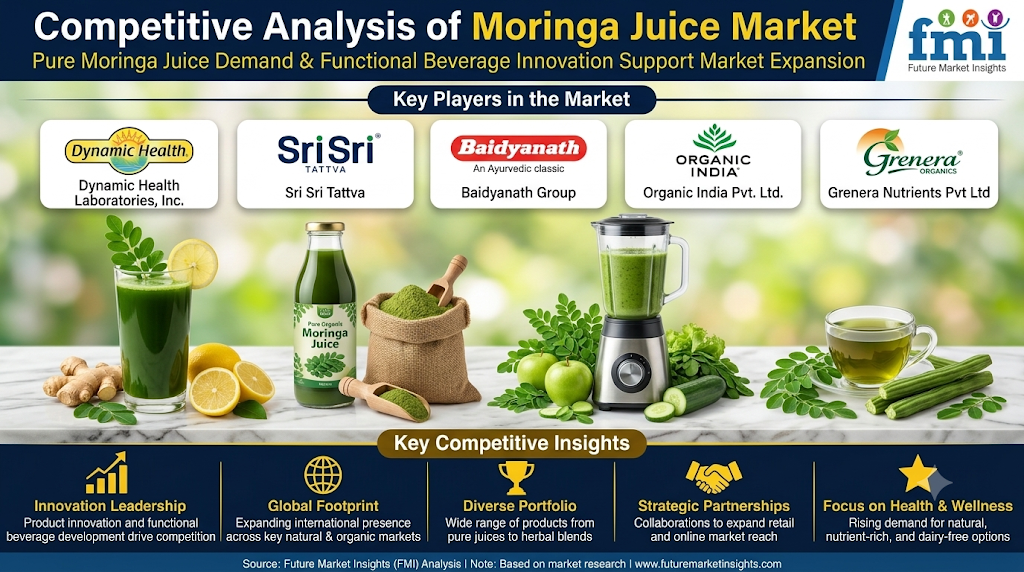
NEWARK, Del., November 23, 2026 — The global moringa juice market is entering a period of accelerated growth as consumers increasingly adopt botanical wellness beverages, Ayurvedic liquid formulations and convenient plant-based nutritional products. Rising interest in functional beverages, growing awareness of moringa's nutritional properties and expanding retail availability are...
The Manuka Honey Market is witnessing a significant surge in demand for organic certified products, driven by a growing global focus on sustainability and ethical consumerism. As per Market Research Future, environmentally conscious consumers are increasingly scrutinizing the sourcing and production methods behind their purchases, leading to a clear preference for products that are...