


HPL Door Factory: Understanding Materials and Surface Wear
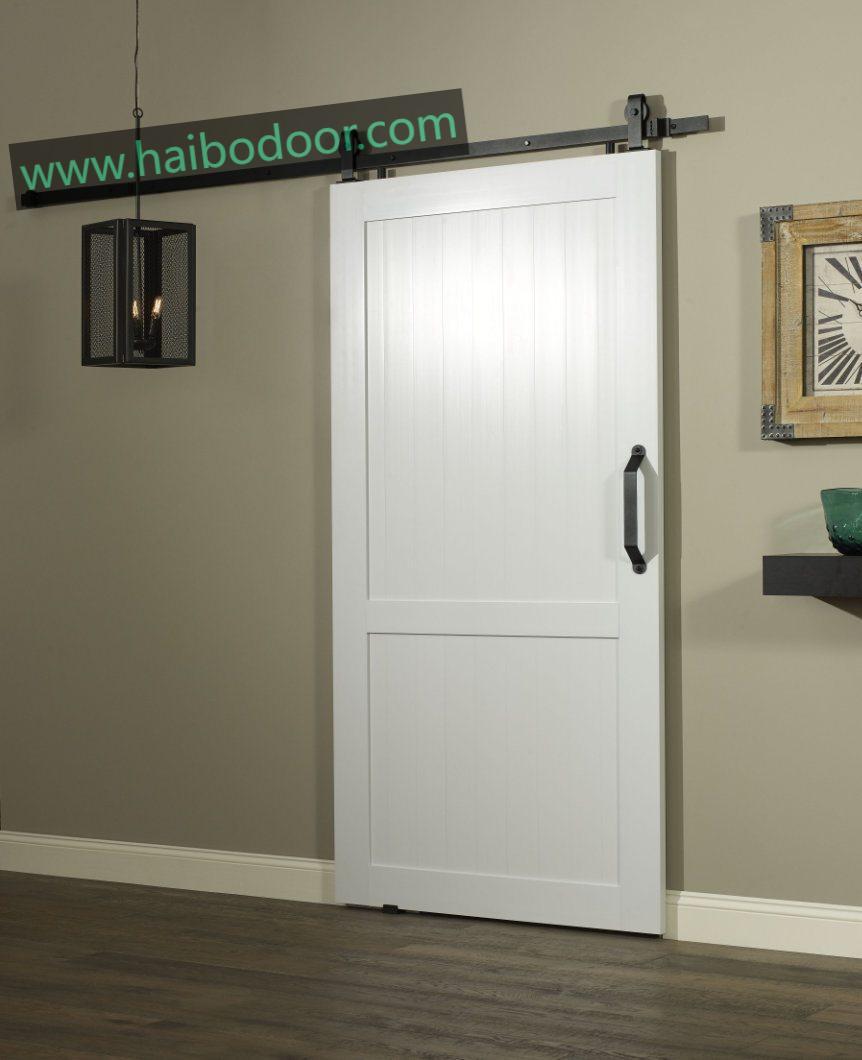
The edge of an interior door often reveals details that its broad, finished face does not. A slight change in texture, the way the surface meets the frame, or the feel of the material beneath the fingertips can influence how the whole panel is perceived. When discussing an HPL Door Factory and its product range, it is useful to separate the visible finish from the underlying door material. Buyers need to understand what the product is made from, which surface treatment is specified, and how those choices relate to the room where the door will be installed.
Interior doors are exposed to ordinary contact throughout the day. Hands reach for the handle, bags or furniture may brush against the panel, and cleaning takes place around the edges and lower sections. Material selection therefore has a practical role beyond appearance. A door intended for a residential bedroom may be considered in relation to the surrounding furniture and wall finishes, while a commercial interior can involve repeated daily handling across shared spaces. The material description should remain precise, since a broad label does not explain the actual construction or surface treatment.
Wooden doors and PVC doors represent different material categories within an interior door range. Their visible character can vary according to the design and finish selected, so buyers should avoid assuming that every product within one category has the same surface or structure. A wooden door may be specified to suit a decorative scheme based on natural-looking interior elements, while a PVC door may be considered as part of a project with a different finish preference. The product description and sample should identify the actual option under consideration rather than relying on the general appearance shown in a room photograph.
Surface inspection is a simple but useful part of reviewing a door sample. I would look along the panel under ordinary room lighting, then move closer to the edge where the finish meets the side of the door. Changes in texture, visible joins, or differences between the face and edge are easier to notice when the sample is viewed from several angles. A photograph can communicate the overall color, but it may not show how the surface feels or how the edge has been finished. These observations should be recorded without assuming a particular resistance level that has not been specified.
In its manufacturing work, haibodoor produces interior door solutions for residential and commercial spaces, with PVC doors, wooden doors, and customized options included in its range. The company also uses organized production facilities and quality inspection procedures as part of its manufacturing process. For a buyer reviewing material choices, those details provide context about the product categories and production arrangements, but they do not replace the need for a clear material specification. A sample should still correspond with the selected door type and the finish required for the project.
Durability should be discussed through the conditions the door is expected to encounter, rather than through broad claims. The location, frequency of use, cleaning routine, and likelihood of contact with surrounding objects all affect what a buyer needs to ask about. A door fitted in a busy shared corridor may experience a different pattern of handling from one installed in a private room. Without stated test results or technical specifications, it would be inaccurate to assign a fixed service life or claim a particular level of impact, moisture, or scratch resistance. The useful information is the material description and any documented inspection criteria supplied for the actual product.
Customized options also require careful attention to the relationship between material and decorative finish. A project may call for a particular color, panel appearance, or visual connection with nearby furniture, but the requested design should be described separately from the base material. This distinction matters when several doors are being specified for the same building, because a shared appearance does not necessarily mean that every panel uses the same construction. Keeping the material name, finish reference, and intended location together in the project schedule helps prevent one option from being mistaken for another during ordering and installation.
When a sample is placed against a wall or beside its intended frame, the panel's edge, face, and finish can be viewed as one physical assembly. An HPL Door Factory specification should identify the material and the exact decorative option being discussed, while the product range at https://www.haibodoor.com/product/ provides a reference point for the available interior door categories. The sample still has a limitation: without documented technical data for its particular construction, its appearance alone cannot establish how it will respond to years of contact and cleaning.
Категории
Больше
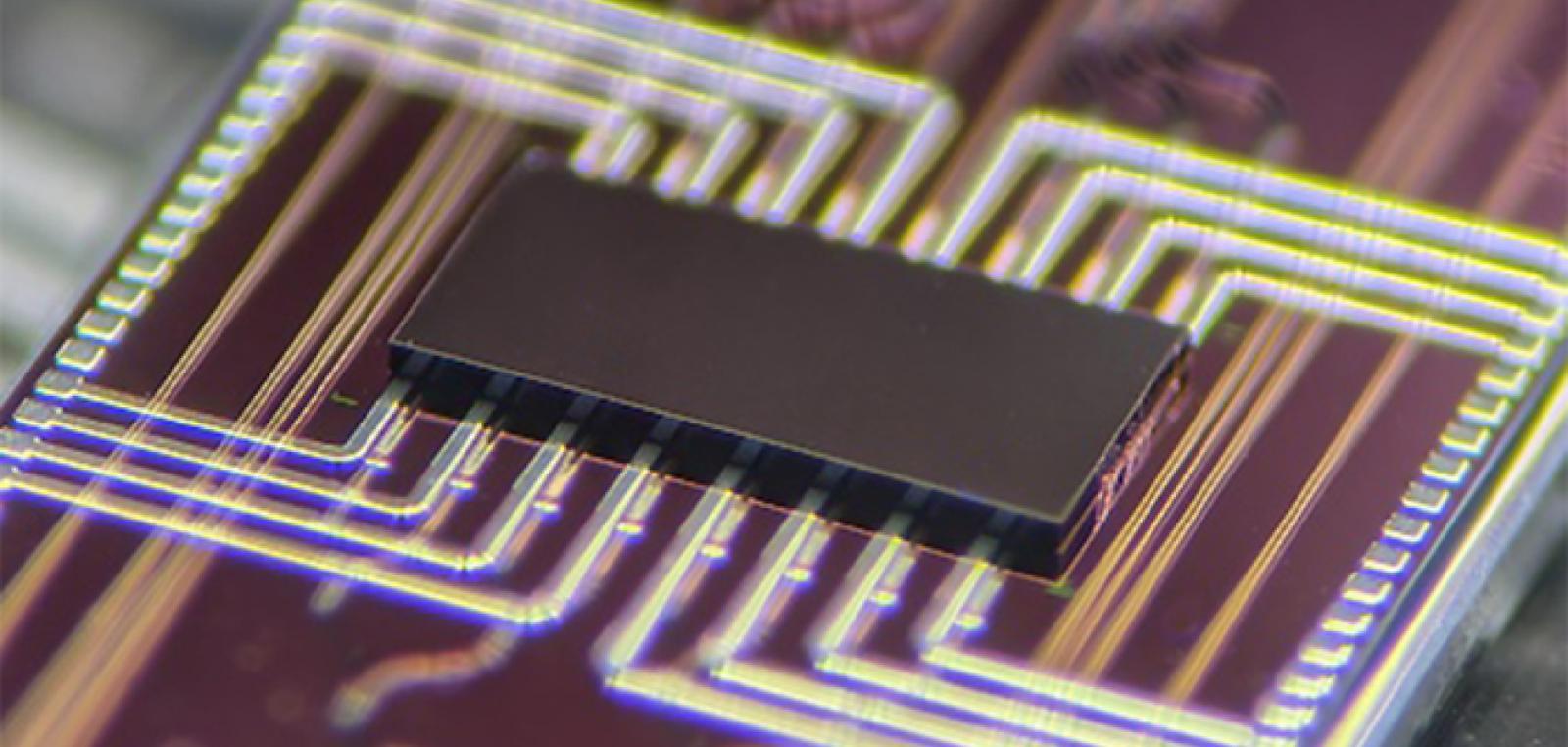
The growing demand for high-frequency communication systems is increasing the importance of Radio Frequency Front-End Monolithic Microwave Integrated Circuits (RF Front-End MMICs). These integrated circuits combine multiple RF functions into compact semiconductor solutions, supporting signal amplification, transmission, and reception across wireless communication platforms. Their applications...
According to Market Research Future, the Floating LNG Power Vessel Market Size is influenced by the growing requirement for flexible electricity generation, investment in LNG infrastructure, and demand for energy supply diversification. Floating power vessels combine marine-based facilities with natural gas generation technology, offering an alternative for selected locations that require...

This tale was excerpted against Tim Stebbins' Guardians Battle e-newsletter. Towards examine the complete e-newsletter, click on below. And subscribe towards obtain it constantly within just your Baseball's offseason is an chance for gamers towards reset just after the grind of the 162-match time. Alongside with that, the months and weeks major up towards Spring Doing exercises are primed for...

The modern world relies on a complex network of infrastructure to deliver electricity from power plants to homes and businesses. Power transmission components are the critical elements that form the backbone of this network, ensuring the safe, efficient, and reliable flow of electricity across vast distances. According to Market Research Future, the demand for these components is growing...

As of 2026, Hollow Knight: Silksong's Citadel remains one of the game's most labyrinthine stretches, and the sealed elevator in the Coral Chambers has become a familiar stumbling block for players pushing beyond the Underworks. The elevator is marked by a white lock bearing a surgical symbol, a detail that reads less like a conventional keyhole than a locksmith's riddle tucked inside a coral...
