


Oil Well Cement Market Size: Demand Drivers and Industry Opportunities

According to Market Research Future, the Oil Well Cement Market Size is influenced by oil and gas drilling activity, well construction investment, offshore exploration, and demand for reliable cementing materials. Oil well cement is essential for securing casing and isolating underground formations during drilling and completion operations. Its commercial demand is connected to the number and complexity of wells being developed, the type of cement required, and the operating conditions of individual projects. Understanding market size therefore requires examining both new well construction and maintenance requirements across the energy sector.
Factors Used to Evaluate Market Size
The market includes the value of specialized cement products, additives, formulations, and related supply arrangements used in oilfield cementing.
Demand varies according to well depth, drilling conditions, temperature, pressure, and geological characteristics. A technically complex well may require specialized cement formulations and additives, influencing the overall value of its cementing requirements.
Market activity is also affected by drilling schedules, exploration budgets, production investment, and well intervention programs.
Oil and Gas Drilling Activity
Drilling activity is one of the primary factors influencing demand for oil well cement.
Every new well requires appropriate casing and cementing operations to support structural integrity and formation isolation. As exploration and production companies develop new fields, cement suppliers may benefit from increased procurement requirements.
Changes in oil and gas prices can influence exploration budgets and drilling decisions. Higher investment activity may encourage new projects, while lower commodity prices can lead operators to delay or reconsider certain developments.
The relationship between drilling activity and cement demand makes upstream investment an important market indicator.
Offshore Exploration and Deepwater Projects
Offshore exploration creates opportunities for specialized cement products.
Marine drilling operations can involve challenging well conditions, complex geological formations, and demanding pressure and temperature requirements. These factors influence cement formulation and product selection.
Deepwater projects may require carefully engineered cementing systems to help maintain well integrity. The technical complexity of these projects can increase the importance of product performance and specialized support.
Investment in offshore infrastructure and exploration programs can therefore influence market opportunities for manufacturers and suppliers.
Well Maintenance and Remedial Cementing
Market demand is not limited to newly drilled wells. Existing wells may require remedial cementing to address leakage, inadequate zonal isolation, or changes in well conditions.
Well intervention activities can create additional demand for specialized cement products.
As operators seek to extend the productive life of existing assets, maintenance and integrity management may contribute to cement procurement requirements.
The extent of this demand depends on the condition of existing wells, intervention budgets, and the technical solutions selected by operators.
Product Types and Technical Requirements
Different well conditions require different cement characteristics.
Cement systems may be selected according to density, thickening time, temperature resistance, fluid loss control, and other performance requirements.
Additives can modify slurry properties to suit specific operational conditions. Lightweight formulations may be used in selected applications where hydrostatic pressure needs to be managed, while other wells may require higher-density systems.
Specialized products can influence market value because they require specific formulation, quality control, and technical support.
Regional Market Influences
Regional demand depends on oil and gas reserves, drilling activity, offshore development, production infrastructure, and investment conditions.
Regions with established upstream industries may generate demand through both new drilling and well maintenance. Emerging exploration areas may create opportunities when infrastructure and development programs expand.
Local availability of raw materials, transportation networks, and cement manufacturing capacity can also affect supply arrangements and project costs.
Challenges Affecting Market Expansion
Market demand can be affected by fluctuations in drilling budgets and commodity prices. Changes in exploration activity may influence procurement schedules and supplier planning.
Manufacturers must also manage raw material costs, product consistency, logistics, and technical requirements.
Environmental standards and well integrity expectations can increase the need for specialized products and quality assurance procedures.
Future Opportunities
Opportunities may emerge through deepwater exploration, unconventional resource development, well intervention, and demand for advanced cementing materials.
Manufacturers that develop formulations for challenging downhole conditions may address specialized customer requirements. Improved testing and cementing design tools can also support more effective product selection.
Conclusion
Oil Well Cement Market Size is shaped by drilling activity, offshore exploration, well maintenance, cement formulation requirements, and upstream investment. Demand can vary according to regional production conditions and the technical complexity of individual wells. Continued attention to well integrity and specialized cementing performance may create opportunities for suppliers offering reliable products and application-focused solutions.
Access detailed findings to navigate market complexities:
direct current switchgear market
direct current switchgear market
direct current switchgear market
direct current switchgear market
direct current switchgear market
direct current switchgear market
الأقسام
إقرأ المزيد
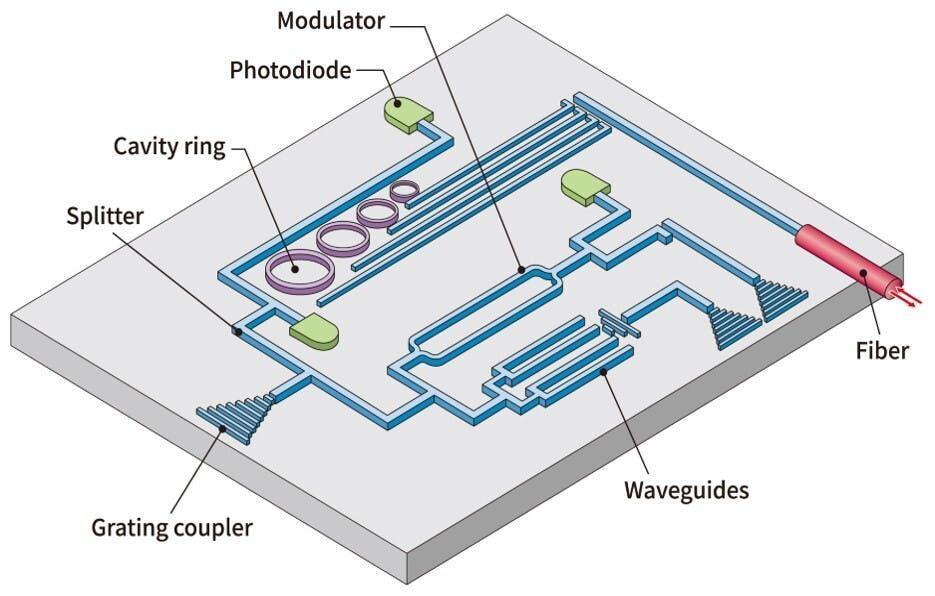
The semiconductor and optoelectronics industries are placing greater emphasis on high-speed data transmission, optical integration and energy-efficient computing as digital infrastructure continues to expand. Against this backdrop, silicon-based photonic devices are gaining attention for their ability to combine optical and electronic functionalities on silicon substrates for communications,...
With EA Sports FC 26 nearing the end of its cycle, the Team of the Season promo is set to deliver a major shift in gameplay balance. Launching on April 17, 2026, the event skips the traditional Warm-Up phase and goes straight into weekly squad releases. This makes the schedule more condensed compared to previous years. Official Schedule Overview: April 17: Mixed European leaguesApril 24:...

The Global Laundry Application Market report is carefully created analyzing the industry environment which caters to the client’s needs at its best. The report makes it easy to develop an efficient marketing strategy for the organization. This marketing study offers an all-inclusive market analysis, accounting for various facets of product description, segmentation of the market as per...

A gamifikáció jövője az online kaszinókban: Hogyan vonzzák be a fiatal generációk figyelmét a 2026-os szerencsejáték-trendek révén? A technológiai fejlődés és a digitális forradalom idején az online kaszinók világában a gamifikáció egyre nagyobb...

Continuous renal replacement therapy in China is poised for continued growth, driven by expanding critical care capacity, aging populations, and advances in technology. The future promises more accessible, effective, and integrated CRRT, improving outcomes for critically ill patients. Understanding these trends helps hospitals, manufacturers, and clinicians anticipate what is coming. Several...
