


Hand Held Pulse Oximeters Market: Supporting Portable and Flexible Patient Monitoring
Monitoring oxygen saturation and pulse rate is an important part of assessing respiratory and cardiovascular health. Healthcare professionals use pulse oximetry as a noninvasive method to estimate the percentage of oxygen carried by hemoglobin in the blood. Portable monitoring devices help support patient assessment in hospitals, clinics, emergency settings, and selected home-care environments.
The Hand Held Pulse Oximeters Market includes portable devices designed to measure and display oxygen saturation and pulse rate. These instruments generally use light sensors to estimate oxygen saturation through a measurement site, commonly a finger. Depending on the model, features may include digital displays, alarms, memory functions, rechargeable batteries, and data connectivity.
Applications Across Healthcare Settings
Hand held pulse oximeters are used in clinical environments to support respiratory assessments and monitor patients when oxygenation information is required. They can be useful in emergency departments, outpatient facilities, ambulances, and other care settings where portability is valuable.
Some models are also used in home healthcare under appropriate professional guidance. Their compact design allows caregivers and clinicians to obtain measurements without relying on larger bedside monitoring equipment.
Factors Influencing Market Demand
The need for accessible patient monitoring equipment is supporting interest in portable pulse oximeters. Healthcare facilities value devices that are easy to operate, convenient to transport, and suitable for repeated clinical use.
Technology improvements are also shaping product development. Manufacturers are focusing on display readability, measurement performance, battery efficiency, durability, and connectivity with broader patient monitoring systems.
Challenges and Future Opportunities
Pulse oximeter readings can be affected by factors such as poor circulation, movement, skin temperature, nail products, and device limitations. Accuracy may also vary across individuals and circumstances. Readings should therefore be interpreted alongside symptoms and clinical assessment rather than used as the sole basis for medical decisions.
Future opportunities may include improved sensor design, better data integration, and enhanced usability. Manufacturers that prioritize validated performance, regulatory compliance, and clear instructions can support responsible adoption across healthcare settings.
People Also Ask
1. What does a hand held pulse oximeter measure?
It estimates blood oxygen saturation and measures pulse rate using a noninvasive sensor.
2. Are pulse oximeter readings always accurate?
No. Several physiological and environmental factors can affect readings, so results should be interpreted in context.
Tags: Hand Held Pulse Oximeters Market, Pulse Oximetry, Patient Monitoring, Oxygen Saturation, Portable Medical Devices, Respiratory Care
Kategorien
Mehr lesen
In the crowded landscape of 2025 video game releases, few collisions were as brutal as the one between Indiana Jones and the Great Circle’s Order of Giants expansion and Hollow Knight: Silksong. Both arrived on September 4, 2025. For the uninitiated, this might have looked like a simple scheduling coincidence. For anyone following the indie and AAA scenes, it was a mismatch of hype...

Ритуальная служба — организация, оказывающая полный спектр услуг по организации похорон в Москве. Наша цель — максимально упростить для вас этот непростой процесс. Мы берём на себя все бюрократические и организационные вопросы, учитываем пожелания семьи, традиции и особенности запроса клиента, чтобы сделать всё быстро и грамотно.• Гарантируем юридическую чистоту и...
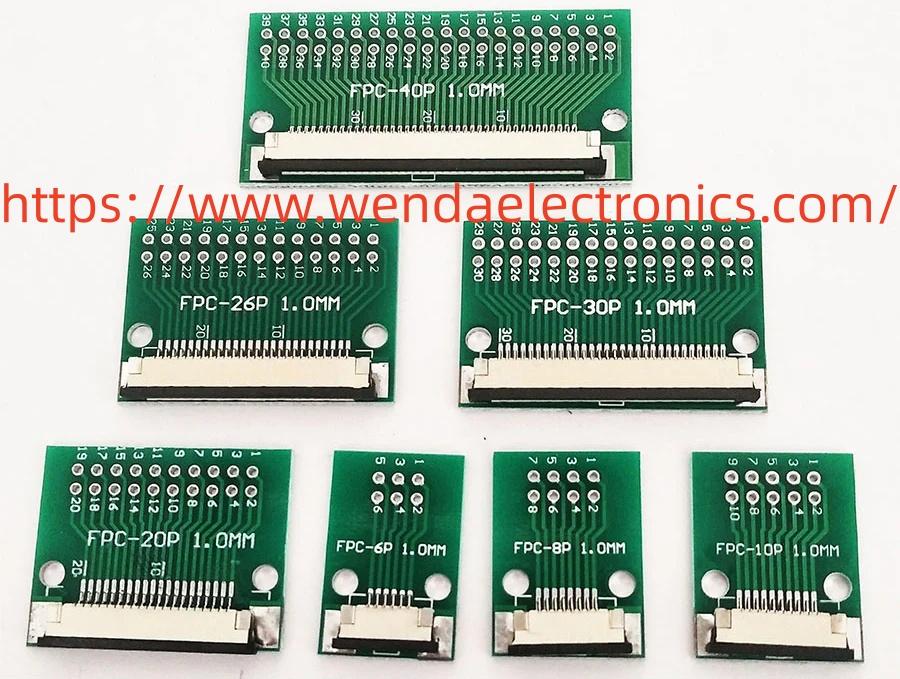
Flexible flat cable connections play an important role in compact electronic products where organized wiring and efficient use of internal space matter. For designers and buyers considering an FFC Ribbon Cable, the product should be evaluated as part of the whole connection system rather than as a simple strip of conductors. Material selection, purchasing priorities, functional engineering,...
Distributed energy resources (DERs) are the fundamental building blocks of any microgrid. They encompass the diverse range of power generation, storage, and control technologies that operate within the microgrid's local network. The intelligent orchestration of these resources is what gives a microgrid its resilience, efficiency, and sustainability. Analysis presented by Market...
Подобрать комфортный обменник возможно довольно легко. В случае если так к примеру вам потребуется обменять пару сотен долларов или же купить в районе тысячи евро, это сделать возможно будет мгновенно по сути. Уже чуть сложнее поменять настоящие деньги. Понадобится найти пункт обмена в городе, либо поехать в банк, тем не менее там имеются свои лимиты. Пробовали вы когда-то купить доллары или...