


How Can an Air Compressor Match Different Workshop Needs?
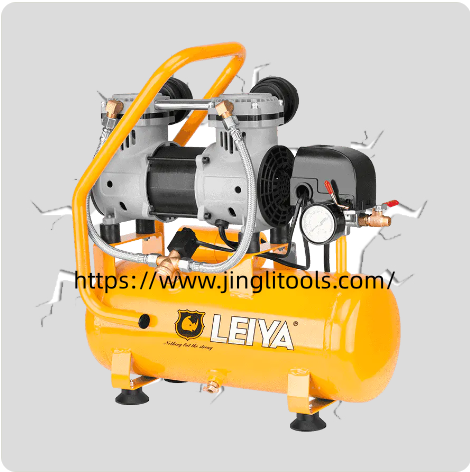
Air Compressor selection starts with understanding the actual needs of the workplace. For buyers sourcing equipment for repair shops, manufacturing facilities, or maintenance departments, product specifications should match the intended workload and operating environment. Motor power, working pressure, tank capacity, output performance, and installation conditions all deserve attention. Instead of comparing products based on a single figure, purchasing teams should evaluate the complete configuration and discuss their requirements with the manufacturer before placing an order.
Define the Intended Working Tasks
The first step is to identify which tools and processes will use the equipment. Small repair facilities may need a unit for intermittent maintenance, while production workshops may require a more consistent pneumatic supply throughout the working day.
Buyers should list the tools that will be connected and estimate how frequently they will operate. If several devices may run simultaneously, their combined consumption should be considered during product selection.
It is also worth reviewing possible changes in future demand. A workshop planning to expand its operations may need additional capacity later. Sharing these plans with the manufacturer can help buyers evaluate a configuration that suits both current and anticipated requirements.
Evaluate Pressure and Output Capacity
Working pressure and output capacity are important specifications because they influence which pneumatic tools can operate properly. Buyers should check the pressure requirements of their connected equipment and compare them with the manufacturer's stated product data.
Output capacity should also reflect actual usage. A unit designed for occasional operation may not suit a facility where several tools are used throughout the day. Purchasing teams should therefore consider the number of connected devices, their consumption rates, and their operating schedules.
When requesting a quotation, buyers can ask for detailed performance specifications and clarification of the stated testing conditions. This makes it easier to compare different configurations using consistent information.
Check Tank Size and Motor Configuration
Tank capacity determines how much compressed gas can be stored for use. The appropriate size depends on operating frequency, consumption patterns, and the output capability of the selected machine.
Motor power is another factor to review. Buyers should confirm that the motor configuration is suitable for the expected workload and compatible with the electrical supply at the installation site. Voltage, frequency, and connection requirements should be checked before an order is confirmed.
These specifications should be considered together rather than separately. A larger storage tank does not automatically mean that a product can meet every application requirement. A balanced configuration is based on the relationship between motor performance, storage capacity, and actual consumption.
Understand the Value of Oil-Free Construction
Oil-free construction can be relevant to applications where contact with lubricant residue needs to be limited. Buyers may consider this design for particular workshop tasks, production processes, or environments with specific cleanliness requirements.
However, the suitability of a product depends on the intended application. Some processes may require additional filtration or moisture-control components to meet their operating conditions.
Before selecting a model, buyers should explain the required output quality and the equipment that will be connected. This gives the manufacturer a clearer basis for discussing the available configuration and any additional components that may be needed.
Review Installation and Workplace Conditions
Available installation space should be measured before purchasing. Buyers need to consider the machine dimensions, access for maintenance, ventilation, and the position of electrical connections.
Noise may also affect the working environment, especially when equipment is installed near employees or shared work areas. Requesting sound-level information can help buyers understand whether a particular model is appropriate for the intended location.
Temperature, operating frequency, and surrounding conditions should also be included in the evaluation. Providing these details helps the manufacturer understand how the product will be used and whether any installation considerations need to be addressed.
Ask About Maintenance and Replacement Parts
Routine maintenance is an important part of equipment ownership. Buyers should understand which components need periodic inspection, how servicing is arranged, and whether replacement parts are available.
For distributors and wholesalers, product identification and documentation can also influence purchasing decisions. Clear model information makes it easier to manage inventory and communicate specifications to customers.
Before confirming an order, ask the supplier about warranty arrangements, technical assistance, spare parts, and after-sales communication. These details help both parties establish clear expectations and prepare for future support needs.
Prepare a Detailed Purchasing Inquiry
A well-prepared inquiry can make communication with a manufacturer more efficient. Buyers should provide the intended application, required pressure, estimated consumption, preferred tank capacity, motor requirements, and installation conditions.
For customized orders, technical drawings, reference photographs, or product specifications can help clarify expectations. Purchasing teams should also confirm order quantities, packaging requirements, sample arrangements, and delivery schedules.As a manufacturer of power tools and related workshop equipment, jinglitools provides product information to help buyers review available configurations and communicate their application requirements. Before making a purchasing decision, customers can compare relevant specifications and discuss their project details with the company. Visit https://www.jinglitools.com/ to view product information and contact jinglitools about suitable equipment options.
Categories
Read More
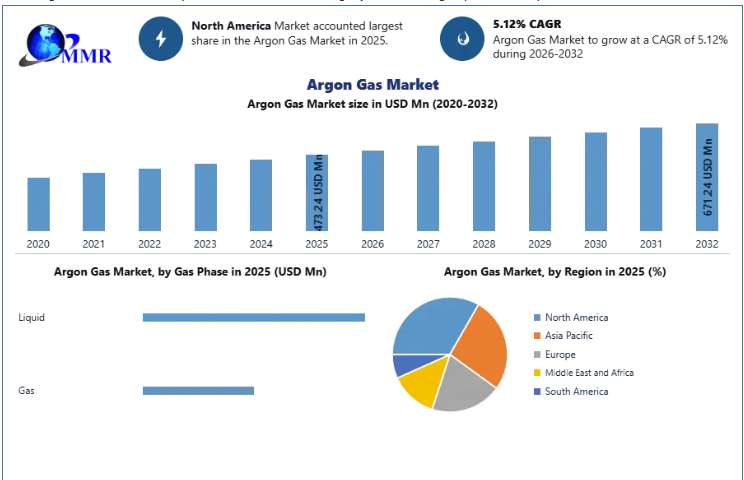
Key Highlights The Argon Gas Market reached USD 473.24 million in 2025 and is expected to reach USD 671.24 million by 2032, growing at a 5.12% CAGR. Asia Pacific accounted for 34% of global market share in 2025. Insulation remained the largest functional segment with 58% market share. Metal Manufacturing & Fabrication generated the highest end-use...
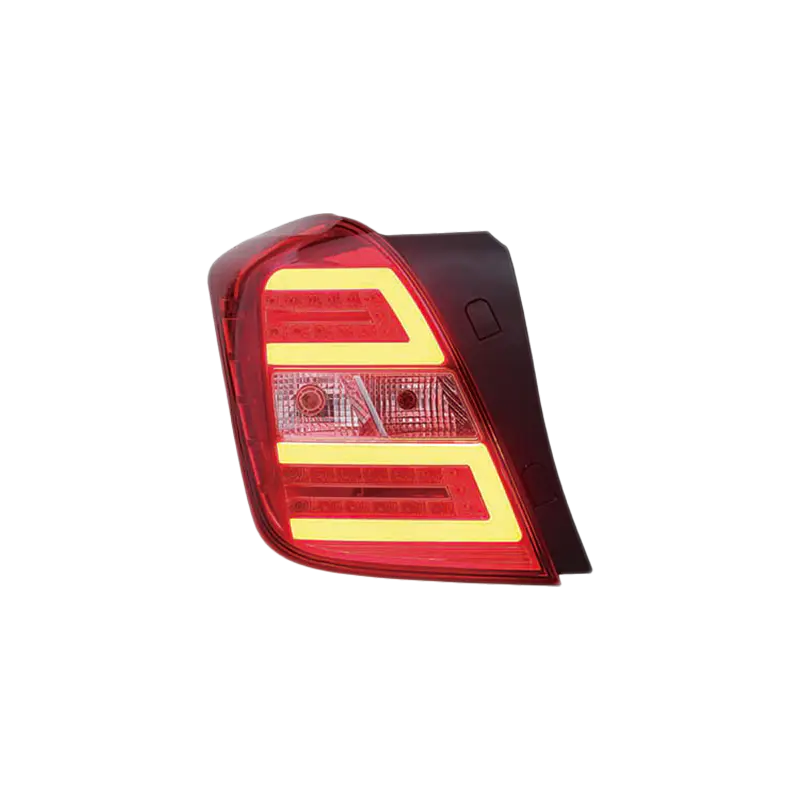
Rear lighting has a demanding role because it communicates several vehicle actions without requiring words. Braking, turning, maintaining rear visibility, and reversing each require a clear lighting signal that can be recognized under changing road conditions. For this reason, LED Stop Turn Tail Reverse Lights have attracted attention from vehicle owners, repair businesses, distributors,...
While large pharmaceutical giants often dominate headlines, mid-size pharmaceutical companies play a vital and often underappreciated role in global healthcare. These companies, typically with annual revenues between $1 billion and $10 billion, are agile, innovative, and focused on addressing unmet medical needs. They are a critical component of the pharmaceutical ecosystem, driving growth in...

The Soap Dispenser Market is experiencing continued interest as hygiene practices, user expectations, and facility requirements influence the development of dispensing products. Soap dispensers have become a standard feature across residential and commercial environments, providing a convenient way to make hand-cleaning products available. While traditional pump dispensers remain widely used,...
Semiconductor Insight Publishes Comprehensive Research on the Semiconductor Automated Test Equipment (ATE) Market, Highlighting AI Processors, High-Bandwidth Memory, and Advanced Semiconductor Testing The growing complexity of semiconductor devices is increasing the need for precise, high-speed testing systems capable of validating performance, functionality, and reliability before chips reach...