


Which Product Details Can ys-traffic Customize for Buyers?
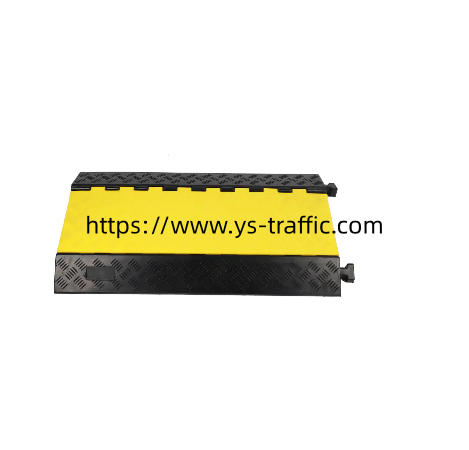
Cable Ramp selection requires buyers to look beyond product appearance and quotation prices. The number of channels, internal dimensions, material construction, traffic conditions, and installation layout all influence whether a model suits a particular project. For distributors, contractors, event organizers, and industrial purchasers, reviewing these details before ordering can reduce fitting problems and improve site planning. Clear requirements also help manufacturers recommend suitable configurations.
Map the Installation Area Before Selecting a Model
A purchasing decision should begin with the actual working environment. Buyers need to identify where temporary power lines, communication wires, and hoses will pass, as well as which areas are used by pedestrians or vehicles.
A simple site drawing can help clarify the required route, total length, entry points, and possible turns. It is also useful to measure the available floor space and check whether doors, machinery, or loading equipment may interfere with installation.
For temporary projects, the layout may change between working stages. Buyers should consider whether the selected structure can be moved, extended, or rearranged when site conditions change. Providing these details to a supplier makes product recommendations more relevant.
Match Channel Dimensions with the Actual Contents
The internal passage size is an important specification. Buyers should measure the outside diameter of each wire or hose and confirm how many lines need to be placed inside the protective unit.
Single-channel designs may suit smaller installations, while multi-channel configurations can separate several lines within one structure. However, buyers should not choose a model based only on the number of passages. Internal width and height must also provide enough room for the intended contents.
Avoid placing lines under unnecessary pressure or forcing oversized items into narrow spaces. If several different diameters are involved, provide a size list to the manufacturer and ask which configuration can accommodate the arrangement.
Consider Material Construction and Site Conditions
Material selection should reflect the installation environment and expected use. Rubber products are commonly selected for their flexibility and contact with floor surfaces. Some designs combine a rubber base with a PVC cover, creating a structure with separate base and lid components.
Buyers should consider whether the product will be used indoors, outdoors, or in an area exposed to changing weather conditions. Temperature, moisture, dust, and repeated contact with equipment may influence material requirements.
Surface texture also deserves attention. A textured or non-slip surface can help provide grip in working areas where people or equipment pass over the unit. Purchasers should ask for product specifications and relevant test information rather than relying on appearance alone.
Evaluate Load Requirements and Traffic Movement
Different locations involve different types of movement. A pedestrian walkway, warehouse aisle, construction entrance, and vehicle access route may require different product configurations.
Before purchasing, identify the expected traffic type and the weight of equipment that may cross the installation. Ask the supplier how the stated load capacity is determined and which testing conditions apply. A published capacity should be assessed in relation to the actual site requirements.
The shape of the entry and exit sections is another practical point. Sloped edges can provide a gradual transition between the floor and the protective unit. Buyers should also check whether the product remains properly positioned on the intended surface during normal use.
Check Connection Methods and Maintenance Access
For longer routes, modular designs can make layout planning more flexible. Interlocking sections allow compatible units to connect and form an extended installation. Before placing an order, buyers should confirm that the joining structure and dimensions match across all selected models.
The opening method is equally important. Some products have removable or hinged covers, allowing users to access the contents for inspection or replacement. Buyers should consider how often maintenance may be required and whether workers can open the cover conveniently at the installation site.
It is also worth checking whether additional end sections or compatible accessories are available. These details can help create a more organized route and reduce the need for improvised connections.
Prepare Customization and Order Details in Advance
Standard models may meet many routine requirements, but some projects need specific dimensions, channel arrangements, or color combinations. Buyers should discuss these points with the manufacturer before requesting a final quotation.
Useful information includes the required quantity, overall dimensions, internal passage sizes, preferred material, intended application, and packaging requirements. Drawings or reference photographs can make technical communication clearer.
For wholesale orders, also confirm the minimum order quantity, sample availability, production schedule, inspection requirements, and shipping method. Agreeing on these details before production begins can help both parties coordinate the order more efficiently.
Discuss Your Requirements with ys-traffic
Choosing suitable protective equipment involves careful planning of the installation route, internal dimensions, material construction, and expected traffic. Buyers who prepare accurate project information can compare product configurations more effectively and communicate their needs clearly.ys-traffic offers rubber-based protective products in different channel layouts and structural configurations. Buyers can discuss model selection, customization, samples, and wholesale purchasing requirements with the manufacturer. To review available options and submit a project inquiry, visit https://www.ys-traffic.com/
Kategorien
Mehr lesen
The High Precision Body Surface Temperature Sensor Market is gaining importance as healthcare providers, wearable technology manufacturers, and medical device developers seek accurate, fast, and reliable temperature-monitoring solutions. High-precision body surface temperature sensors are designed to measure temperature from the skin with minimal discomfort, making them valuable for continuous...

The global Civilian Turboshaft Helicopter Market is experiencing robust growth as increasing demand for emergency medical services, offshore transportation, and government operations drives adoption of versatile rotorcraft. This comprehensive Civilian Turboshaft Helicopter Market analysis explores the evolving landscape of light, medium, and heavy helicopters powered by turboshaft...

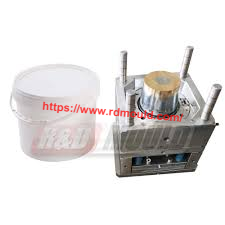
In modern manufacturing, efficiency and sustainability are top priorities. Selecting the right mold can greatly influence both production quality and resource utilization.Bucket mold solutions from rdmould provide manufacturers with customizable options that optimize workflow, reduce excess material, and enhance overall productivity. Can a customizable mold really reduce waste while...
Fiberglass Market Size to Reach USD 21.0 Billion by 2036, Expanding at 5.3% CAGR, According to FMI Report NEWARK, Del., November 6, 2026 — The global Fiberglass Market is projected to reach USD 12.5 billion in 2026. According to Future Market Insights (FMI), the market is forecast to grow to USD 21.0 billion by 2036, expanding at a CAGR of 5.3% between 2026 and 2036. This represents an...

Medical carts are designed with features that support clinical workflows, safety, and durability. Understanding these features helps providers select appropriate equipment and helps manufacturers develop products that meet user needs. Key considerations include mobility, storage, security, and ease of cleaning. Mobility is essential for medical carts, which must be moved frequently and through...