


Construction Materials Market Analysis Reveals Emerging Opportunities in Green Building and Advanced Construction Materials
Renovation and repair have become important components of construction activity as building owners, property managers, and public authorities seek to maintain existing assets and improve their performance. Residential properties require periodic upgrades, while commercial buildings and industrial facilities need maintenance to preserve safety, functionality, and long-term value. Public infrastructure such as bridges, roads, water systems, and institutional buildings also requires regular repair and rehabilitation. These activities create demand for a different but extensive range of construction materials.
The continued need to maintain existing structures supports the Construction Materials Market. Renovation projects use products such as repair mortars, cement, concrete, adhesives, sealants, waterproofing membranes, tiles, paints, insulation, glass, and replacement metal components. Structural repair work may require specialized grouts, reinforcement systems, corrosion protection, and high-performance coatings designed for particular site conditions.
Residential renovation is influenced by changing household needs and expectations. Homeowners may remodel kitchens and bathrooms, replace flooring, upgrade roofs, improve insulation, install new windows, or modernize electrical and plumbing systems. These projects generate demand for finishing materials as well as products used for structural repairs. The growing interest in energy efficiency is also encouraging building owners to consider insulated walls, improved glazing, reflective roofing, and weather-resistant building envelopes.
Commercial and institutional properties create additional opportunities. Offices, schools, hospitals, hotels, and retail buildings require periodic upgrades to comply with safety standards, improve accessibility, and support changing operational requirements. Renovation can involve flooring replacement, façade restoration, fire-resistant materials, acoustic panels, waterproofing, and upgraded mechanical infrastructure. Industrial facilities may require protective coatings, chemical-resistant flooring, concrete repair products, and specialized structural components.
Infrastructure rehabilitation is particularly important because many transportation and utility assets require maintenance throughout their operating lives. Bridge decks, road surfaces, tunnels, drainage systems, and water pipelines may need repair or replacement. These projects often require materials that can withstand weather exposure, traffic loads, moisture, and chemical conditions. Fast-curing repair products and durable protective systems can help reduce service interruptions when used appropriately.
Despite its potential, the renovation segment can be difficult to manage because existing structures may contain hidden defects, outdated installations, or materials that require special handling. Project costs can also change when unexpected damage is discovered. Contractors must select compatible products and follow installation procedures to achieve reliable results.
As building owners focus on extending asset lifecycles and improving property performance, renovation and repair are expected to remain meaningful sources of material demand. Manufacturers offering specialized repair systems, durable finishes, and energy-efficiency products can serve this expanding range of maintenance requirements.
Κατηγορίες
Διαβάζω περισσότερα
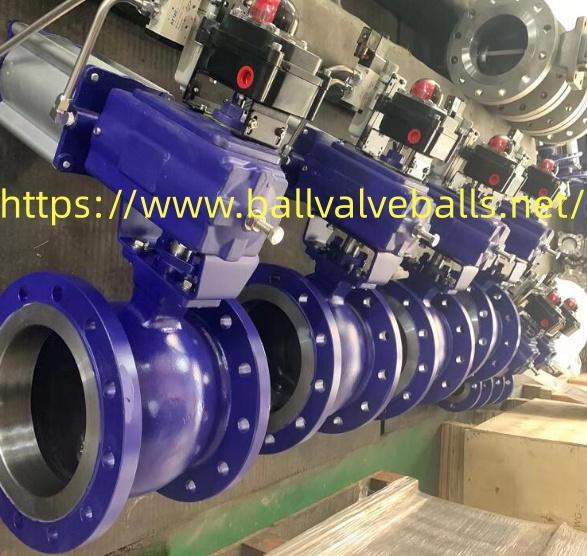
Hard Seal Ball selection should start with the actual valve design and operating conditions rather than appearance or price alone. For valve manufacturers, distributors, and industrial purchasing teams, important points can include material grade, dimensions, roundness, surface condition, machining tolerance, coating, seat compatibility, and inspection requirements. A clear technical...
The Platform as a Service Market Solution portfolio expands continuously as providers develop comprehensive offerings addressing diverse developer and enterprise requirements across application development, integration, database management, and analytics functions. Database PaaS solutions eliminate patching, backup, and failover complexity through managed relational and NoSQL offerings...

A napkin leaves the production line flat, but it reaches the table folded. That simple fact shapes nearly every design decision a Party Printed Paper Napkins Manufacturer must make, because the panel carrying the artwork has to be the panel a guest actually sees. FuRong has produced printed napkins for weddings, hotels, and catering clients, and the conversation about fold placement comes up...

Market Overview and Introduction The Park Market represents a vital segment of the global recreation and tourism industry, valued at 55.2 billion USD in 2024 with expectations to reach 75 billion USD by 2035, growing at a steady CAGR of 2.8%. This market encompasses diverse park types including national parks, theme parks, city parks, adventure parks, and wildlife parks, each serving...
Eye health is an important part of veterinary medicine because ocular conditions can affect an animal's comfort, vision, and quality of life. Dogs, cats, horses, and livestock may experience eye infections, inflammation, injuries, dry eye conditions, and other disorders requiring professional assessment. Veterinary ophthalmic medicines support the management of these conditions through...