Beauty and Personal Care Packaging Market Growth Accelerates with Rising Demand for Sustainable Packaging Solutions

The growing popularity of skincare products is creating demand for packaging that combines product protection, convenience, functionality, and visual appeal. Consumers are purchasing a wider range of products, including moisturizers, serums, cleansers, sunscreens, facial oils, and specialized treatments. Each product category has different packaging requirements depending on its formulation, viscosity, sensitivity to air and light, and method of application. As skincare brands introduce new formulations and premium product lines, packaging manufacturers are developing containers that support product stability while improving the consumer experience.
The Beauty and Personal Care Packaging Market is benefiting from the expansion of skincare portfolios across mass-market, premium, and dermatological product categories. Bottles, jars, tubes, pumps, droppers, and airless dispensing systems are widely used to accommodate different formulations. Packaging selection is influenced by factors such as dosage control, hygiene, shelf life, portability, and compatibility with active ingredients. Brands are increasingly treating packaging as an important part of product development rather than simply a container for finished formulations.
Airless packaging is particularly relevant for products containing sensitive ingredients. Certain skincare formulations may be affected by repeated exposure to air, light, or external contamination. Airless pumps are designed to dispense products while limiting direct exposure to the surrounding environment. These systems are used in selected serums, creams, and specialty skincare products where controlled dispensing and formulation protection are important. Their functional benefits can also support premium product positioning.
Glass containers remain popular in premium skincare because of their appearance, durability, and compatibility with selected formulations. Plastic packaging, including PET, polypropylene, and polyethylene formats, is widely used because it offers flexibility in design, lightweight construction, and cost efficiency. Tubes are suitable for cleansers, lotions, and creams, while jars are commonly used for thicker formulations. Brands select materials according to product characteristics, price positioning, distribution requirements, and sustainability objectives.
Consumer expectations are also influencing packaging design. Convenient dispensing, easy opening, leak resistance, and attractive shelf presentation can affect purchasing decisions. Skincare brands are experimenting with distinctive shapes, finishes, transparent containers, and customized closures to improve product recognition. E-commerce growth is adding further requirements because packaging must withstand transportation and handling while preserving its appearance.
As skincare consumption and product specialization continue to expand, packaging manufacturers will have opportunities to provide application-specific solutions. Companies that combine material expertise, functional design, and manufacturing consistency can strengthen their relationships with beauty and personal care brands.
Catégories
Lire la suite
The Emergence of Hybrid Gambling Models: How Online Casinos are Blending Traditional Gambling with Digital Innovations for a Unique Player Experience in 2025 The landscape of gambling has undergone a seismic shift in the last decade, transitioning from the classic brick-and-mortar establishments to thriving online platforms. With the dawn of 2025, a new generation of gambling has emerged,...

Propolis is a natural product, and nature is variable. The resin bees collect depends on the plants available in their environment, the season, and the bee species. This natural variability creates a quality challenge for the propolis liquid market: how can consumers and brands ensure that products deliver consistent, safe, and effective levels of bioactive compounds? Sourcing and quality...

Understanding how individual cells behave can reveal biological differences that are difficult to identify through traditional bulk sequencing. In a tissue sample, groups of cells may contain distinct populations with different gene expression patterns. Single-cell RNA sequencing (scRNA-seq) enables researchers to examine RNA activity at the individual-cell level, helping uncover cellular...
The global imperative for enhanced residential protection has created an unprecedented surge in consumer adoption of smart surveillance infrastructure. Modern lifestyle shifts, characterized by rising remote work models, expanding suburban real estate developments, and an increasing reliance on direct-to-door e-commerce deliveries, have heightened the necessity for vigilant, persistent...

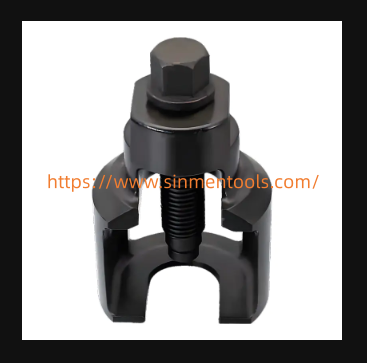
Automotive maintenance frequently involves removing components that have become tightly fitted through repeated operation, mechanical pressure, or long-term exposure to workshop and driving conditions. Gears, pulleys, bearings, and other assembled parts may require controlled extraction before inspection or replacement can take place. In these situations, a Gear Puller provides a practical...