Asia Pacific Logistics Market Trends Driven by Growing E-Commerce and Cross-Border Trade Activities
Infrastructure development is a fundamental driver of logistics activity because transportation networks determine how efficiently goods move between production centers, warehouses, ports, and consumer markets. Governments across Asia Pacific are investing in highways, railways, seaports, airports, inland freight terminals, and logistics parks to improve connectivity and support economic development. These projects can increase freight capacity, reduce transit bottlenecks, and create new opportunities for logistics operators.
The Asia Pacific Logistics Market is supported by infrastructure modernization across major economies, including China, India, Japan, Australia, Indonesia, and Southeast Asian countries. Expanding road networks improve access to industrial areas and retail destinations, while railway projects can provide additional capacity for bulk commodities and long-distance freight. Port development supports international trade by improving container handling, cargo storage, and vessel connectivity.
Road transportation remains essential for regional distribution because trucks provide flexible connections between factories, warehouses, retailers, and final customers. Highway expansion can reduce travel times and improve access to previously underserved industrial and commercial areas. Logistics operators can use improved road connectivity to redesign delivery routes, consolidate shipments, and increase vehicle utilization.
Rail infrastructure investment offers opportunities for more efficient long-distance freight movement. Dedicated freight corridors, upgraded terminals, and improved intermodal facilities can help connect inland manufacturing centers with ports and major consumption regions. Rail can be particularly useful for bulk commodities, industrial materials, containers, and other cargo that can be consolidated into larger shipments. Coordination between rail operators, road carriers, and warehouse providers is necessary to achieve effective multimodal transportation.
Seaport modernization is equally important because Asia Pacific handles substantial volumes of international containerized and bulk trade. Port automation, deeper channels, improved cargo-handling equipment, and expanded storage areas can increase operational capacity. Better connections between ports and inland logistics networks also help reduce congestion and improve the movement of imported raw materials and exported manufactured goods.
Air cargo infrastructure supports time-sensitive and high-value shipments. Airport cargo terminals, temperature-controlled facilities, and specialized handling systems are important for pharmaceuticals, electronics, perishable products, and urgent industrial components. Investments in cargo capacity can improve international connectivity and support industries that depend on rapid transportation.
Logistics parks and industrial corridors are developing alongside major infrastructure projects. These facilities can combine warehousing, freight handling, customs services, and distribution operations in strategically located areas. Their proximity to highways, railways, ports, and manufacturing clusters can improve supply chain coordination.
However, infrastructure projects require substantial capital, land acquisition, regulatory approvals, and long development timelines. Uneven infrastructure quality across countries can also complicate regional logistics planning.
Continued investment in transportation networks and integrated freight infrastructure is expected to support regional logistics development. Operators that align their facilities and transportation services with emerging infrastructure corridors can improve connectivity and serve growing industrial and consumer demand.
Κατηγορίες
Διαβάζω περισσότερα
Gusu Chocolate Conche Supplier is a preferred choice for manufacturers seeking a dependable partner to support chocolate production. Working with a trusted supplier allows businesses to access technical expertise, maintain consistent product quality, and manage production processes more effectively. This partnership ensures that both small-scale and large-scale operations run smoothly while...
When working with agricultural machinery, especially tractors, having the right attachments and replacement components is essential for performance, safety, and efficiency. Among the many important accessories available, the john deere weight bracket plays a key role in balancing equipment and improving traction. At the same time, sourcing reliable components through john deere parts online...

The Chillers Market represents the comprehensive landscape of industrial and commercial cooling innovations, providing the essential technologies that enable precise temperature control, process cooling, and environmental comfort through integrated systems of screw chillers, scroll chillers, centrifugal chillers, air-cooled chillers, and water-cooled chillers designed for maximum energy...

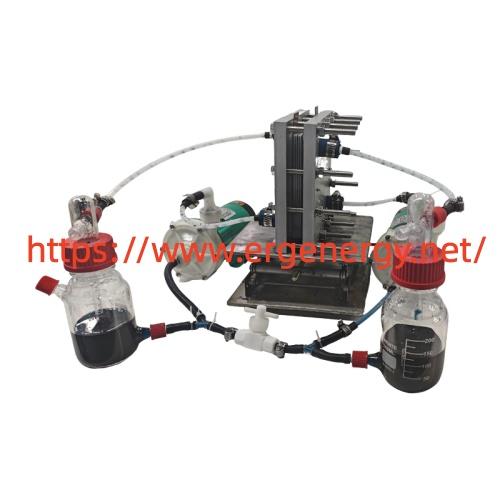
Laboratory-Scale Vanadium Flow Battery Cells offer researchers a practical way to investigate new energy storage designs under controlled experimental conditions. Before an industrial energy storage project moves into equipment integration or field operation, engineers need to understand how different materials, structural arrangements, and operating parameters affect electrochemical behavior....
Экономический рынок sport беттинга в этом году показывает принципиально новомодный уровень конкуренции, где главным прибором привлечения инсайдов стали современные программы награды. Легальные букмекерские конторы всецело отошли от обычных приветственных пакетов, сделав ставку на геймификацию, интерактивные квесты и субъективные награды. Современные платформы анализируют пожелания абонента и...