How Do Costs Affect the Choice Between HIPS Sheet and HDPE Sheet?
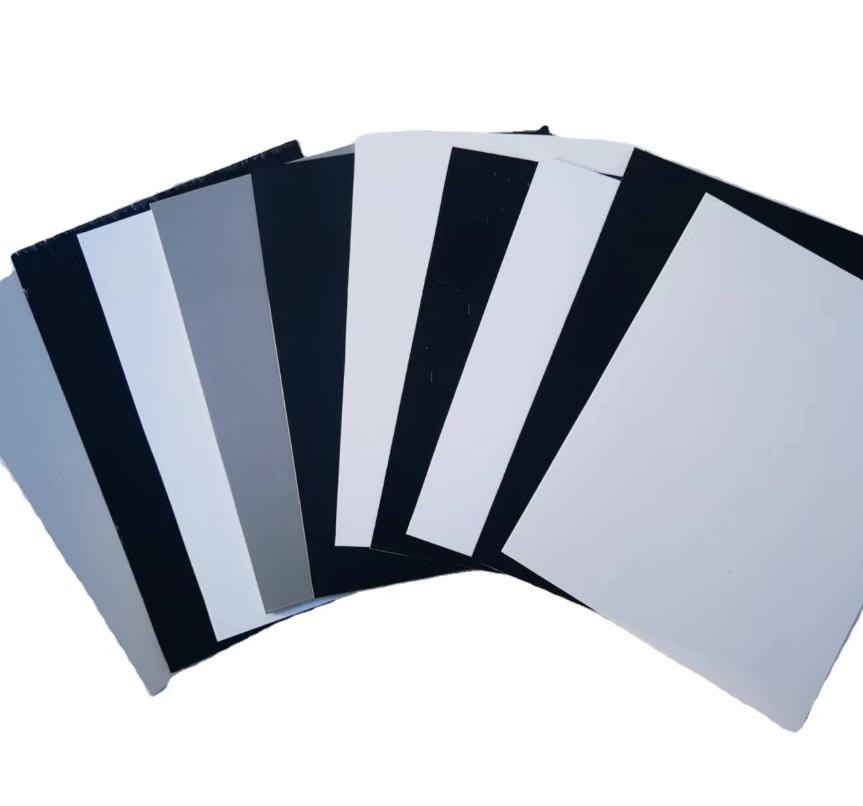
HIPS Sheet and HDPE Sheet are widely used in industries ranging from packaging to structural components, yet each material offers distinct advantages that influence cost and application.
HIPS Sheet is generally more cost-effective for applications requiring ease of shaping and a smooth finish. With a density around 1.04 g/cm³ and standard thicknesses from 0.5 mm to 25 mm, HIPS provides good rigidity and moderate impact resistance. Common industrial applications include signage, display panels, and prototypes. Its machinability and printability reduce processing costs, making HIPS an attractive choice for short-term or indoor projects where chemical exposure is minimal.
HDPE Sheet is more durable in chemically aggressive and wet environments. With densities between 0.93 and 0.97 g/cm³ and thicknesses up to 50 mm, HDPE is preferred for applications such as chemical tanks, protective liners, cutting boards, and outdoor structures. While slightly higher in cost compared to HIPS due to its toughness and chemical resistance, HDPE offers long-term durability, reducing replacement frequency and maintenance costs.
Industrial designers often consider factors like sheet thickness, chemical resistance, and expected lifespan when selecting between HIPS Sheet and HDPE Sheet. HDPE’s flexibility allows for forming large components without cracking, whereas HIPS Sheet is easier to thermoform and produces smoother surfaces for printed or coated applications.
Ultimately, selecting the right material requires balancing upfront cost with performance requirements. HIPS Sheet suits applications emphasizing visual quality and ease of fabrication, while HDPE Sheet excels in industrial applications demanding chemical resistance, moisture tolerance, and extended durability. Proper material selection ensures efficiency, cost-effectiveness, and longevity in manufacturing projects.
Catégories
Lire la suite
Центр МедОсь предоставляет широкий выбор услуг всем пациентам, что разумеется является несомненным достоинством, которое дало возможность клинике стать лидером. Какие конкретно услуги сегодня можно найти в клинике МедОсь? Есть шесть основных разделов: • Косметология; • Бустеры; • Инфузионные процедуры; • Check-up программы; • УЗИ. В случае если привести в пример...

The global Intrinsically Safe Signal Conditioner Market was valued at US$ 234 million in 2024 and is projected to reach US$ 341 million by 2032, expanding at a CAGR of 5.4% during the forecast period 2025–2032. This growth is detailed in a comprehensive new report published by Semiconductor Insight, covering hazardous-area safety, industrial automation, oil and gas, chemical...
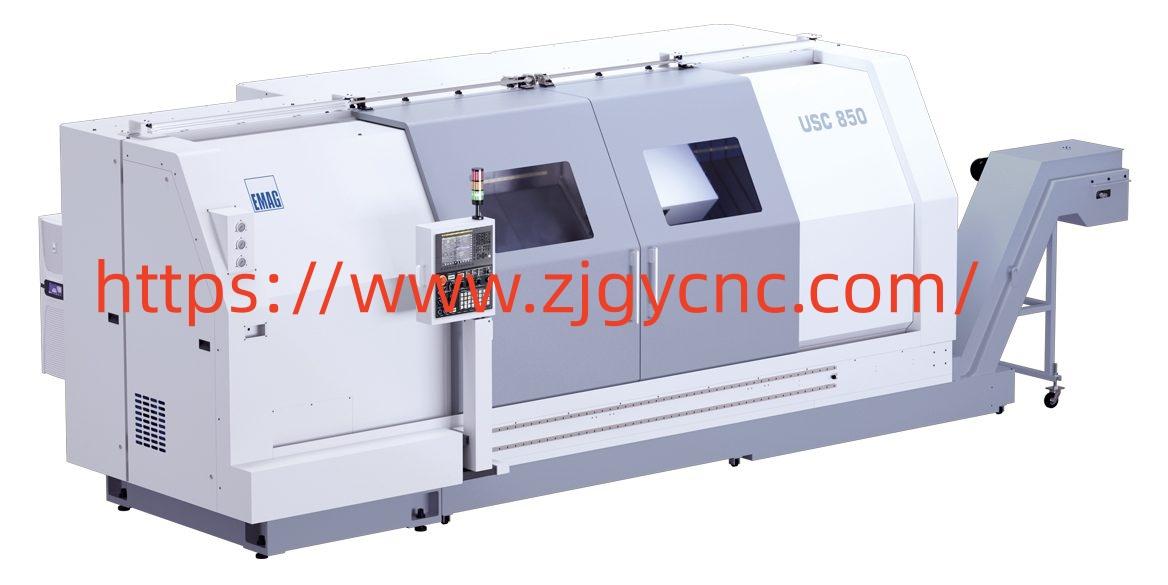
Universal CNC Lathe selection should begin with the actual parts a workshop plans to produce. Buyers should identify workpiece dimensions, material types, machining operations, required tolerances, production quantities, tooling arrangements, and available installation space before comparing machine configurations. This process gives purchasing teams a clearer basis for discussing...
OEM Plastic Trash Bin Factory production supports many modern disposal projects that require customized container solutions for daily operational use. Businesses, municipalities, and facility managers often search for products designed around specific handling conditions rather than relying only on fixed standard models. As recycling systems and sanitation programs continue developing,...
Экслибрис - это редкостный книжный значок, который на протяжении столетий служил основным символом хозяина частной библиотеки. Всегда организованный для защиты книг от утери, в данный момент он превратился в оригинальный элемент оформления, выделяющий статус, профессию и изящный вкус своего носителя. В эпоху многочисленной цифровизации частная коллекция бумажных печатных изданий станет...