Task Management & Business Process Management Software Market CAGR: Growth Analysis

Growth Trajectory and CAGR Analysis
The Task Management & Business Process Management Software Market CAGR reflects the robust expansion trajectory of this essential enterprise software category, demonstrating sustained momentum as organizations prioritize operational efficiency and workflow automation. Understanding the factors driving this growth provides valuable insights for stakeholders seeking to capitalize on emerging opportunities within the workplace productivity and process optimization technology sector. The compound annual growth rate observed across the market underscores the fundamental shift occurring within organizations, where structured work management has transitioned from optional productivity enhancement to essential operational infrastructure. This growth analysis examines the multifaceted drivers, technology trends, and organizational dynamics that collectively shape the market's expansion trajectory and create opportunities for value creation across diverse industries and organization sizes.
Digital Transformation Initiatives Fueling Sustained Investment
Enterprise digital transformation programs represent a primary growth catalyst within the task management and business process management software market, as organizations pursue comprehensive modernization of their operational capabilities. Digital transformation initiatives typically include workflow automation, process standardization, and enhanced visibility as core components, driving demand for platforms that enable these objectives . Organizations recognize that manual processes, fragmented task tracking, and limited operational visibility create inefficiencies and competitive disadvantages in increasingly dynamic markets. Transformation programs often begin with process discovery and documentation, progress through automation and optimization, and mature toward continuous improvement capabilities enabled by analytics and artificial intelligence. Each stage creates demand for task management and BPM capabilities, sustaining investment throughout the transformation journey. The imperative to digitize operations has accelerated across sectors, creating a broad and durable growth driver.
Cloud Adoption Lowering Barriers and Expanding Addressable Market
The transition from on-premises deployments to cloud-based delivery models has significantly expanded the addressable market for task management and business process management software . Cloud platforms eliminate requirements for substantial upfront infrastructure investments, making sophisticated process management capabilities accessible to small and medium enterprises that previously could not justify traditional enterprise software costs. Subscription-based pricing models align costs with usage and value realization, reducing adoption barriers for organizations with limited capital budgets. Cloud deployment also accelerates implementation timelines, enabling organizations to realize value more quickly and reducing the risk associated with technology investments. Vendors benefit from recurring revenue streams that provide greater business predictability while enabling continuous investment in platform enhancement. The cloud transition represents a structural shift in how software is delivered and consumed, creating growth opportunities across market segments.
Automation and Efficiency Priorities Driving Platform Investment
Organizational focus on automation and operational efficiency has intensified, driving investment in platforms that enable process optimization and task coordination . Organizations face pressure to do more with existing resources while maintaining quality and compliance standards, creating demand for tools that reduce manual effort and eliminate redundant activities. Task management capabilities enable better resource allocation and workload balancing, improving productivity without requiring additional headcount. Business process management capabilities enable automation of routine activities, reducing error rates and freeing staff for higher-value work. The combination of these capabilities addresses fundamental organizational challenges including fragmented communication, unclear accountability, and inconsistent process execution. These efficiency imperatives persist across economic cycles, providing a durable foundation for market growth regardless of broader economic conditions.
Strategic Implications for Stakeholders Navigating Market Growth
The growth trajectory of the task management and business process management software market creates significant strategic implications for various stakeholders, from technology vendors to organizations evaluating platform investments. Vendors should prioritize innovation that addresses demonstrated customer priorities while developing capabilities that address emerging requirements including artificial intelligence, advanced analytics, and integration breadth. Organizations should approach platform selection with clear understanding of their specific requirements, ensuring that chosen solutions address current needs while providing flexibility for future requirements. The competitive landscape includes established enterprise software providers, specialized task management vendors, and emerging platforms combining capabilities in novel ways, creating both opportunity and complexity for buyers. Stakeholders who develop comprehensive understanding of market dynamics and growth drivers will be better positioned to capitalize on emerging opportunities and navigate potential challenges.
➤ Latest Market Intelligence from Market Research Future:
Solid State Lighting Source Market
Categorie
Leggi tutto
Автономный ИИ-агент фирмы EmplDocs возможность дает решить много самых разных задач, а так же автоматизировать рабочую рутину. Однако у нового покупателя появляется масса вопросов: как интегрировать автоматизацию задач, как интегрировать, какая цена и другое. Здесь существует два варианта: обратиться к менеджеру фирмы EmplDocs, он проконсультирует вас или собственноручно во всем...

Hornet's Needle is more than a weapon in Hollow Knight: Silksong — it is her steadfast companion through the hostile halls of Pharloom, and players who want to keep its damage relevant will eventually need to chase down Pale Oil. As of 2026, the Pinmaster's Oil quest remains one of the clearest upgrade gates in the game, and it is no cakewalk for anyone who has not yet untangled Bellhart,...

The Battery Separator Market is being transformed by innovations in separator materials. Polyethylene and polypropylene remain widely used, but advanced coatings, composites, and multilayer structures are being developed to meet increasingly demanding battery requirements. Market Research Future segments the market by materials including polyethylene, polypropylene, ceramic-coated, and...
In the world of architectural design, selecting roofing materials that combine durability, aesthetic appeal, and cultural significance is crucial. Chuanya Chinese Roof Tiles offer a compelling solution for homeowners, architects, and developers aiming to create structures that are not only functional but visually striking. How do these traditional yet modern roofing elements meet the...

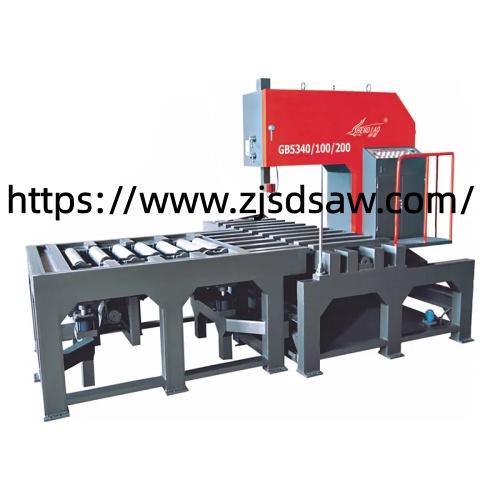
Vertical Metal Cutting Band Saw Machine plays a central role in many fabrication environments where accurate material separation is required. Choosing the appropriate unit involves reviewing several operational factors that influence how well the equipment serves daily requirements. Chendiao develops these systems with focus on functional performance across varied workshop conditions. Capacity...