


How Can a Strix Thermostat Switch Fit Kettle Designs?
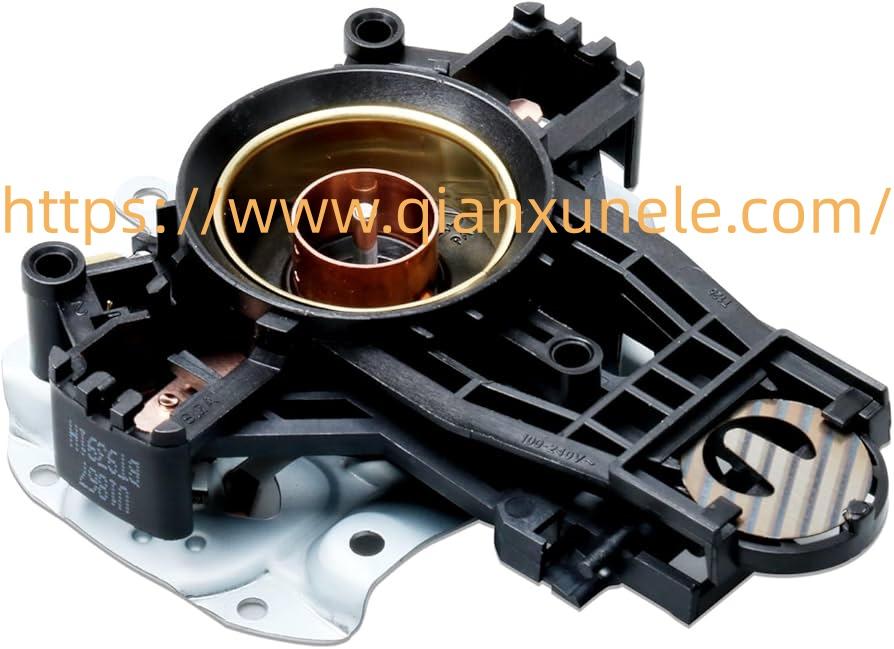
Strix Thermostat Switch selection requires buyers to examine more than the component name or appearance. For electric kettle manufacturers, appliance brands, and international distributors, the purchasing process should begin with the intended application and the technical conditions inside the appliance. Temperature response, steam detection, electrical ratings, mounting structure, and automatic shut-off behavior all deserve attention. Reviewing these details early helps purchasing teams communicate their requirements clearly and avoid unnecessary changes during product development.
Define the Intended Appliance Application
Before requesting a quotation, identify the appliance in which the component will operate. Electric kettles, steam-generating appliances, and other heating products may have different internal layouts and operating conditions. A component suitable for one design should not automatically be assumed to fit another.
Buyers should prepare basic information about the appliance, including its heating method, rated electrical supply, expected operating cycle, and available installation space. If the component is intended for an existing product, photographs and technical drawings can help the manufacturer understand the arrangement.
It is also useful to explain whether the project involves a new appliance design, replacement parts, or regular production orders. Each situation may require a different approach to sample evaluation and technical confirmation.
Examine the Steam Detection Path
In steam-operated kettle designs, vapor travels through a designated channel toward the sensing mechanism. When the appliance reaches the intended boiling condition, the resulting thermal response activates the mechanism and interrupts power to the heating element.
This means that the surrounding appliance structure matters. The steam channel, lid arrangement, internal clearances, and component position can influence how vapor reaches the sensing area. Buyers should therefore evaluate the complete installation rather than considering the control part as an isolated item.
Ask whether the proposed component matches the appliance layout and whether the steam path needs to follow particular structural requirements. During development, sample testing can help identify differences between the expected response and actual appliance behavior.
Verify Electrical and Temperature Parameters
Electrical compatibility should be confirmed before an order is approved. Buyers need to compare rated voltage, rated current, frequency, terminal configuration, and insulation requirements with the appliance specifications. These values should be checked against the actual heating element and applicable product requirements.
Temperature settings also deserve careful attention. Ask about the operating temperature, protection temperature where applicable, and the behavior of the mechanism after activation. Do not assume that two components with similar external dimensions share identical operating characteristics.
For projects involving several appliance models, prepare a separate specification sheet for each version. This makes it easier for the supplier to identify differences and reduces the possibility of mixing components during purchasing or assembly.
Review the Mechanical Structure and Installation
A component may meet the electrical requirements but still be unsuitable if its physical structure does not match the appliance. Buyers should check the overall dimensions, mounting points, terminal positions, connection direction, and available clearance around the installation area.
These details can affect assembly efficiency and the relationship between the sensing area and the steam channel. If the product is intended for a new kettle platform, engineering teams should review the component drawing alongside the appliance design before finalizing the internal structure.
qianxunele can discuss product requirements with buyers during the selection process. Providing drawings, reference samples, and installation photographs can make technical communication more productive and help both sides clarify the intended configuration.
Ask About Testing and Sample Evaluation
A quotation alone cannot demonstrate how a component will behave in a specific appliance. Buyers should ask what inspection procedures are available and which product characteristics are checked before delivery. Depending on the model, relevant checks may involve electrical properties, temperature response, operating performance, insulation, and mechanical condition.
Sample evaluation is also an important stage. Manufacturers can install the proposed component in a representative appliance and observe its behavior under defined operating conditions. This helps confirm whether the sensing arrangement, installation position, and automatic shut-off sequence correspond with the design requirements.
Before testing, agree on the evaluation criteria. Record the appliance conditions, test method, observed response, and any adjustments required. A documented approval process gives both parties a shared reference before larger production quantities are discussed.
Discuss Customization and Supply Arrangements
Some appliance projects require a particular terminal layout, installation structure, temperature setting, or other model-specific detail. Buyers should explain which requirements are fixed and which may allow adjustment. A technical drawing or physical reference sample can support the discussion.
At qianxunele, buyers can communicate their application details and discuss suitable component arrangements with the team. Before confirming customization, clarify the sample schedule, specification approval process, minimum order quantity, and estimated production period. These points are especially relevant when a project involves several appliance models or planned repeat purchases.
Packaging and product identification should also be discussed. Clear model labels and organized specifications can help receiving teams distinguish different versions and manage inventory during assembly.
Prepare a Purchasing Checklist Before Approval
Before confirming the order, bring the technical and commercial information together. Check that the selected model matches the appliance application, electrical requirements, temperature behavior, installation dimensions, and agreed sample results. Confirm that the quotation and product documentation refer to the same specifications.
Buyers should also keep a record of approved drawings, sample feedback, packaging instructions, and delivery arrangements. This information can support communication when the next order is placed or when production requirements change.For appliance manufacturers and distributors, careful component selection starts with clear technical information and continues through testing, approval, and supply coordination. By reviewing the steam path, electrical parameters, mounting arrangement, and order requirements before production, purchasing teams can make decisions based on actual application needs. To discuss product options, technical drawings, or a sourcing project, visit qianxunele at https://www.qianxunele.com/product/ and share your appliance requirements with the team.
Catégories
Lire la suite
Разработка уютного, модного и долговечного интерьера неизменно начинается с выбора высококачественного напольного покрытия. Пол повседневно подвержен серьезным перегрузкам, именно поэтому стройматериал должен быть не только лишь распрекрасным, но и стойким к износу, влаге и механическим поломкам. В Красноярске высококлассное решение данной задачи предлагает специализированный салон "Mr.Пол",...

The paints and coatings sector is an important application area for nano silica because the material can improve several performance characteristics, including hardness, scratch resistance, durability, surface protection, and UV resistance. Coating manufacturers are increasingly seeking advanced additives that can help products withstand demanding environmental conditions while delivering...

In modern industrial and cleanroom construction, Polyphen Sandwich Panel solutions have gained recognition, and yd-purification is known for advanced manufacturing and design, so how does this material improve building performance and efficiency? Sandwich panels offer a unique combination of strength, insulation, and durability. Their layered structure consists of a rigid core sandwiched...

According to the latest report published by Data Bridge Market Research, the Glioblastoma Multiforme Treatment Market size is projected to reach USD 6.44 Billion by 2032, exhibiting a CAGR of 8.90% during the forecast period 2025 - 2032. This Glioblastoma Multiforme Treatment Market research report has been formed with a nice blend of industry insight, smart and practical...

LCD displays remain one of the most widely used screen technologies in homes, offices, and commercial environments. They are valued for their clear image quality, long lifespan, and affordable prices. Before purchasing an LCD display, it is important to understand product differences, key buying factors, and the role of after-sales support.Get more news about LCD display,you can vist our...