Wireless Charging Recievers Market to Reach USD 26.24 Billion by 2034 as Contactless Power Adoption Expands
The wireless power industry is placing greater emphasis on convenient charging interfaces across consumer electronics, automotive equipment and specialized professional devices. As manufacturers seek to reduce exposed connectors and support sealed product designs, wireless charging receivers remain an important part of the contactless power-transfer ecosystem.
According to SemiconductorInsight, the Global Wireless Charging Recievers Market was valued at USD 16,767.8 million in 2025 and is projected to reach USD 26,236.2 million by 2034, growing at a CAGR of 5.1% over the 2026–2034 forecast period. Wireless charging receivers accept energy transferred through a magnetic or electromagnetic link and convert it into electrical power for a battery, sensor or other load. North America leads the market with an estimated share of approximately 36%.
Explore the complete Wireless Charging Recievers Market analysis: https://semiconductorinsight.com/report/wireless-charging-recievers-market/
Why Is Wireless Charging Recievers Market Important in Semiconductor Manufacturing?
Wireless charging receivers perform the receiving-side function in a contactless power system. They capture energy from a compatible transmitter and convert it into usable electrical output through rectification, voltage regulation and associated control circuitry.
Inductive receivers are widely used in smartphones, earbuds, watches and other consumer devices because they operate with nearby charging surfaces and established product ecosystems. Magnetic resonance and radio-frequency approaches serve different installation geometries and power requirements.
The receiver market therefore includes several technology classes rather than a single interchangeable product category. A low-power RF energy harvester for a sensor has different operating conditions from an inductive receiver designed for a smartphone or a resonant system used in professional equipment.
The receiver is the equipment on the receiving side of the link, not the charging base that supplies energy. Depending on the buyer's procurement level, the market can include a semiconductor device, an assembled coil-and-controller module or a qualified component within larger equipment.
Market Growth Is Closely Linked to Industry Adoption
Consumer electronics represent the largest application area in the Wireless Charging Recievers Market, accounting for approximately 54% of revenue. Smartphones, earbuds, tablets and other battery-operated products support demand for receiver components and modules as manufacturers integrate contactless charging into more device categories.
Inductive technology is the leading type, accounting for approximately 70% of the market. Its position is supported by close-coupled consumer charging applications and established compatibility ecosystems. Magnetic Resonance represents around 22%, while Radio Frequency accounts for approximately 8%.
Automotive applications create additional demand for receiver hardware in vehicle charging compartments and specialized vehicle-side power pickups. These systems require validation for vibration, magnetic alignment, temperature and electrical disturbances before they become approved vehicle components.
Healthcare and professional equipment provide further opportunities where sealed devices or portable instruments can benefit from contactless power. Such applications require product-specific assessment of electrical safety, hygiene, thermal behavior and applicable certification.
Receive your Free Sample Report today: https://semiconductorinsight.com/download-sample-report/?product_id=82075
Inductive Charging Continues to Lead the Technology Landscape
The report segments the market into Magnetic Resonance, Inductive and Radio Frequency. Inductive receiving uses a nearby transmitter coil and conversion electronics, while magnetic resonance relies on tuned electrical networks designed around a particular geometry and coupling arrangement.
Inductive technology accounts for approximately 70% of the market, supported by established Qi-compatible product platforms and consumer electronics use. Magnetic Resonance represents around 22%, with applications where alignment tolerance, operating geometry or installation packaging requires a different coupling arrangement.
Radio Frequency receivers account for approximately 8%. These systems collect electromagnetic energy through an antenna and rectifying electronics, generally at much lower usable power levels than magnetic charging systems. They can support battery-free sensors and intermittent low-power functions, subject to field strength, duty cycle and regulatory conditions.
Consumer Electronics and Automotive Create Additional Demand
By application, Consumer Electronics leads with approximately 54% of market value. Automotive accounts for around 20%, Healthcare about 15% and Others approximately 11%. These application groups have different power, packaging, safety and qualification requirements.
Consumer electronics include phones, earbuds, tablets and other battery-operated devices that can benefit from a convenient contactless receiving interface. Receiver selection depends on efficiency, compatibility, protection functions and lifecycle supply commitments, while enclosure design affects coil distance and heat dissipation.
Automotive, healthcare and industrial applications broaden the market. Vehicle systems require attention to vibration and electrical disturbances, healthcare devices require relevant safety and hygiene assessment, and industrial sensing may use RF harvesting for intermittent low-power operation.
Control and System Qualification Are Becoming More Important
Receiver development depends on coordinated control of rectification, voltage regulation, communication and thermal protection. The receiving circuit must be tuned and tested with the intended charging transmitter because coil geometry, enclosure materials and magnetic alignment affect delivered power.
The technology classes must not be conflated. A 915MHz RF harvesting device used to power a remote sensor behaves differently from a 15W magnetic receiver inside a phone. Their output profiles, unit prices, protection needs and testing arrangements vary substantially.
Integration Flexibility Is an Important Market Consideration
Wireless receiving can reduce reliance on exposed charging connectors and support sealed or compact device designs. This can be useful in portable electronics, selected healthcare equipment and industrial devices where connector wear or enclosure protection is an important consideration.
The economic case depends on the complete receiver assembly, including the semiconductor, coil, regulation circuitry and integration requirements. A receiver chip alone does not include the coil, housing or battery, and system-level performance depends on the matched transmitter.
Different receiver technologies also serve different power budgets. RF harvesting may provide intermittent energy for sensors but should not be treated as a substitute for a higher-power inductive receiver used in a phone or other portable device.
Access the Full Report for In-Depth Insights: https://semiconductorinsight.com/report/wireless-charging-recievers-market/
Technical Integration and Qualification Remain Key Challenges
Receiver performance can be affected by coil misalignment, enclosure thickness, heat and differences between charging transmitters. Manufacturers must qualify the complete power link under realistic operating conditions instead of relying solely on a receiver chip's nominal power rating.
The market includes technologies with substantially different power profiles. RF harvesting may provide intermittent energy for sensors, while inductive and resonant systems support other operating conditions. Direct unit comparisons can therefore be misleading.
Supplier comparisons must identify whether a company provides a receiver semiconductor, a module, a complete charging mat or an integrated power system. A brand's association with wireless charging does not establish that all of those parts are sold by the same company.
Healthcare and automotive applications add further qualification requirements. Product-specific certification, electromagnetic compatibility, vibration, hygiene and thermal testing may be necessary before a receiver can be used in the intended equipment.
Where Are the Biggest Opportunities Emerging?
Consumer electronics remain a central opportunity as wireless charging becomes familiar across smartphones, earbuds and wearables. Compact receiver packages, integrated rectification and improved protection functions can support new product designs and more reliable charging experiences.
Automotive and healthcare equipment offer additional opportunities where contactless power can improve connector durability or support sealed enclosures. Their adoption depends on validated receiver performance and qualification for the relevant operating environment.
RF energy harvesting may serve distributed sensing applications where battery replacement is difficult. Its commercial case depends on available field strength, useful energy density, transmitter infrastructure and the duty cycle required by the sensor.
Wireless Charging Recievers Market Segmentation
The report evaluates the market by technology type and application, providing a detailed view of where products and components are deployed.
By type, the market is divided into:
· Magnetic Resonance
· Inductive
· Radio Frequency
By application, the market covers:
· Automotive
· Consumer Electronics
· Healthcare
· Others
This segmentation is relevant because the technical requirements of each application can differ substantially. Product selection depends on operating conditions, integration requirements, power profile and the qualification needs of the end equipment.
View the complete market segmentation and forecast: https://semiconductorinsight.com/report/wireless-charging-recievers-market/
Regional Wireless Charging Recievers Market Outlook
North America leads the Wireless Charging Recievers Market with an estimated 36% share and approximately 4.1% annual expansion. The region's position reflects established consumer electronics demand and receiver requirements across professional equipment.
Asia-Pacific follows with approximately 30% of the market and an estimated 6.1% CAGR. China, Taiwan, South Korea, Japan and Southeast Asia contribute different design and manufacturing functions, linking component production with smartphone, wearable and portable accessory integration.
Europe accounts for around 22% of market value, with an estimated CAGR of 4.4%. Its receiving applications include portable electronics, automotive interior charging and professional equipment where electromagnetic compliance and durable power transfer matter.
South America represents approximately 8% of the market, while the Middle East and Africa account for around 4%. Smaller geographic markets depend more heavily on imported receiving equipment, downstream distribution and application-specific installation requirements.
Competitive Landscape and Key Companies
The report's competitive roster includes Energizer, Powercast, Samsung, Elix Wireless, Evatran, Energous and Zens. These businesses participate at different levels of the value chain, including consumer devices, RF energy harvesting, charging accessories and related power-transfer systems.
Powercast documents RF power-harvesting devices that accept radio energy and provide regulated low-power output for sensors or intermittent functions. Energous focuses on wireless power networks and battery-free tags, while Samsung offers consumer devices that contain wireless receiving functions.
More directly verifiable receiver IC technology is also available from STMicroelectronics, Texas Instruments and Infineon. Supplier assessment should distinguish an IC, a receiver assembly, a complete charging pad and an integrated power system, while checking current product specifications and ordering status.
What Does the Wireless Charging Recievers Market Report Cover?
The Semiconductor Insight study provides analysis of market size, sales, revenue, technology segmentation, application demand, regional performance and competitive positioning. It examines receiver-side hardware and relevant equipment across inductive, magnetic resonance and radio-frequency technologies.
The report evaluates the market by type and application and considers the different operating conditions of each receiver class. It also reviews rectification, voltage regulation, communication, thermal protection, coil alignment and the qualification requirements of finished products.
Regional coverage includes North America, Europe, Asia-Pacific, South America, and the Middle East and Africa. Country-level analysis includes the United States, Canada, Mexico, China, Taiwan, South Korea, Japan, India, Southeast Asia, Germany, France, the United Kingdom, Brazil, the UAE, Saudi Arabia and South Africa.
Key Questions Answered by the Study
The report helps industry participants evaluate questions including:
· What is the current Wireless Charging Recievers Market size?
· How large will the market become by 2034?
· What is the expected CAGR over the 2026–2034 forecast period?
· Which region accounts for the largest market share?
· Which wireless charging technology leads the market?
· How do inductive and magnetic resonance receivers differ?
· What role does RF energy harvesting play?
· Which application segment represents the largest share?
· How are automotive and healthcare applications influencing demand?
· What technical factors affect receiver efficiency and compatibility?
· Which companies are covered in the competitive landscape?
· What are the main challenges affecting receiver integration and adoption?
Explore the full market forecast and competitive analysis: https://semiconductorinsight.com/report/wireless-charging-recievers-market/
Get a Sample Report copy for free: https://semiconductorinsight.com/download-sample-report/?product_id=82075
About Semiconductor Insight
Semiconductor Insight provides market intelligence and industry research covering semiconductor technologies, electronic components, advanced manufacturing systems and related technology markets. Its research focuses on market sizing, forecasting, competitive landscapes, technology trends, segmentation and regional analysis to support strategic decision-making across the semiconductor ecosystem.
Contact Semiconductor Insight
Website: www.semiconductorinsight.com
Categorias
Leia Mais
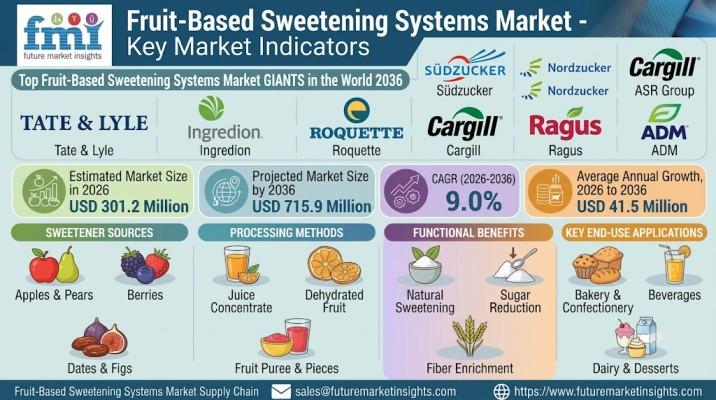
NEWARK, Del., November 18, 2026 — The global fruit-based sweetening systems market is witnessing strong growth as food and beverage manufacturers increasingly explore fruit-derived sweetening solutions to meet rising demand for natural ingredients, clean-label formulations, and reduced reliance on conventional refined sugars. Growing consumer preference for recognizable...
SPC Flooring Factory selection requires more than comparing product pictures and quotation prices. Importers, wholesalers, distributors, and project contractors should examine how a supplier manages materials, technical specifications, sample approval, production arrangements, and shipment preparation. These details help buyers understand what they are purchasing and whether the proposed...

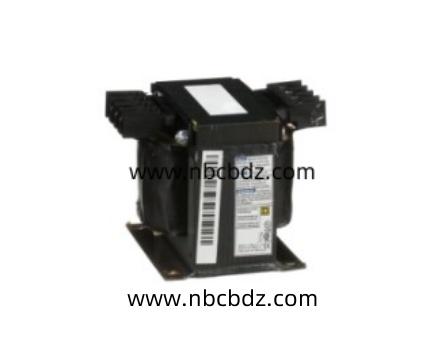
In discussions around space-conscious electrical solutions, Chuangbiao Square Transformer Factory is often mentioned together with the brand Nbcbdz when structure, balance, and orderly integration are under review. Rather than focusing solely on appearance, many professionals consider how form, layout, and manufacturing discipline interact to support real operational needs across different...
The global automotive brake rotors market is experiencing significant growth, driven by increasing vehicle production and the rising demand for high-performance braking systems. The Automotive Brake Rotors market was estimated at USD 48.5 billion in 2024. The industry is projected to grow from USD 51.0 billion in 2025 to USD 84.2 billion by 2035, exhibiting a compound annual growth...

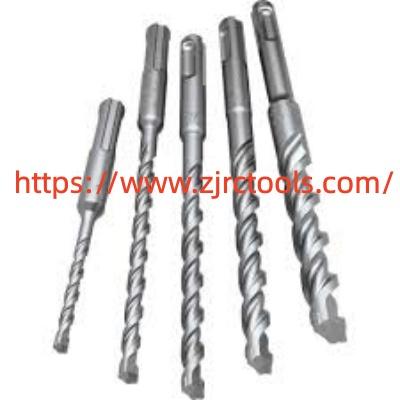
Hammer Drill Bit is commonly used in construction, renovation, and installation work where hard surfaces require steady penetration. Many users expect the same drilling pace throughout its service life, yet over time they may notice that progress becomes slower. This change is often related to several practical factors rather than a single problem, making it important to evaluate both the...