AI-Assisted SiC Crystal Growth for AI Power Devices Market to Reach USD 1,140 Million by 2034 as Intelligent Manufacturing Advances
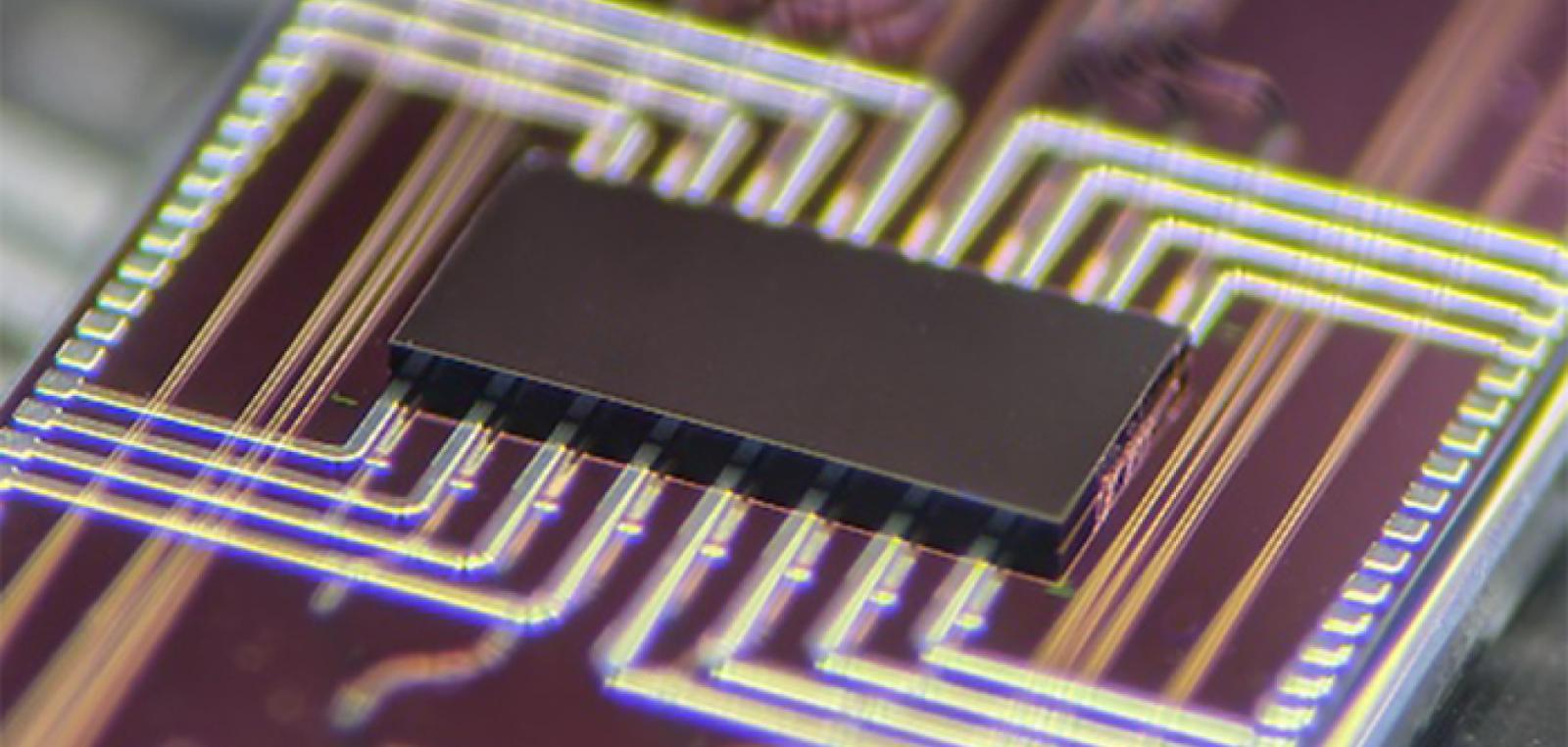
The growing demand for high-efficiency power semiconductor devices is increasing interest in advanced silicon carbide (SiC) crystal-growth technologies. Silicon carbide is an important wide-bandgap semiconductor material used in high-voltage power electronics, electric-vehicle drivetrains and energy-conversion systems. As semiconductor manufacturers seek improved crystal quality and higher production yields, artificial intelligence is becoming an important tool for optimizing crystal-growth processes.
According to Semiconductor Insight, the global AI-Assisted SiC Crystal Growth for AI Power Devices Market was valued at USD 480.0 million in 2025 and is expected to reach USD 1,140.0 million by 2034, representing a CAGR of 10.1% during the 2026–2034 forecast period. Asia-Pacific accounts for approximately 40% of market demand, supported by regional SiC substrate production, power-semiconductor manufacturing and investment in advanced crystal-growth capabilities.
Explore the complete AI-Assisted SiC Crystal Growth for AI Power Devices Market analysis:
https://semiconductorinsight.com/report/ai-assisted-sic-crystal-growth-for-ai-power-devices-market/
Why Is AI-Assisted SiC Crystal Growth Becoming Important in Power Semiconductor Manufacturing?
Silicon carbide crystal growth is a technically demanding process because material quality depends on temperature distribution, vapor transport, growth conditions and defect formation. Physical Vapor Transport (PVT) is commonly used to produce bulk SiC single crystals for downstream wafer manufacturing.
AI-assisted crystal-growth technologies combine machine-learning models with conventional manufacturing processes to analyze furnace conditions and support process optimization. These systems can use sensor information, historical production data and computational simulations to identify conditions associated with crystal defects.
The ability to improve temperature control, predict nucleation conditions and identify defect-related patterns can support more consistent crystal production. This is particularly relevant to power semiconductor devices that must operate under high-voltage and high-temperature conditions.
As manufacturers move toward larger-diameter SiC substrates, intelligent process monitoring and defect-management technologies are becoming increasingly important to production economics.
Growing Demand for High-Efficiency Power Electronics Is Supporting Market Expansion
The increasing adoption of electric vehicles and renewable-energy systems is creating demand for power semiconductor devices capable of handling higher voltages with lower conduction losses.
Silicon carbide materials are particularly relevant to these applications because of their electrical and thermal properties. Improvements in crystal-growth quality can help manufacturers produce substrates suitable for advanced power-device fabrication.
The report identifies demand from AI data-center accelerators and electric-vehicle powertrains as important contributors to market development.
As semiconductor manufacturers increase investment in high-efficiency power conversion, AI-assisted crystal-growth systems are gaining attention as tools for improving upstream material production.
Machine Learning Is Improving Crystal-Growth Process Optimization
Machine-learning algorithms can analyze furnace data and computational simulations to identify temperature gradients and other process conditions that influence crystal quality.
The market's leading technology category is Machine-Learning Optimized Growth, accounting for approximately 42% of market spending. AI-Driven Defect Detection represents around 32%, while Hybrid Physical-AI Process Control accounts for approximately 26%.
These technologies provide different capabilities. Machine-learning optimization supports process and growth-rate analysis, defect-detection systems identify material imperfections, and hybrid systems combine physical process models with intelligent feedback mechanisms.
Their integration is helping manufacturers evaluate production conditions more systematically and improve the repeatability of crystal-growth operations.
Receive your Free Sample Report today:
https://semiconductorinsight.com/download-sample-report/?product_id=152797
SiC Defect Detection Is Becoming an Important Manufacturing Priority
Crystal defects can affect the electrical characteristics, reliability and usable yield of silicon carbide substrates. Manufacturers therefore require inspection and monitoring technologies capable of identifying defects during and after the crystal-growth process.
AI-driven defect-detection systems can analyze optical images, X-ray inspection results and other material-characterization information to identify micropipes, dislocations, inclusions and edge-related problems.
These systems can support more informed decisions regarding substrate quality and downstream processing.
However, automated defect classification must be validated against physical inspection and electrical measurements. Reliable calibration and traceable quality records remain essential for industrial implementation.
Larger-Diameter Substrates Are Increasing Process-Control Requirements
The transition toward larger SiC substrate diameters is creating additional challenges for crystal-growth manufacturers. Changes in crucible dimensions, thermal distribution and boule geometry can influence defect formation and production yield.
The report highlights the increasing commercial importance of moving from 150-millimeter substrates toward 200-millimeter SiC production.
Wolfspeed introduced a premium 200-millimeter n-type SiC substrate in September 2026, while Infineon and Wolfspeed extended their supply relationship in October 2026 to include the larger diameter.
These developments highlight the importance of improving crystal consistency, defect control and production repeatability as the industry advances toward larger substrate formats.
Access the Full Report for In-Depth Insights:
https://semiconductorinsight.com/report/ai-assisted-sic-crystal-growth-for-ai-power-devices-market/
Manufacturing Investment and Data Reliability Remain Key Challenges
AI-assisted crystal-growth systems require reliable furnace measurements, historical production records and accurate computational models. Incomplete data or changes in furnace conditions can affect the reliability of machine-learning predictions.
Manufacturers must also consider graphite-component ageing, insulation changes, chamber variations and the effect of different production recipes.
Another challenge involves the qualification of AI-assisted process-control systems. Semiconductor manufacturers generally require validation against physical crystal measurements before allowing automated systems to influence production settings.
The cost of advanced equipment, specialized engineering expertise and extended qualification cycles can also influence adoption, particularly among smaller manufacturers.
Where Are the Biggest Opportunities Emerging?
The expansion of AI data centers represents an important opportunity because advanced computing infrastructure requires efficient power-conversion systems and reliable semiconductor components.
Electric-vehicle powertrains provide another important application area, supported by demand for high-voltage and high-efficiency power electronics.
Industrial power conversion and renewable-energy inverters also create opportunities for silicon carbide materials and associated crystal-growth technologies.
Suppliers developing machine-learning optimization, defect-detection software and hybrid process-control systems may benefit from increasing investment in SiC manufacturing capacity and larger-diameter substrate production.
AI-Assisted SiC Crystal Growth for AI Power Devices Market Segmentation
The report evaluates the market by technology type, application, end-user, process integration and device category, providing a detailed understanding of the market's development.
By type, the market is divided into:
-
Machine-Learning Optimized Growth
-
AI-Driven Defect Detection
-
Hybrid Physical-AI Process Control
By application, the market covers:
-
Data-Center AI Accelerators
-
Electric-Vehicle Power Trains
-
Industrial Power Conversion
-
Renewable Energy Inverters
Additional classifications include semiconductor fabricators, OEMs of AI-enabled power systems and edge-computing system integrators. Process-integration categories include inline sensor fusion, closed-loop AI control loops and post-growth AI-based metrology.
The report also evaluates device categories such as high-voltage switches, SiC MOSFETs for AI power modules and integrated SiC power ICs.
View the complete AI-Assisted SiC Crystal Growth for AI Power Devices Market segmentation and forecast:
https://semiconductorinsight.com/report/ai-assisted-sic-crystal-growth-for-ai-power-devices-market/
Regional AI-Assisted SiC Crystal Growth for AI Power Devices Market Outlook
Asia-Pacific leads the market with approximately 40% of 2025 expenditure, supported by silicon carbide substrate manufacturing, semiconductor fabrication and investment in advanced production equipment.
Europe represents approximately 23% of the market, benefiting from established automotive semiconductor manufacturers, power-electronics development and investments in SiC technologies.
North America accounts for around 22% of market activity, supported by semiconductor manufacturing, SiC materials development and high-efficiency power-device investment.
Latin America contributes approximately 8%, with emerging opportunities associated with power-electronics research, industrial applications and renewable-energy development.
The Middle East and Africa account for approximately 7% of market activity. Regional opportunities are associated with industrial electrification, renewable-energy systems and developing semiconductor-related research capabilities.
Competitive Landscape and Key Companies
The AI-Assisted SiC Crystal Growth for AI Power Devices Market includes silicon carbide material manufacturers, semiconductor companies, power-device suppliers and specialized research organizations.
Semiconductor Insight identifies the following companies among the participants covered in the competitive landscape:
-
Wolfspeed
-
Infineon Technologies
-
ON Semiconductor
-
STMicroelectronics
-
ROHM Semiconductor
-
NXP Semiconductors
-
Mitsubishi Electric
-
Sumitomo Electric
-
Toshiba
-
Renesas Electronics
-
Texas Instruments
-
GlobalFoundries
-
Analog Devices
-
Microchip Technology
-
Skyworks Solutions
Competition is influenced by crystal-growth expertise, process-control capabilities, defect detection, substrate quality and the ability to integrate AI-based optimization into existing production systems.
The report also highlights the importance of distinguishing semiconductor manufacturers and substrate producers from specialized suppliers of AI process-control software. Their participation in the SiC ecosystem does not necessarily establish that every company sells a dedicated AI crystal-growth system.
What Does the AI-Assisted SiC Crystal Growth for AI Power Devices Market Report Cover?
The Semiconductor Insight study provides analysis of market size, revenue forecasts, competitive positioning, industry dynamics, segmentation and regional performance.
The report examines machine-learning optimization, AI-driven defect detection, hybrid physical-AI process control and developments in silicon carbide crystal-growth technologies. It also evaluates temperature-gradient optimization, furnace simulation, defect management, substrate quality and manufacturing considerations.
The study provides detailed segmentation by technology, application, end-user, process integration and device category, covering North America, Europe, Asia-Pacific, Latin America, and the Middle East and Africa.
Key Questions Answered by the Study
The report helps industry participants evaluate questions including:
-
What is the current AI-Assisted SiC Crystal Growth for AI Power Devices Market size?
-
How large will the market become by 2034?
-
What is the expected CAGR during 2026–2034?
-
Which AI-assisted crystal-growth technology accounts for the largest market share?
-
How does machine learning improve SiC crystal-growth processes?
-
What role does AI-driven defect detection play in substrate manufacturing?
-
How is the expansion of AI data centers influencing demand?
-
What role do electric-vehicle powertrains play in market development?
-
How is the transition toward 200-millimeter substrates affecting manufacturing?
-
What are the major challenges associated with AI-based process control?
-
Which regions represent important markets?
-
Who are the leading companies profiled in the competitive landscape?
Explore the full AI-Assisted SiC Crystal Growth for AI Power Devices Market forecast and competitive analysis:
https://semiconductorinsight.com/report/ai-assisted-sic-crystal-growth-for-ai-power-devices-market/
Get a Sample Report copy for free:
https://semiconductorinsight.com/download-sample-report/?product_id=152797
About Semiconductor Insight
Semiconductor Insight provides market intelligence and industry research covering semiconductor technologies, electronic components, advanced manufacturing systems and related technology markets. Its research focuses on market sizing, forecasting, competitive landscapes, technology trends, segmentation and regional analysis to support strategic decision-making across the semiconductor ecosystem.
Contact Semiconductor Insight
Website: https://semiconductorinsight.com/
Categories
Read More
Pathological diagnosis is the cornerstone of modern medicine, providing the critical insights needed to diagnose diseases, guide treatment decisions, and monitor patient outcomes. The Pathological Diagnosis Market is experiencing steady growth, driven by the increasing prevalence of chronic diseases, technological advancements, and the growing demand for early diagnosis. From histopathology and...

The safe handling, treatment, and disposal of hazardous waste essential for environmental protection and public health is being enabled by hazardous waste management services that prevent contamination and ensure regulatory compliance across industrial, medical, and commercial generators. According to Market Research Future, the Hazardous Waste Management Market reached USD 56.71 billion...

Reusable drinkware has become an important part of modern daily routines, from morning commutes and office breaks to outdoor activities and weekend travel. When evaluating products from a Stainless Steel Drink Bottle Factory, buyers should consider how material selection, structural design, and functional details influence the complete drinking experience. A bottle may look appealing when...

Importing doors from overseas suppliers places unusual demands on buyers, who must judge quality from samples, photographs, and documentation rather than from a warehouse they can visit on a Tuesday afternoon. Shipping distances, time zone gaps, and the cost of resolving problems after a container arrives all raise the stakes on supplier selection. For distributors and project buyers evaluating...

Quality control plays a critical role in ensuring the performance and durability of Jacquard Elastic Band. Because it is used in garments, accessories, and industrial textiles, consistent performance under stress is essential. One of the primary tests is elasticity recovery. The band is stretched to a defined elongation (commonly 150%) and then released. High-quality products should return...