


Wireless Charging Transmitter Module Market to Reach USD 4,479.9 Million by 2034 as Magnetic Alignment and Faster Charging Expand
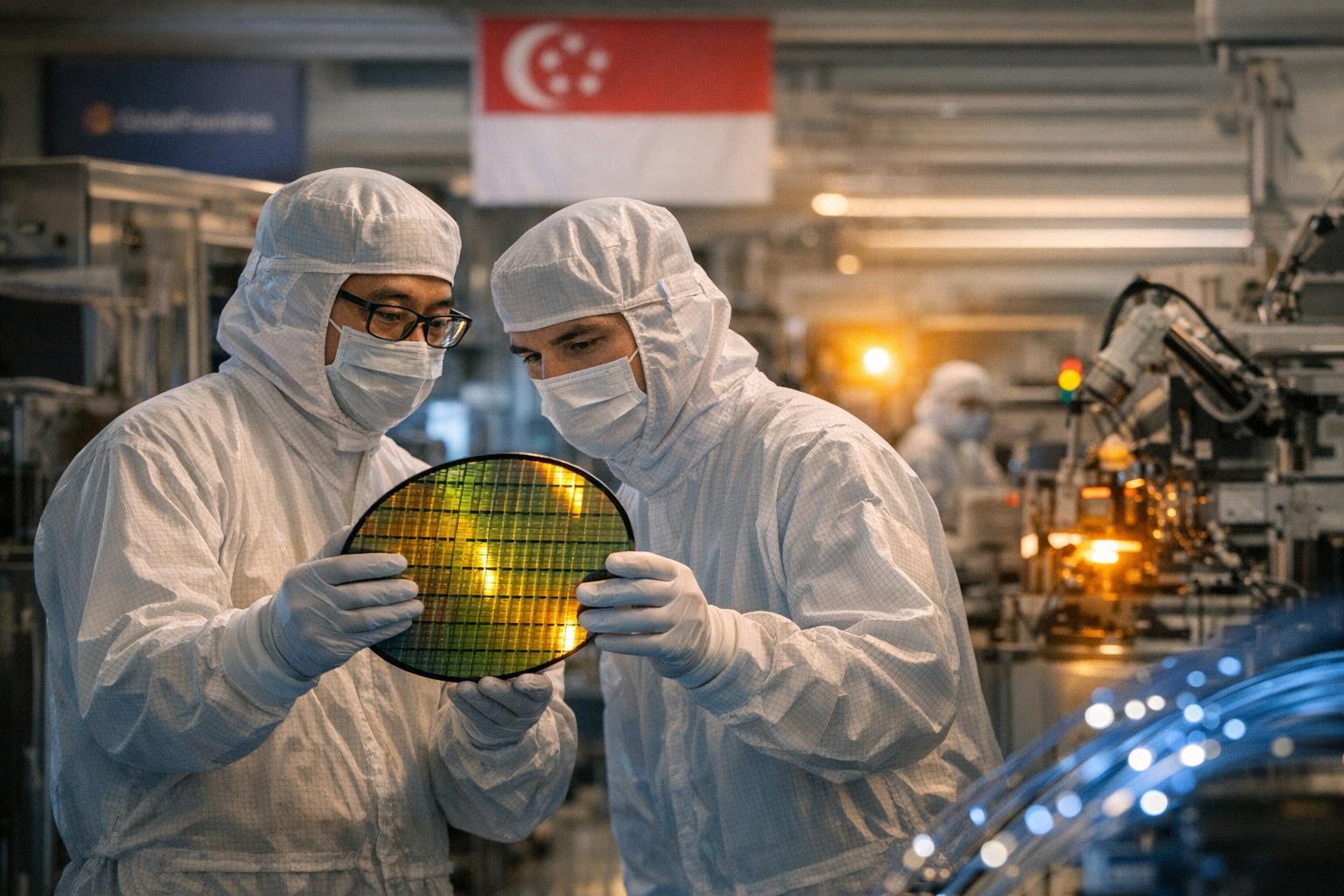
The growing adoption of wireless charging across smartphones, tablets, wearables and automotive applications is increasing demand for advanced transmitter modules. These functional assemblies combine power-control electronics, switching components, resonant coils and magnetic shielding to enable efficient wireless energy transfer. The increasing integration of wireless charging into consumer electronics and vehicle interiors is encouraging manufacturers to develop more compact, reliable and higher-power transmitter solutions.
According to Semiconductor Insight, the global Wireless Charging Transmitter Module Market was valued at USD 1,633.2 million in 2025 and is forecast to reach USD 4,479.9 million by 2034, expanding at a CAGR of 11.9% during the 2026–2034 forecast period. Asia-Pacific represents the largest regional market, accounting for approximately 38% of 2025 sales, supported by China's wireless-charging accessory assembly ecosystem and the concentration of electronics component manufacturing across East Asia.
Explore the complete Wireless Charging Transmitter Module Market analysis:
https://semiconductorinsight.com/report/wireless-charging-transmitter-module-market/
Why Is Wireless Charging Transmitter Module Technology Becoming Important in Consumer Electronics?
Wireless charging transmitter modules play an essential role in contactless power-transfer systems because they generate the alternating magnetic field required to transfer energy to compatible receiving devices. Unlike individual controller ICs, these modules combine the electrical and magnetic components needed to operate as functional transmitter assemblies.
Their performance depends on several engineering factors, including coil geometry, magnetic alignment, switching efficiency, foreign-object detection and thermal management. These requirements become increasingly important as manufacturers introduce higher-power wireless charging solutions and integrate charging systems into smaller electronic devices.
The adoption of Qi-compatible charging technologies has further strengthened the importance of standardized transmitter modules. The introduction of Qi2 magnetic alignment and higher-power charging capabilities is encouraging manufacturers to improve interoperability, charging stability and overall system performance.
As wireless charging expands across smartphones, automotive interiors, furniture and specialized electronic equipment, transmitter modules are becoming an important component of the broader wireless-power ecosystem.
Smartphone Adoption and IoT Expansion Are Driving Market Growth
The increasing penetration of smartphones equipped with wireless charging capabilities remains an important demand driver. Smartphone manufacturers are integrating wireless charging into premium and mid-range devices, encouraging accessory manufacturers to expand their transmitter-module offerings.
The expansion of the Internet of Things ecosystem is creating additional applications. Smart home devices, connected sensors and wearable products can benefit from wireless power solutions that reduce dependence on physical connectors and improve product durability.
Multi-device charging technologies are also expanding the potential application base. Transmitter assemblies capable of supporting multiple receiving devices are creating opportunities across consumer electronics and automotive applications.
Magnetic Alignment and Higher Charging Power Are Reshaping Product Development
The development of Qi2 magnetic charging technology is influencing transmitter-module engineering. Magnetic alignment improves the positioning between transmitting and receiving coils, helping maintain consistent power transfer.
The 10W transmitter-module category represents approximately 37% of 2025 market revenue, while 15W modules account for around 34%. The 15W category is experiencing faster growth as manufacturers introduce improved magnetic charging solutions.
The expansion toward Qi2 25W charging is creating additional requirements involving power negotiation, foreign-object detection, thermal feedback and electrical protection. These developments are encouraging suppliers to improve module design and certification capabilities.
Receive your Free Sample Report today:
https://semiconductorinsight.com/download-sample-report/?product_id=107658
Automotive Integration Is Creating Additional Demand Opportunities
Automotive manufacturers are increasingly incorporating wireless charging pads into vehicle interiors as part of connected-cabin features. These installations require reliable transmitter modules capable of operating within enclosed spaces and maintaining consistent charging performance.
Unlike conventional desktop charging accessories, automotive applications involve additional considerations such as vibration resistance, temperature variation, mechanical integration and long-term reliability.
The automotive segment represents approximately 15% of transmitter-module end-user value, with faster expansion as vehicle manufacturers introduce integrated smartphone charging facilities.
The development of magnetic alignment and higher-power wireless charging is expected to support further opportunities in automotive cabin electronics.
Qi Compatibility and Certification Influence Supplier Selection
Qi-compatible technology represents approximately 78% of transmitter-module sales, highlighting the importance of interoperability across wireless charging products.
Certification is an important commercial requirement because complete transmitter systems must demonstrate appropriate electrical performance, thermal safety and compatibility with receiving devices. Individual coils and controller ICs do not independently qualify as certified Qi products.
Manufacturers therefore evaluate complete transmitter assemblies based on charging performance, protection mechanisms, component integration and certification readiness.
Pre-validated transmitter modules can reduce engineering work for equipment manufacturers, while customized assemblies provide greater flexibility but require additional testing and qualification.
Access the Full Report for In-Depth Insights:
https://semiconductorinsight.com/report/wireless-charging-transmitter-module-market/
Thermal Management and Manufacturing Integration Remain Key Challenges
Higher charging power increases thermal-management requirements because switching components and transmitter coils generate heat during operation. Poor thermal design can affect charging efficiency, component reliability and user safety.
Foreign-object detection is another important technical consideration. Metallic objects positioned near charging coils can create unwanted heating, making protective sensing and control mechanisms necessary.
Manufacturing also requires consistent coil placement, magnetic shielding, electrical calibration and system-level testing. These requirements influence production costs and supplier qualification.
Where Are the Biggest Opportunities Emerging?
The expansion of automotive wireless charging represents an important opportunity for transmitter-module manufacturers, particularly as connected-vehicle interiors incorporate more integrated electronic features.
Higher-power charging systems, multi-coil configurations and magnetic alignment technologies are creating opportunities for suppliers capable of delivering qualified transmitter assemblies.
Asia-Pacific remains an important manufacturing center, while North America and Europe provide additional demand through consumer electronics, automotive applications and product-development activities.
Wireless Charging Transmitter Module Market Segmentation
The report evaluates the market by power-output type, application, charging technology and end-user industry, providing a detailed understanding of demand across different wireless-power applications.
By type, the market is divided into:
-
5W
-
10W
-
15W
-
Other power configurations
By application, the market covers:
-
Smartphones
-
Tablets
-
Other applications
Additional classifications include Qi Standard, PMA Standard and other technologies, together with consumer electronics, automotive, healthcare and industrial end users.
This segmentation is particularly relevant because transmitter modules require different electrical configurations, coil designs and thermal-management capabilities depending on their intended charging power and installation environment.
View the complete Wireless Charging Transmitter Module Market segmentation and forecast:
https://semiconductorinsight.com/report/wireless-charging-transmitter-module-market/
Regional Wireless Charging Transmitter Module Market Outlook
Asia-Pacific leads the market with an estimated 38% share of 2025 revenue, supported by China's electronics manufacturing ecosystem and the concentration of wireless charging accessory production across East Asian markets.
North America represents approximately 30% of market revenue. The region benefits from consumer electronics innovation, wireless charging technology development and demand for integrated charging solutions.
Europe accounts for around 22% of market revenue, supported by automotive electronics, consumer technology and the integration of wireless charging into connected products.
Latin America represents an emerging market as wireless charging adoption expands through consumer electronics and automotive applications.
The Middle East and Africa contribute an estimated 4% of market value, with demand supported by premium consumer accessories, hospitality installations and automotive integration.
Competitive Landscape and Key Companies
The Wireless Charging Transmitter Module Market includes consumer-electronics manufacturers, wireless charging accessory brands and semiconductor companies supporting transmitter-system development.
Semiconductor Insight identifies the following companies among the participants covered in the competitive landscape:
-
Samsung
-
Mophie (Zagg)
-
Anker
-
RAVPower (Sunvalley Group)
-
Belkin
-
Bull Group
-
Ugreen
-
Logitech
-
Yootech (Shenzhen Kaixinghui)
-
TOZO
Competition is influenced by charging power, magnetic alignment, thermal performance, Qi compatibility, component integration and certification capabilities.
Semiconductor suppliers, including Infineon, STMicroelectronics, Microchip and NXP, also contribute to the ecosystem through transmitter controllers, power stages and reference platforms. Their component revenues are distinct from finished transmitter-module revenues.
What Does the Wireless Charging Transmitter Module Market Report Cover?
The Semiconductor Insight study provides analysis of market size, revenue forecasts, competitive positioning, industry dynamics, segmentation and regional performance.
The report examines transmitter-module technology, power-output categories, Qi compatibility, magnetic alignment, thermal management and the development of higher-power wireless charging solutions. It also evaluates market drivers, restraints, manufacturing considerations and industry developments.
The study provides detailed segmentation by power output, application, charging technology and end-user industry, covering North America, Europe, Asia-Pacific, Latin America, and the Middle East and Africa.
Key Questions Answered by the Study
The report helps industry participants evaluate questions including:
-
What is the current Wireless Charging Transmitter Module Market size?
-
How large will the market become by 2034?
-
What is the expected CAGR during 2026–2034?
-
Which transmitter power category accounts for the largest share?
-
How are smartphones and IoT devices influencing market demand?
-
What role does Qi2 magnetic alignment play in product development?
-
How is the introduction of Qi2 25W influencing transmitter engineering?
-
Which applications offer the strongest growth opportunities?
-
How are automotive manufacturers integrating wireless charging?
-
What role does thermal management play in transmitter-module design?
-
Which regions represent important markets?
-
Who are the leading Wireless Charging Transmitter Module manufacturers?
Explore the full Wireless Charging Transmitter Module Market forecast and competitive analysis:
https://semiconductorinsight.com/report/wireless-charging-transmitter-module-market/
Get a Sample Report copy for free:
https://semiconductorinsight.com/download-sample-report/?product_id=107658
About Semiconductor Insight
Semiconductor Insight provides market intelligence and industry research covering semiconductor technologies, electronic components, advanced manufacturing systems and related technology markets. Its research focuses on market sizing, forecasting, competitive landscapes, technology trends, segmentation and regional analysis to support strategic decision-making across the semiconductor ecosystem.
Contact Semiconductor Insight
Website: https://semiconductorinsight.com/
Kategorien
Mehr lesen
Warehouse automation is the engine driving the transformation of modern logistics, enabling businesses to meet the soaring demands of e-commerce and omni-channel retail. By integrating advanced technologies, warehouses are becoming faster, more accurate, and more flexible. Findings from Market Research Future underscore that the adoption of automation is a critical competitive...

The Wafer Inspection and Metrology Systems for Advanced Packaging Market is gaining importance as semiconductor manufacturers adopt increasingly complex packaging architectures for AI, high-performance computing, 5G and next-generation electronics. According to Semiconductor Insight, the global market was valued at US$ 385 million in 2024 and is projected to reach US$ 608 million by 2031,...

The global automotive pressure plates market is experiencing significant growth, driven by increasing vehicle production and rising demand for performance vehicles. According to Market Research Future, the Automotive Pressure Plates Market was estimated at USD 3,200 million in 2024 and is projected to grow from USD 3,400 million in 2025 to USD 6,300 million by 2035, exhibiting a...

The Herbal Skincare Products Market exhibits distinct regional characteristics shaped by local cultural traditions, economic development, and consumer preferences. While the Asia-Pacific region is the undisputed powerhouse of production and cultural heritage, North America is a leader in premiumization and innovation, and Europe drives regulatory-driven quality standards. Market...

Automation is familiar territory. You write the steps once, the machine repeats them exactly, and the value is that nothing surprising happens. What emerged over the last two years is different in kind: software that decides its next step while it runs. Both kinds of system are now sold under the same AI agent label, which makes buying one harder than it should be.The distinction is simpler...