


Procurement Software Market Growth: Digital Innovation Transforming Business Purchasing by 2035

Digital Transformation Accelerates Procurement Software Market Growth
The Procurement Software Market is gaining attention as organizations increasingly adopt digital platforms to simplify purchasing, sourcing, supplier coordination, and expenditure management. Businesses across industries are replacing manual procurement activities with automated workflows that improve visibility, accountability, and operational efficiency. Procurement software helps companies manage purchase requests, approvals, purchase orders, invoices, contracts, and supplier information through connected systems. As organizations focus on reducing administrative workloads and improving purchasing decisions, these platforms are becoming important components of enterprise technology strategies. Integration with enterprise resource planning systems and financial applications further supports coordinated business operations.
Automation Strengthens Procurement Operations
Automation is one of the major factors influencing procurement technology adoption. Traditional purchasing processes often involve repetitive paperwork, multiple approval stages, and disconnected communication between departments. Procurement platforms help centralize these activities through standardized digital workflows. Employees can submit purchase requests, managers can review approvals, and procurement teams can monitor order progress through a common interface. Automated notifications and document management also help reduce delays and improve process consistency. These capabilities allow procurement professionals to spend more time on supplier relationships, strategic sourcing, and purchasing planning rather than routine administrative tasks.
Cloud Platforms and Intelligent Analytics Create Opportunities
Cloud-based procurement solutions are attracting organizations seeking flexible access, easier collaboration, and simplified software management. These platforms allow authorized employees and suppliers to exchange information across locations while maintaining centralized records. Artificial intelligence and data analytics are also expanding software capabilities. Intelligent systems can classify spending information, identify purchasing patterns, support supplier evaluation, and highlight unusual transactions. Predictive insights can help procurement teams anticipate demand and prepare sourcing strategies. These developments create opportunities for software providers to deliver more connected, intelligent, and adaptable procurement environments.
Industry Adoption and Competitive Development
Manufacturing, healthcare, retail, financial services, telecommunications, and government organizations use procurement software to manage different purchasing requirements. Manufacturing companies need dependable supplier coordination and materials purchasing, while healthcare organizations prioritize purchasing controls and supplier documentation. Retail businesses benefit from improved purchasing visibility across products and locations. Technology providers are strengthening their offerings through cloud deployment, mobile accessibility, configurable workflows, contract management, and integration capabilities. Solutions that combine ease of use with strong security and reporting functions can support organizations with different procurement requirements.
Future Outlook for Procurement Technology
The future of procurement software will be shaped by automation, intelligent analytics, supplier collaboration, and enterprise integration. Organizations are expected to prioritize platforms that connect sourcing, purchasing, contract administration, and invoice processing within a unified environment. Stronger attention to cybersecurity, data accuracy, and regulatory compliance will also influence software selection. As procurement becomes more closely connected with financial planning and supply chain management, digital platforms will play an increasingly strategic role in business operations.
FAQs
1. What is driving procurement software adoption?
Organizations are adopting procurement software to automate purchasing, improve spending visibility, simplify approvals, and strengthen supplier coordination.
2. Which technologies are influencing procurement software?
Cloud computing, artificial intelligence, machine learning, automation, and data analytics are shaping procurement platform development.
3. Which industries use procurement software?
Manufacturing, healthcare, retail, financial services, telecommunications, and government organizations use procurement platforms.
Explore Our Latest Trending Reports!
Relational Database Management System Market
Small Business Accounting Software Market
Catégories
Lire la suite
The human brain generates tiny magnetic fields as neurons communicate, and magnetoencephalography (MEG) captures these signals with remarkable precision. Unlike EEG, which measures electrical activity at the scalp, MEG directly detects magnetic fields, offering superior spatial resolution and clearer localization of brain activity. The Magnetoencephalography Market supports a wide range of...

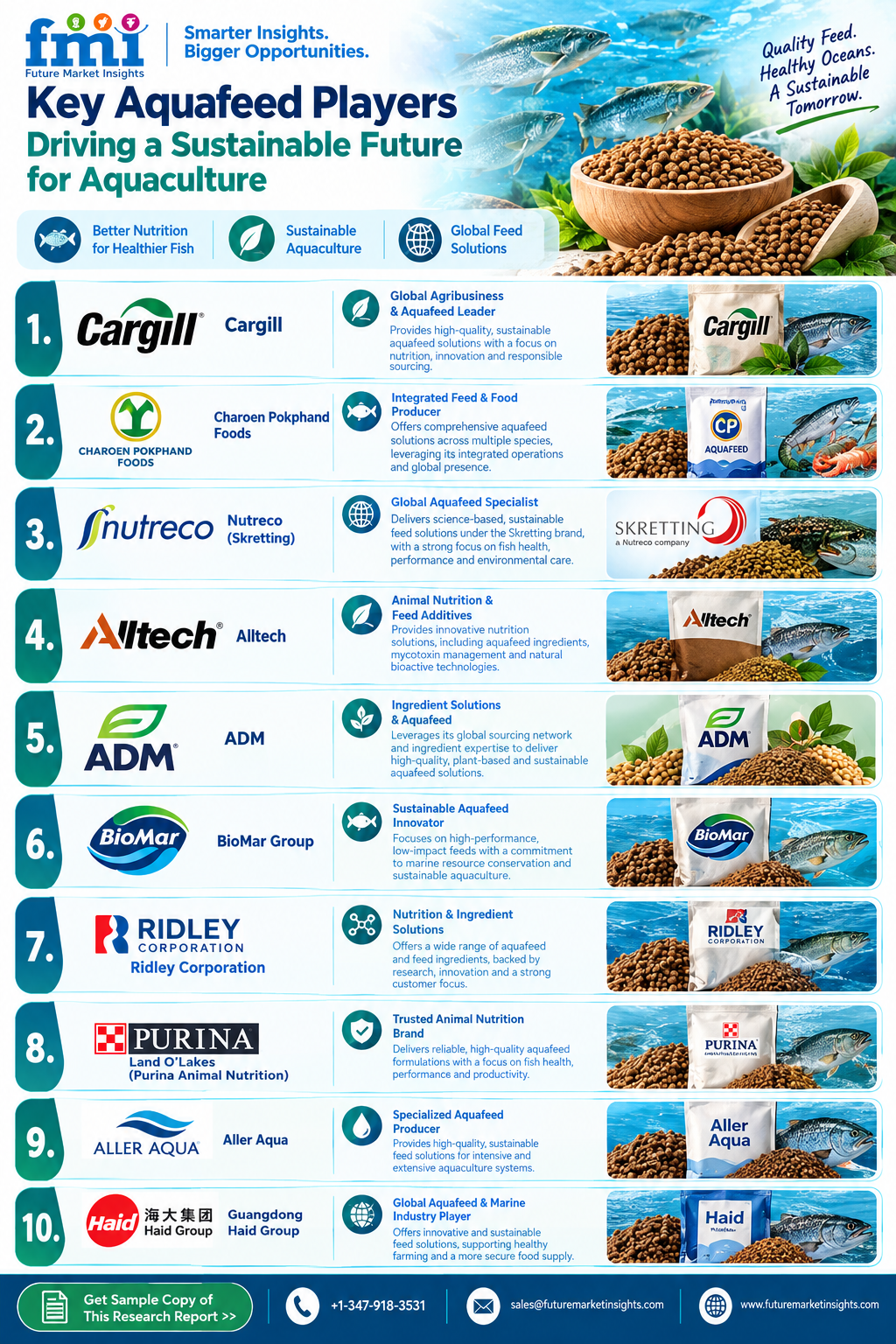
Aquafeed Market Conventional Aquafeed Leads Nature Category at 90.0% The global aquafeed market is forecast to increase from USD 66.7 billion in 2026 to USD 123.6 billion by 2036, expanding at a 6.4% CAGR during the 2026-2036 forecast period, according to Future Market Insights. The market stood at USD 62.7 billion in 2025. Growth is being supported by commercial aquaculture...
Как распределить бюджет ремонта инвестиционной квартиры. При ограниченном бюджете важно определить, какие решения критичны для эксплуатации, а какие относятся к декору. В ситуации «ремонт квартиры для аренды» важно заранее договориться о границах задачи: какие изменения действительно нужны, что уже задано помещением и по каким признакам будут принимать результат. До перехода к...

I thought the Silver Bells quest in Hollow Knight: Silksong would be a cozy little errand. I had just beaten the Widow in Bellhart, freed the town, and felt like a hero who deserved a quiet walk. Then the quest board handed me a note that basically said: find eight silver bells. No map. No choir. Just vibes. Not gonna lie, I laughed. That laugh aged quickly. 🔔 Starting the Quest Without Losing...
The global defense landscape is undergoing a significant transformation, with technological innovation at its core. The Main Battle Tank (MBT) market is experiencing robust growth as nations prioritize modernization programs to strengthen their land combat capabilities. Advanced technologies such as artificial intelligence, autonomous navigation, and enhanced targeting systems are redefining...