E-Wallet Market Growth: Digital Payments Transforming Consumer Transactions And Commerce Worldwide 2035

Market Growth and Digital Payment Transformation
The E-Wallet Market Growth is being supported by the increasing adoption of cashless payments, mobile banking, online shopping, and digital financial services. E-wallets allow consumers to store payment information electronically and complete transactions through smartphones, computers, and other connected devices. They are increasingly used for online purchases, in-store payments, bill settlement, money transfers, ticket bookings, and subscription services. Consumers value the convenience of completing transactions without repeatedly entering payment details or carrying physical cards. Merchants are also adopting digital wallet acceptance to simplify checkout processes and improve customer experiences. Financial institutions, fintech companies, telecommunications providers, and technology businesses are introducing solutions that connect payments with broader digital services. As mobile connectivity and digital commerce continue developing, e-wallets are becoming an important part of the modern payment ecosystem.
Increasing Consumer Preference for Cashless Transactions
Changing consumer preferences are encouraging the use of electronic payment methods. Mobile-first consumers increasingly expect quick, convenient, and accessible payment experiences across online and physical shopping environments. E-wallet applications allow users to connect payment cards, bank accounts, or stored balances and complete transactions through supported platforms. Features such as transaction notifications, payment history, loyalty rewards, and contactless checkout can improve everyday usability. Digital wallets also support peer-to-peer transfers, making it easier for individuals to send and receive money. Merchants benefit from simplified checkout experiences and additional payment options for customers. The growing integration of wallets into shopping applications, transportation services, food delivery platforms, and entertainment services is further expanding their practical use. These developments are encouraging providers to improve application performance, security, and compatibility with different payment networks.
Technology Innovation and Financial Inclusion
Technology innovation is creating opportunities for e-wallet providers to expand their services. Biometric authentication, tokenization, encryption, artificial intelligence, and real-time transaction monitoring can strengthen payment security and improve user experiences. Integration with banking applications and instant payment infrastructure can also make digital transfers more convenient. E-wallets may support financial inclusion by providing accessible payment tools to individuals who have limited access to traditional banking services. Mobile-based financial services can help users participate in digital commerce and manage everyday transactions. However, providers must consider smartphone accessibility, internet availability, digital literacy, and customer trust. Secure onboarding and transparent transaction processes are important for encouraging adoption among new users. The International Telecommunication Union has also highlighted the importance of security features and clear requirements across different digital wallet types. <Cite refs={["turn119282search13"]}/>
Merchant Acceptance and Competitive Environment
Merchant acceptance is an important factor influencing the development of the e-wallet ecosystem. Retailers, restaurants, online marketplaces, transportation providers, and service businesses are increasingly considering digital wallets as part of their payment strategies. Supporting different wallet providers can help merchants accommodate customer preferences and reduce checkout friction. Competition includes banks, fintech companies, technology platforms, payment processors, and telecommunications businesses. Providers differentiate themselves through application usability, transaction reliability, security, merchant partnerships, loyalty programs, and customer support. Partnerships between wallet providers and retailers can also expand acceptance and encourage repeat usage. At the same time, businesses must consider transaction costs, settlement processes, integration requirements, and fraud prevention. A reliable payment experience is essential for maintaining customer confidence and supporting long-term adoption.
Future Outlook Through 2035
The future of the E-Wallet Market will be influenced by digital commerce, contactless payments, embedded financial services, and improvements in payment infrastructure. Wallet applications may increasingly combine payment capabilities with identity verification, loyalty management, banking services, and personalized financial tools. Artificial intelligence can help detect suspicious activity and support customer service, while biometric authentication may simplify secure authorization. Cross-border payment functionality and improved interoperability could also create new opportunities. Providers will need to address cybersecurity, privacy, regulatory compliance, and accessibility as digital payment usage expands. Through 2035, e-wallets are expected to remain an important part of the transition toward connected financial services and convenient digital transactions.
FAQs
Q1. What is driving E-Wallet Market growth?
Mobile payment adoption, e-commerce, contactless transactions, financial inclusion, and merchant acceptance are supporting growth.
Q2. What are the common uses of e-wallets?
Consumers use e-wallets for shopping, bill payments, money transfers, subscriptions, and in-store transactions.
Q3. Which technologies support e-wallet security?
Encryption, tokenization, biometric authentication, and transaction monitoring help protect digital wallet activities.
Explore Our Latest Trending Reports!
الأقسام
إقرأ المزيد
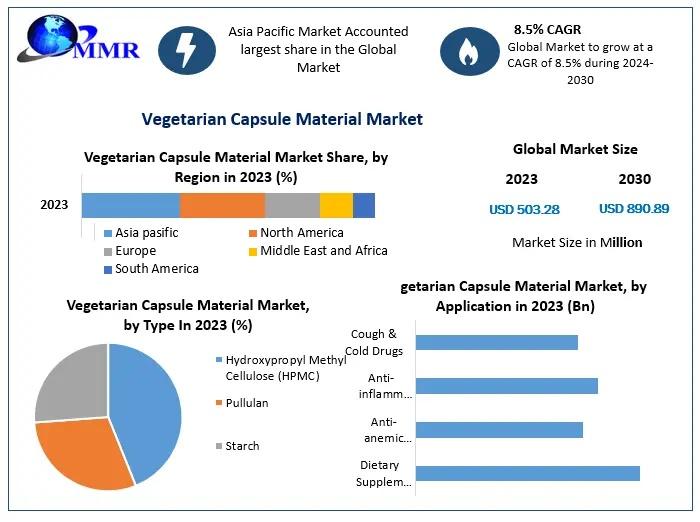
Anticipated Growth in Revenue The global Vegetarian Capsule Material Market is witnessing robust expansion driven by rising demand for plant-based pharmaceutical and nutraceutical products. The market was valued at approximately US$ 503.28 million in 2023 and is projected to reach nearly US$ 890.89 million by 2030, reflecting strong revenue growth throughout the...
Recent findings suggest the EV Charger Operation Maintenance Service Market Share landscape is becoming more competitive as providers compete on remote monitoring and service platforms. The market includes charging network operators, independent service providers, and equipment manufacturers offering bundled support. The Competitive Landscape The EV charger maintenance market includes several...

Construction projects increasingly require concrete systems capable of delivering strength, toughness, durability, and efficient installation. Fiber reinforcement has become an important technology for improving selected concrete applications. When incorporated into shotcrete, fibers can provide additional performance characteristics that make the material suitable for demanding structural...

Market Research Future reports indicate that Bicycle gearbox system hub technology represents a significant segment of the Bicycle Gearbox System Market, which is projected to reach USD 674.96 million by 2035. Hub gearboxes integrate the shifting mechanism into the rear wheel hub, providing multiple gear ratios in a sealed, protected unit. This design offers advantages for commuters,...

In today's competitive beauty market, staying on top of trends is essential. Foundation OEM&ODM services from anycolorcosmetics allow brands to create innovative products that align with the latest consumer preferences. How can these services help your brand capture emerging trends? Consumers are increasingly seeking personalized shades, lightweight formulas, and long-lasting finishes....