Biobanking Market: Supporting the Future of Precision Medicine and Biomedical Research
Modern medical research increasingly depends on high-quality biological samples and reliable patient-related data. Blood, tissue, DNA, cells, and other biological materials help researchers investigate diseases, identify biomarkers, study genetic variations, and evaluate potential treatments. Biobanks provide the organized infrastructure needed to collect, process, preserve, and distribute these valuable resources for scientific and clinical research.
Growing interest in personalized healthcare and advanced biomedical studies is creating opportunities in the Biobanking Market. Research institutions, pharmaceutical companies, hospitals, universities, and biotechnology organizations use biobanking services to support studies that require carefully preserved specimens and associated information.
What Is Biobanking?
Biobanking involves the systematic collection, processing, storage, and management of biological specimens. Depending on their purpose, biobanks may preserve blood samples, tissue specimens, DNA, RNA, cells, and other biological materials.
These resources are maintained under controlled conditions to protect sample quality and support future research. Biobanks may be population-based, disease-specific, hospital-based, tissue-focused, or dedicated to particular research areas.
Role in Precision Medicine
Precision medicine aims to improve healthcare decisions by considering individual differences, including genetic, environmental, and lifestyle factors. Biological samples stored in biobanks help researchers explore these differences and investigate how diseases develop or respond to treatment.
For example, oncology researchers may use preserved tumor tissue and associated clinical data to study cancer characteristics and identify potential biomarkers. Genomic research also benefits from access to well-documented DNA samples.
Technology Transforming Biobanking
Modern biobanking facilities increasingly use automated sample handling, temperature-monitoring systems, barcode tracking, and laboratory information management systems. These technologies help improve traceability, inventory control, and operational consistency.
Cryogenic storage equipment and reliable cold-chain infrastructure are particularly important for preserving sensitive biological materials.
Future Market Opportunities
Demand for precision medicine, biomarker discovery, genomic research, and pharmaceutical development may support continued investment in biobanking infrastructure. Standardized procedures, digital integration, and improved sample-management systems are expected to remain important priorities.
People Also Ask
1. What is the main purpose of a biobank?
A biobank stores and manages biological samples for research and selected clinical applications.
2. How does biobanking support precision medicine?
It provides biological specimens and associated data that researchers use to study disease differences and potential treatment responses.
Tags: Biobanking Market, Precision Medicine, Biomedical Research, Biological Samples, Genomics, Pharmaceutical Research, Biobank Technology
الأقسام
إقرأ المزيد
Germany electric vehicle chargers are specialized equipment that provide electrical energy for charging electric vehicle batteries, available in various power levels and connector types for residential, workplace, and public charging applications across Germany. The Germany Electric Vehicle Chargers market is projected to grow substantially, driven by increasing EV adoption and the...

Cosmetic Case Set design has shifted away from simple storage containers toward products that serve organized routines and travel needs, and this shift reflects broader changes in how consumers view their beauty collections. A cosmetic case set now carries expectations about compartment structure, material feel, portability, and visual identity that go beyond basic protection. Jinhua Mgirl...

Market share analysis in the ring main unit sector reveals a competitive landscape where established gas-insulated leaders retain dominance while SF₆-free platforms and smart automation reshape positioning. Based on Market Research Future's assessment, the Ring Main Unit Market Share is distributed across a market valued at USD 2.87 billion in 2025 and projected to reach USD 5.48 billion by...

Deploying specialized endpoint management software is vital for enterprise organizations seeking to protect proprietary corporate intelligence, manage remote teams, and maintain regulatory compliance. Modern corporations require sophisticated software solutions that go beyond simple remote-wipe tools, deploying comprehensive frameworks that secure applications without compromising user privacy....

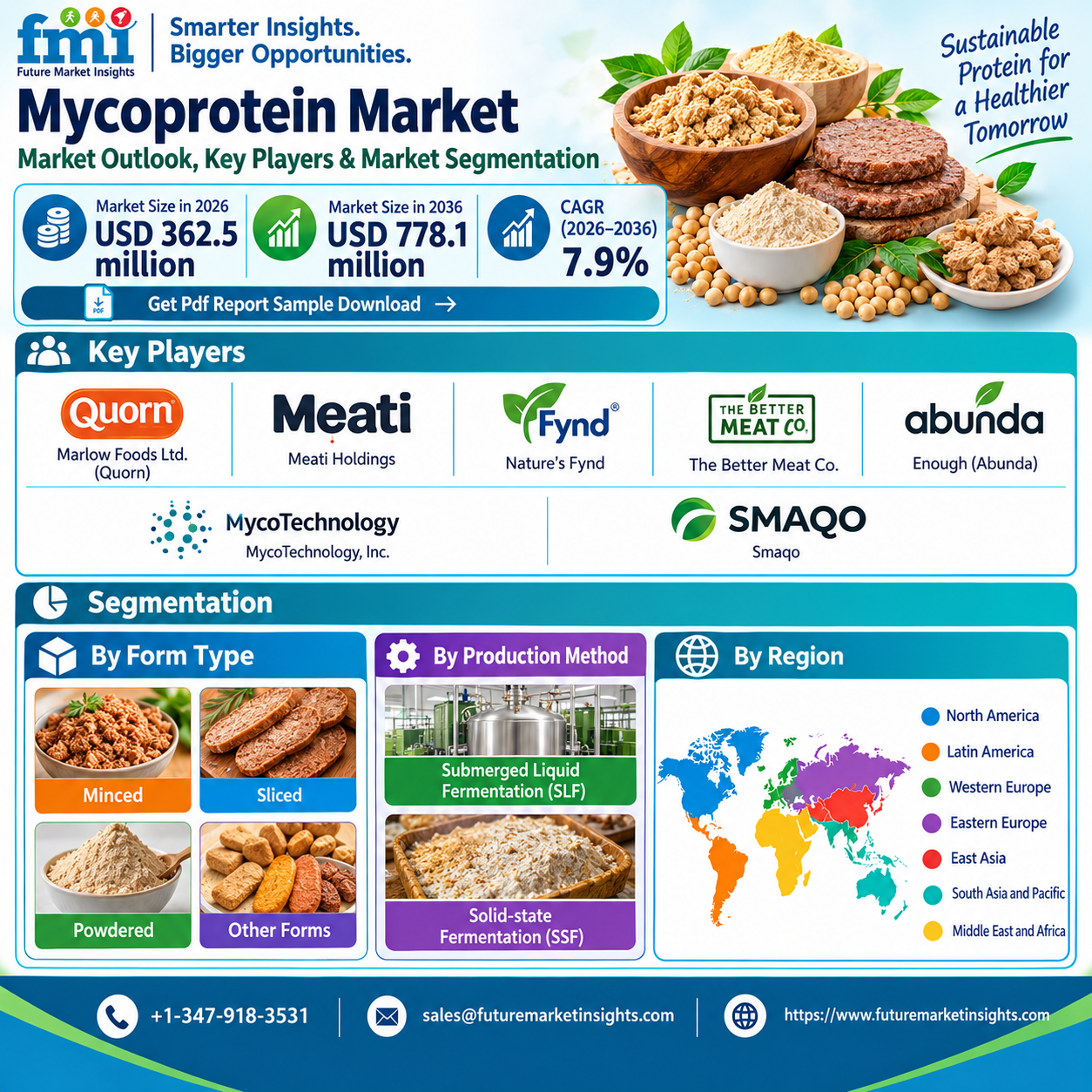
Mycoprotein Market USD 778.1 Million by 2036, Japan - CAGR 10.2%, South Korea - CAGR 8.1% NEWARK, Del., October 8, 2026. — The global mycoprotein market is estimated at USD 362.5 million in 2026 and is projected to reach USD 778.1 million by 2036, expanding at a CAGR of 7.9% from 2026 to 2036, according to Future Market Insights (FMI). The market was valued at USD 336.0 million in 2025....