


Haibo Wall Panels and Their Place in Room Layouts
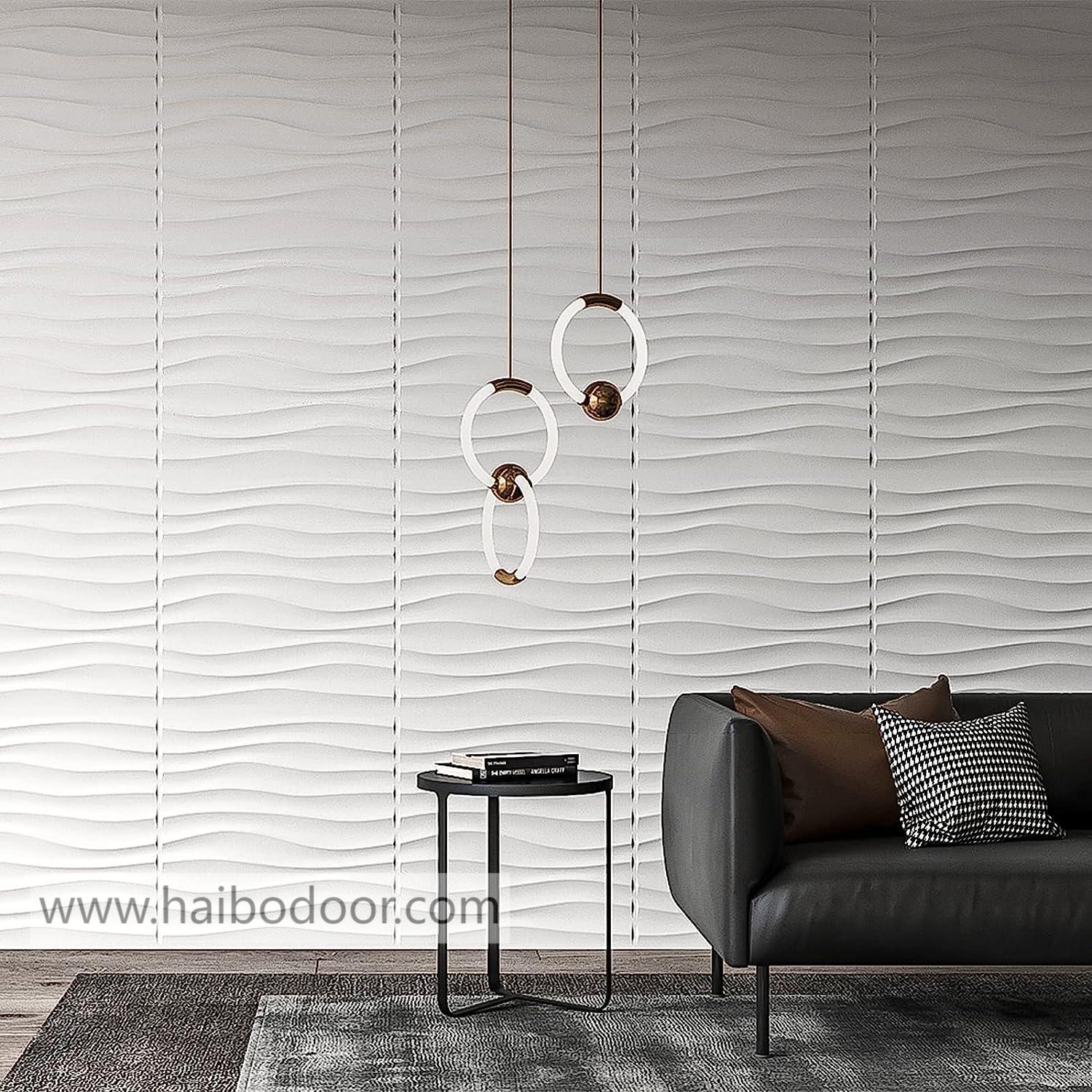
A wall panel is often treated as a decorative surface, yet its role begins with how a wall is organized and presented within a room. The visible panel changes the way people perceive a flat boundary, bringing a defined surface, texture, or visual arrangement into the space. A Wall Panel Factory handles the design and production of panel products, with their intended application influencing the way each piece is developed. The function is not limited to covering a wall, since the panel becomes part of the room's interior arrangement.
Wall panels introduce a separate layer across an existing wall surface. Depending on the product and installation arrangement, this layer may become a visual feature, form a continuous background, or divide the appearance of a large wall into sections. The underlying wall and the visible panel serve different roles. One belongs to the building structure, while the other contributes to the finished interior surface. Understanding that distinction helps explain why panel design involves dimensions, edges, alignment, and the relationship between adjoining pieces rather than appearance alone.
When several panels are placed together, their arrangement determines how the surface reads from different positions. Vertical divisions can draw attention toward the height of a room, while horizontal arrangements create a different visual direction. Repeated edges may form a regular pattern, although the final appearance depends on the design itself and the way individual pieces meet. Walking past a paneled wall, I notice how the joints become visible when daylight enters from one side. The light can reveal slight changes in surface direction, making the arrangement easier to perceive without changing the actual function of the wall.
Production begins with the requirements of the intended interior application. A panel intended for a residential room may be selected according to the decorative style and surrounding finishes, while a commercial space can involve a different layout or design requirement. The product's form, surface appearance, and intended placement need to correspond with the project. Manufacturing is therefore connected to the design stage, where the product category and requested configuration are established before production work proceeds. The available information does not define one universal panel construction, because different product options may involve different material arrangements.
Haibo's manufacturing facilities handle interior building products, including wall panels, alongside PVC doors, wooden doors, and customized interior options. Production organization and quality inspection procedures form part of its manufacturing workflow. These processes are associated with preparing products for different project requirements, while the specific construction of an individual wall panel remains dependent on its product details. A panel's intended use, surface treatment, and assembly arrangement should be understood from the relevant product information rather than assumed from its category name.
The way panels meet at corners, openings, and adjoining surfaces is an important part of their practical function. A wall may contain a doorway, a change in direction, or an area where the panel arrangement needs to stop. Those locations affect how the finished surface appears and how the individual pieces are positioned. Installation planning considers the wall layout and the relationship between the panel edges and surrounding features. The visual result depends partly on these transitions, since a continuous wall surface can become interrupted by the geometry of the room.
Panels also affect the way interior spaces are visually coordinated. A room with furniture, doors, lighting, and wall finishes contains several surfaces that interact with one another. The panel arrangement can provide a background for furniture or form a defined area within a larger room. Its appearance is influenced by the color, texture, shape, and placement of surrounding objects. This is a design function rather than a claim about acoustic, thermal, moisture, or structural properties, which cannot be established without product-specific information.
During manufacturing and project preparation, customization may involve adapting product choices to a particular decorative style or layout. Residential and commercial interiors can have different requirements for the way wall surfaces are arranged, so the selected product needs to correspond with the intended setting. Product information associated with https://www.haibodoor.com includes interior building solutions, while the exact panel construction and installation details depend on the individual model. Standing beside a finished wall, the narrow line where two panels meet may be the detail that first catches the eye, especially when light crosses the surface at an angle.
Κατηγορίες
Διαβάζω περισσότερα
Feminine care is evolving, driven by consumer demand for safer, more sustainable products, advances in materials, and changing social attitudes. The future promises more options, greater transparency, and improved products that meet the diverse needs of women. Innovation is a key trend. New materials, including biodegradable and compostable options, are being developed. Product design is...

Before Jaxon Smith-Njigba became one of the NFL's best wide receivers, he was one of the best high school recruits in the country. The superstar led the league in receiving yards in 2025, breaking out in his third season since entering the NFL. While he wasn't quite as heralded as his peers were when coming out of college, his recruiting profile shows he probably should have been....
The versatility of spun‑sugar vending is being significantly amplified by breakthroughs in equipment engineering. The Cotton Candy Equipment Market is witnessing a surge in portable, energy‑efficient designs that cater to the on‑the‑go nature of modern food businesses. As per Market Research Future, this equipment segment is broadening its appeal by enabling operators to set up...
The China EV industry encompasses the complete ecosystem of electric vehicle manufacturing, sales, and aftermarket services, providing diverse options for domestic and global markets. The China EV Industry market is projected to grow substantially, driven by manufacturing leadership and domestic consumption. This industry is essential for sustainable mobility. China electric...

The packaging industry witnesses a significant transformation as Folder Gluer machines incorporate connectivity and IoT features that reshape production floor operations. CenwanMachine, operating under Wenzhou Chengwang Machinery Co., Ltd., has positioned itself at this technological intersection, yet the specific connected capabilities now available demand thorough examination. What exactly...