


PET Bottle Recycling Market Outlook Highlights Innovation in Efficient Bottle Collection and Recycling Processes
Bottle-to-bottle recycling is an important development in the packaging industry because it allows recovered PET to be converted into material for manufacturing new bottles. This approach supports a circular production model in which used beverage containers become inputs for future packaging rather than being discarded after a single use. Growing interest in recycled-content packaging is encouraging beverage companies, recyclers, and resin producers to strengthen collaboration across the supply chain.
The PET Bottle Recycling Market is gaining opportunities from demand for high-quality recycled PET suitable for new beverage containers. Bottle-to-bottle recycling requires careful collection, sorting, washing, decontamination, and reprocessing. The resulting material must meet appropriate performance and food-contact requirements before it can be used in packaging intended for food or beverages. These requirements create opportunities for recyclers with advanced facilities and strong quality-management systems.
Clear PET bottles are particularly valuable in closed-loop recycling because their recovered material can support transparent packaging applications. Colored bottles may require separate processing or be directed toward other end uses, depending on their composition and the capabilities of the recycling facility. Effective color sorting therefore plays an important role in maintaining the quality and commercial value of recovered PET.
The beverage industry is an important source of demand for bottle-grade recycled resin. Bottled water producers, soft drink companies, and other beverage manufacturers are evaluating packaging strategies that incorporate recycled content. Their procurement decisions depend on material availability, quality consistency, cost, and regulatory compliance. Long-term supply arrangements between beverage companies and recycling businesses can help improve investment visibility and support capacity expansion.
Technological improvements are strengthening bottle-to-bottle recycling capabilities. Advanced washing systems, melt filtration, decontamination technologies, and solid-state processing can help improve the quality of recycled PET. These processes are important because post-consumer bottles may contain residues, labels, adhesives, and other contaminants. Recyclers must control these materials to produce resin suitable for demanding applications.
Despite the opportunity, bottle-to-bottle recycling faces challenges involving the collection of clean feedstock and the economics of high-quality processing. Insufficient segregation can introduce contamination, while limited collection infrastructure may restrict the supply of suitable bottles. Food-contact applications also involve strict regulatory expectations, which can increase investment and operating requirements.
Competition from virgin PET is another commercial consideration. When virgin resin prices decline, recycled PET may face pricing pressure even when brands have sustainability commitments. Recyclers must therefore improve processing efficiency and maintain reliable customer relationships.
The outlook for bottle-to-bottle recycling is supported by packaging circularity initiatives and demand for recycled content. Companies that secure high-quality feedstock, invest in suitable decontamination systems, and maintain compliance can strengthen their position in this important segment of the PET recycling industry.
Categorías
Read More
Then, we had another, and again I did dare. Before, they were focused on a story, and the product was reaching the client. Last year, as it took a break from fashion week, announced it was in a licensing dispute with owned Staff International. A lot of consumers are now coming into the ecosystem through the es, whether that be gaming or fashion collaborations, beauty or large retail...

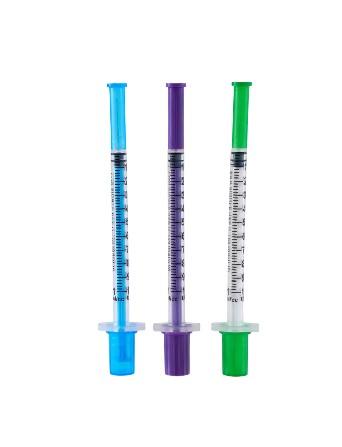
The growing demand for aesthetic medicine has increased the importance of specialized injection devices in professional beauty and skincare treatments. Reliable Beauty Injection Needle Suppliers help aesthetic clinics, medical distributors, and skincare professionals source products designed for different treatment requirements. When evaluating Beauty Injection Needle Suppliers, buyers should...
Gastroenterology is one of the largest users of medical snares. Colonoscopy and upper endoscopy procedures frequently involve the removal of polyps, which are growths on the lining of the colon or stomach that can become cancerous if left untreated. Snares are the primary tool for polypectomy, allowing physicians to remove polyps without surgery. This makes snares essential for colorectal...

Advancements in manufacturing materials have revolutionized many industries, and the field of companion dolls is no exception. Today’s high-end models benefit from years of research and development, boasting significant improvements in durability, tactile quality, and ease of maintenance. Understanding the role of modern materials helps buyers appreciate why superior craftsmanship remains...

Modern vessels depend on thousands of kilometers of cabling for propulsion, control, communications, and safety systems, and shipboard cables must perform reliably in one of the harshest operating environments on earth. According to WiseGuyReports, the global shipboard cable market was valued at USD 3.24 billion in 2023 and is projected to reach USD 4.5 billion by 2032, growing at a compound...