


Anti-Bending Cable Gland for Flexible Industrial Wiring
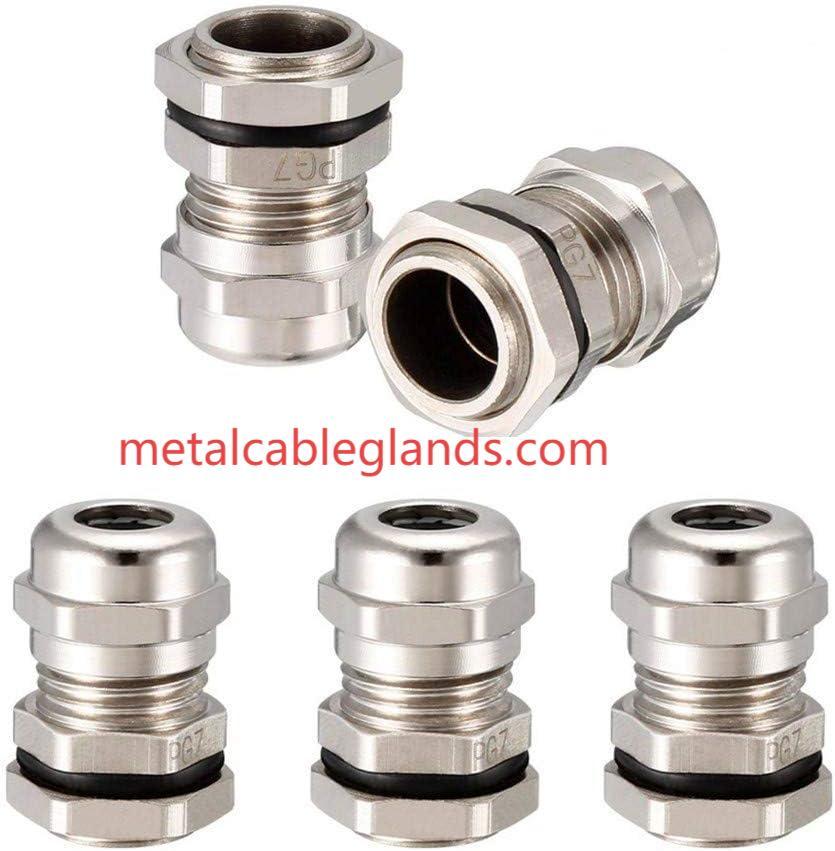
Modern electrical equipment often requires flexible wiring arrangements to accommodate different installation positions, moving components, and limited enclosure space. In these situations, an Anti-Bending Cable Gland provides additional support around cable entry points, helping maintain a more controlled cable direction. Selecting an appropriate Anti-Bending Cable Gland can help manufacturers and installers reduce excessive bending near electrical connections while improving cable organization. Its structural design, material characteristics, and compatibility with different cable sizes are important considerations for businesses sourcing accessories for industrial wiring applications.
Understanding Cable Stress at Connection Points
Cable connections are often exposed to mechanical forces during equipment installation and daily operation. When a cable is routed through a narrow opening or positioned at an unsuitable angle, its outer sheath may experience continuous pressure.
This situation can become more noticeable in machinery with moving parts, vibration, or frequent maintenance requirements. Repeated pulling and changes in cable direction may also affect the condition of the connection area.
A properly selected cable entry accessory can help guide the cable and provide additional support near the enclosure. This makes cable routing easier to manage and helps installers create more organized wiring arrangements.
For equipment designers, considering cable direction and available installation space during the planning stage can prevent unnecessary adjustments after assembly.
Flexible Structures for Different Wiring Arrangements
Cable protection accessories are available in different structural designs to accommodate various installation requirements. Flexible protective sections are particularly useful when cables need to extend from an enclosure at an angle.
The design allows the cable to follow a more gradual transition instead of immediately changing direction at the entry point. This can be beneficial in installations where wiring space is limited or where cables may experience routine movement.
When comparing different products, buyers should examine the overall length, flexibility, connection dimensions, and cable clamping range. These details help determine whether a particular design matches the equipment configuration.
It is also important to understand that flexible cable support does not replace correct cable routing practices. Installers should still follow the cable manufacturer's recommended bending radius and avoid unnecessary tension during assembly.
MetalCableGlands and Nylon Accessory Selection
MetalCableGlands provides cable connection components and related accessories for electrical and industrial applications. Its nylon cable gland range includes products designed for installations that require flexible cable entry arrangements.
Nylon is widely used in electrical accessories because of its lightweight construction and insulating characteristics. Depending on the material grade and product design, nylon components can serve different equipment installation requirements.
For distributors and machinery manufacturers, reviewing technical specifications before purchasing is essential. Important details include thread standards, cable diameter compatibility, material descriptions, and product dimensions.
Businesses handling different equipment models may also benefit from comparing multiple connection configurations. Providing suppliers with cable measurements, enclosure drawings, and application information can make product selection more accurate.
Applications in Machinery and Electrical Installations
Flexible cable entry accessories can support wiring arrangements across several industrial sectors. Their suitability depends on the installation structure, cable movement, and environmental conditions.
In automation equipment, cables frequently connect sensors, control devices, and motors positioned at different angles. Additional support around entry points can help maintain orderly routing.
Lighting equipment may also require flexible cable connections where internal space is restricted. In machinery control cabinets, suitable accessories can help organize external wiring and provide a more structured transition between cables and enclosures.
Other potential applications include:
-
Industrial control systems
-
Electrical distribution equipment
-
Automated production machinery
-
Electronic instrument housings
-
Commercial lighting assemblies
-
Mechanical equipment with flexible wiring connections
For installations exposed to moisture, dust, or outdoor conditions, buyers should also verify the protection characteristics of the complete cable entry assembly. Material selection, sealing structures, and correct installation all contribute to the final result.
Important Considerations Before Purchasing
Selecting suitable cable protection accessories requires attention to several technical details. Cable diameter should be checked first because the clamping range must match the cable being installed.
Thread specifications are equally important. Metric, PG, and other connection standards have different dimensions, so the enclosure opening must be confirmed before ordering.
Buyers should also consider material compatibility, installation direction, available space, and expected mechanical movement. These factors help determine whether a flexible design is appropriate for a particular application.
For bulk purchasing, requesting product drawings and technical documentation can make comparisons easier. Distributors should also clarify packaging arrangements, product identification, and order specifications to support warehouse management.
A supplier that understands different cable entry requirements can help businesses coordinate product selection more efficiently. To explore nylon cable glands and other electrical connection accessories, visit https://www.metalcableglands.com/ and discover available solutions for industrial wiring projects.
Categories
Read More
The Global Mainframe Market report is carefully created analyzing the industry environment which caters to the client’s needs at its best. The report makes it easy to develop an efficient marketing strategy for the organization. This marketing study offers an all-inclusive market analysis, accounting for various facets of product description, segmentation of the market as per diverse...

When visibility and surface presentation matter, PVC Super Clear Film from ShanghaiMsd provides designers, manufacturers, and fabricators with a transparent material option for projects where clarity, flexibility, and practical processing need to work together. Its clear appearance can help maintain visual connection with underlying surfaces while offering opportunities for protection,...
The Home Blood Test Product market research report has been crafted with the most advanced and best tools to collect, record, estimate, and analyze market data. The report also sheds light on the market overview in its entirety touching diverse aspects like product definition, prevailing vendor landscape, and market segmentation. Through the comprehensive and systematic market research study,...

Silent Spinner Suitcase has become a popular option for travelers who value smooth movement, organized storage, and practical travel features. Whether preparing for business travel, family holidays, international flights, or weekend trips, selecting suitable luggage involves more than appearance alone. Buyers often compare mobility, durability, capacity, security, and overall usability before...
A Separator Filter is more than a simple barrier that catches unwanted particles. It is a structured component designed to divide, refine, and stabilize materials during industrial or laboratory processing. Unlike basic filters that only trap debris, a separator filter manages both particle separation and flow control, ensuring that the final output is cleaner, more uniform, and more...