Which Product Details Can bluefirecans Help Buyers Confirm?
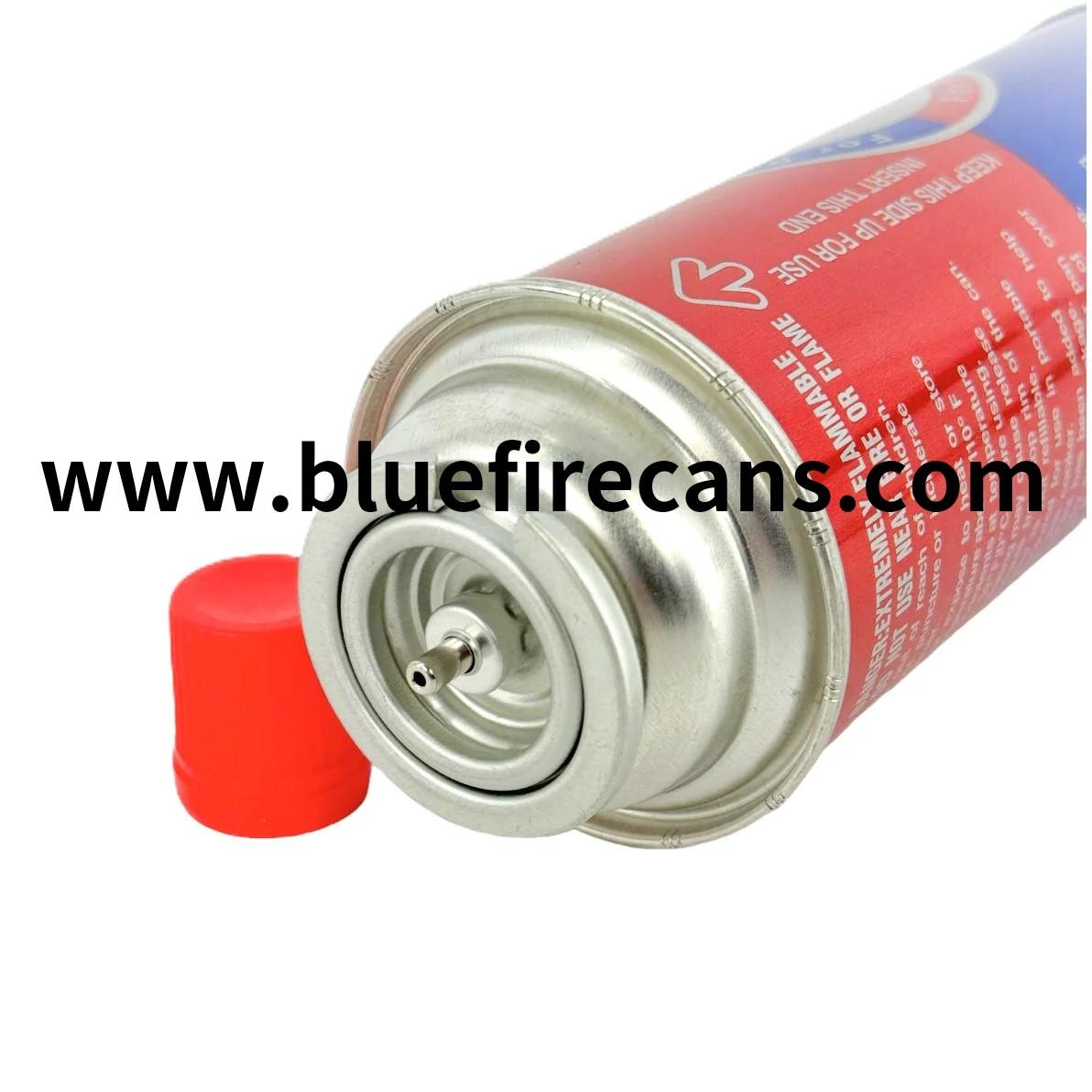
Butane Gas Cartridge purchasing decisions involve more than comparing container sizes or checking the quoted unit price. For importers, wholesalers, outdoor equipment brands, and distributors, each order should account for appliance compatibility, container construction, filling specifications, inspection procedures, and delivery arrangements. A suitable product needs to match its intended application while meeting the technical and regulatory requirements of the destination market. Reviewing these details before placing an order can help buyers reduce specification misunderstandings and organize a smoother procurement process.
Identify the Intended Application
Before contacting a supplier, buyers should determine where the product will be used. Portable camping stoves, outdoor cooking equipment, and compact heating devices may require different capacities and connection arrangements. The intended application also influences storage methods, handling procedures, and transportation planning.
For example, individual campers may prefer a compact format that takes up less space in a backpack. Retailers serving families or outdoor groups may need additional capacity options for different usage patterns. Commercial distributors may focus on a consistent product range that fits their existing sales channels.
Preparing an application list helps buyers explain their requirements clearly. It also gives the production team useful information when discussing available specifications and possible adjustments.
Compare Capacity and Physical Dimensions
Capacity is an important purchasing consideration, but it should not be evaluated independently from the overall dimensions. Buyers should check the net filling weight, container diameter, height, and external packaging size. These details influence storage arrangements, shelf presentation, carton planning, and transportation calculations.
A product that fits one appliance or retail package may not suit another. Therefore, procurement teams should compare technical drawings and specification sheets rather than relying on product photographs alone.
Available options can also influence inventory planning. A range that includes different capacities may help distributors serve customers with varied requirements. For example, bluefirecans provides 100g, 230g, and 450g camping fuel containers, giving buyers several formats to consider when planning their product assortment. More details are available at https://www.bluefirecans.com/product/.
Examine the Valve and Connection Structure
The connection system deserves careful attention because it determines whether a container can work with the intended appliance. Buyers should confirm the valve type, thread dimensions, applicable standards, and compatibility requirements before approving a specification.
A threaded connection, for example, must match the corresponding stove fitting. Buyers should not assume that products with similar external appearances share the same connection design. Requesting technical drawings, valve information, and compatible appliance references can help prevent ordering errors.
It is also useful to discuss the valve's opening and closing behavior, sealing components, and inspection procedures. These details are relevant to product performance and handling requirements throughout distribution.
Ask About Sealing and Quality Inspections
A pressurized container requires controlled manufacturing and inspection procedures. Buyers should ask suppliers how they monitor body forming, valve installation, filling operations, and sealing conditions during production.
Useful questions include whether leak checks are conducted, how inspection records are maintained, and whether batches can be traced through production information. Buyers may also request relevant test documentation and applicable certification details for their target markets.
Inspection arrangements should be discussed before an order is confirmed. This helps both parties agree on acceptance criteria, sampling plans, documentation, and procedures for handling products that do not meet the agreed specifications.
Review Packaging and Shipment Preparation
Packaging affects how products are identified, stored, and handled during distribution. Buyers should confirm carton dimensions, unit quantities, labeling information, protective arrangements, and any destination-specific packaging requirements.
Since these containers hold flammable material under pressure, transportation arrangements must follow applicable dangerous-goods regulations. Importers should check the relevant shipping classification, documentation, carrier requirements, and local rules before arranging delivery.
Clear communication about packaging and shipment responsibilities can reduce delays caused by incomplete documents or unsuitable arrangements. It also helps distributors plan warehouse space and coordinate incoming inventory.
Evaluate Customization and Production Communication
For businesses developing private-label products, customization may involve printed artwork, packaging details, product specifications, and order quantities. Buyers should provide artwork files, branding guidelines, and technical requirements early enough for the supplier to review feasibility.
It is equally important to understand how sample approval, production scheduling, and specification changes are managed. A clear communication process helps prevent differences between the approved sample and the bulk order.
When evaluating a production partner, buyers can also ask about manufacturing equipment, quality management procedures, export experience, and the availability of technical assistance. These discussions provide a clearer picture of how a supplier handles ongoing commercial projects.
Prepare a Purchasing Checklist
A structured checklist makes supplier communication more efficient. Before confirming an order, buyers can organize the following information:
Intended appliance and application market
Required filling capacity and container dimensions
Valve type and connection specifications
Applicable standards and certification documents
Sealing inspection and batch traceability arrangements
Labeling, carton design, and shipment requirements
Sample approval and customization details
Order quantity, production schedule, and delivery terms
Having these details ready gives both parties a shared reference during quotation, sampling, and production discussions.For distributors and equipment brands planning a new supply project, choosing a production partner should involve a careful review of technical requirements and communication arrangements rather than price alone. bluefirecans offers different container formats and OEM customization discussions for customers serving outdoor and portable fuel markets. Buyers can review available products, compare specifications, and contact the team through https://www.bluefirecans.com/ to discuss their project requirements.
Категории
Больше
Temporary cables and hoses are common around events, construction sites, public facilities, workshops, exhibitions, and commercial spaces, where organized protection can help maintain safer movement, and choosing a Cable Ramp involves more than finding a cover for wires on the ground. Material selection, purchasing priorities, functional engineering, manufacturing technology, user experience,...
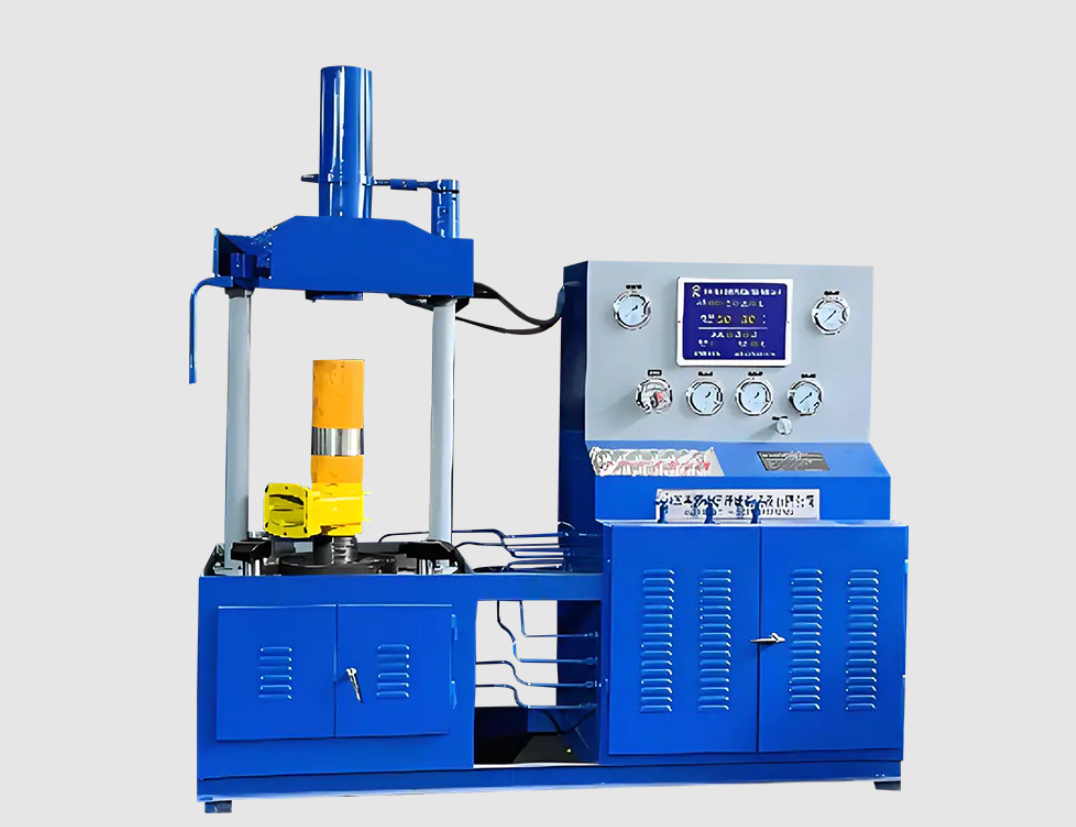
A Valve Test Bench Machine and Control Valve Test Bench are increasingly integrated into industrial quality control systems as manufacturers place greater emphasis on consistency and traceability. Valves used in pipelines, energy systems, and chemical plants must meet strict performance requirements, and even minor deviations can lead to unstable flow regulation or system...
Technology is becoming increasingly important to the competitiveness of pulp manufacturers. Producers are investing in automation, digital monitoring, advanced processing, and resource-efficient systems to improve productivity and respond to growing sustainability requirements. The Paper Pulp Market is projected to expand at a CAGR of 3.32% between 2025 and 2035. Technological advancement is...

The global plant-based snacks market is forecast to increase from USD 45.7 billion in 2026 to USD 100.5 billion by 2036, expanding at a 8.2% CAGR during the 2026-2036 forecast period, according to Future Market Insights. The market stood at USD 42.2 billion in 2025. Growth is being supported by increasing demand for convenient plant-based foods, familiar snack formats, protein- and...

Industry Overview The Telecom Outsourcing industry is becoming increasingly important as telecommunications companies seek efficient ways to manage complex networks, infrastructure, customer services, and technology operations. Telecom outsourcing enables service providers to transfer selected business processes, technical functions, network management activities, and support operations to...