How Mechanical Pulling Tools Support Efficient Automotive Component Removal
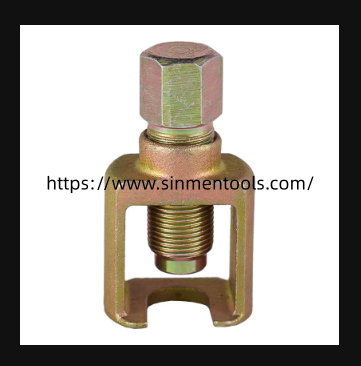
Automotive repair frequently involves removing components that have become tightly fitted through long-term operation, friction, corrosion, or mechanical pressure. Gears, bearings, pulleys, and other assembled parts may be difficult to separate without applying force in a controlled manner. For professional technicians, Gear Puller equipment provides a practical mechanical solution for component removal while helping reduce unnecessary impact on surrounding parts. Its structural design, material quality, and adaptability all influence how effectively it supports different maintenance procedures.
The materials used in pulling equipment are closely connected to its reliability. Since these tools operate under mechanical loads, manufacturers commonly select strong metal materials for their main frames, arms, threaded spindles, and contact components. Steel is frequently used because it offers useful structural strength and resistance to deformation during demanding workshop operations. The quality of the raw material, together with proper heat treatment and machining, contributes to the finished tool's mechanical characteristics.
Material processing deserves particular attention. Components that experience repeated pressure need suitable surface quality and structural consistency. Heat treatment can help improve the mechanical properties of selected metal parts, while protective finishes may reduce corrosion and surface deterioration during storage and use. Threaded components also require careful manufacturing because their engagement influences the smoothness and reliability of the pulling operation.
Choosing appropriate pulling equipment starts with identifying the components that need to be removed. Automotive workshops may encounter gears with different shapes, mounting positions, and access conditions. A tool suitable for one assembly may not provide the correct contact arrangement for another. Buyers should therefore consider the types of vehicles they service, the components they regularly handle, and the working conditions in which the tool will be used.
Puller configuration is another important purchasing consideration. Different designs use different arm arrangements and contact structures to engage the target component. Some models are intended for applications where the pulling points are relatively accessible, while others provide alternative configurations for more restricted spaces. Buyers should review the available gripping arrangements and confirm that the tool is appropriate for their intended maintenance tasks.
Compatibility should never be overlooked. The contact points need to engage the component securely without placing unnecessary pressure on nearby surfaces. Selecting an unsuitable pulling tool may cause slipping, uneven force distribution, or damage to the part being removed. Manufacturers' application guidance and product descriptions can help buyers understand the intended use of each design. When necessary, consulting a supplier before purchasing can clarify whether a particular model suits a specific repair requirement.
Mechanical functionality depends on the coordination of several components. A typical pulling system uses a central threaded spindle to generate mechanical force, while supporting arms or jaws provide the necessary grip. As the spindle moves, force is transferred through the assembly to separate the fitted component from its mounting position. This mechanical arrangement offers technicians a more controlled alternative to repeated hammering or improvised removal methods.
The alignment of the pulling system is especially important. The spindle should be positioned appropriately in relation to the component being removed, and the gripping elements should maintain stable contact. Uneven positioning can create unnecessary stress and increase the possibility of slipping or component damage. Following the manufacturer's operating instructions and selecting the correct contact arrangement help support more controlled work.
Manufacturing precision also affects the tool's performance. Properly machined threads allow smoother adjustment, while carefully finished contact surfaces can improve engagement with the workpiece. Consistent assembly helps ensure that individual components function together as intended. Quality inspection during production can identify problems involving machining, surface finishing, or structural consistency before equipment reaches professional users.
From the technician's perspective, practical handling has a direct influence on workshop efficiency. A pulling tool should be straightforward to position, adjust, and remove after completing the task. Clear component arrangements can help mechanics understand how the tool should be assembled, while accessible adjustment points make it easier to work in confined repair environments. These details become particularly valuable when technicians perform repeated maintenance operations throughout the working day.
Storage and maintenance are also important parts of the user experience. Pulling tools often include separate arms, adapters, or other accessories that need to remain organized. A suitable storage case helps protect these components and makes them easier to identify when needed. After use, technicians should clean the tool, inspect threaded sections and contact surfaces, and follow the manufacturer's recommendations for lubrication and storage.
Design influences both mechanical usability and product presentation. A balanced frame structure helps distribute working forces through the intended contact points, while appropriately shaped arms can improve access to different component arrangements. Surface finishes contribute to corrosion protection and create a more professional appearance. Clearly identifiable components can also simplify tool selection during busy repair operations.
For tool distributors and automotive equipment brands, product design may extend beyond mechanical construction. Packaging, accessory organization, handle finishes, and product identification can all influence how equipment is presented to professional customers. A well-organized product design makes it easier for workshops to manage equipment and understand the intended applications of different components.
Taizhou Xinming Technology Co., Ltd. specializes in automotive repair tools and related workshop equipment. Its product range serves professional maintenance applications where practical functionality, manufacturing consistency, and dependable tool construction are important purchasing considerations. For distributors and importers, discussing application requirements, preferred tool configurations, material expectations, and packaging needs with manufacturers can help identify suitable products for different markets.
In automotive maintenance environments, technicians may encounter components that require different removal approaches depending on their construction and installation conditions. Understanding these differences helps workshops select appropriate equipment and establish more organized repair procedures. Businesses interested in automotive pulling tools, related workshop equipment, and manufacturing cooperation can explore the products and services offered by Taizhou Xinming Technology Co., Ltd. through its official website: https://www.sinmentools.com/.
الأقسام
إقرأ المزيد
The have been making a lot of roster moves this offseason, acquiring a ton of talent to boost the offense and defense after a rough season in 2025. The focus has been primarily on defense, but the Jets have made two moves on offense, signing Dylan Parham and trading for Geno Smith Orogbo Jersey Smith to be their new starting quarterback. With Justin Fields now out of the picture, it would not...

Cosmetics and household products are important applications for sleeve labels because many containers have unusual shapes that can be difficult to decorate using conventional flat labels. Full-body sleeves can conform to curved bottles, trigger containers, dispensers, and other packaging formats while creating a premium visual appearance. The Shrink Sleeve Labels Market includes cosmetics and...
In a mature grid, a meter is a billing device. In an emerging grid, it is a revenue protection instrument. Where commercial losses exceed a fifth of supply, a prepaid meter that must be topped up before power flows eliminates the collection problem entirely—and payback can be under three years without any subsidy. The Power Metering Industry is therefore two businesses: replacement in...

Crafted Selection Golden Goose Sneakers Sale Online

Access to clean and safe drinking water is a fundamental human right, yet it remains a challenge for millions of people worldwide. Contaminated water sources, aging infrastructure, and emerging pollutants pose significant health risks, making water purification systems an essential line of defense. From simple activated carbon filters to advanced reverse osmosis and UV systems, water...