Why Consider Cbbmachine Differential Shaft for Flexible Material Processing?
In converting and web processing industries, a Differential Shaft provides a practical way to manage multiple material rolls with different winding requirements, while Cbbmachine offers industrial handling components designed to accommodate diverse production environments. Its distinctive operating principle allows individual roll sections to respond to changing tension conditions, helping manufacturers coordinate winding operations and improve material handling arrangements.
During slitting and rewinding processes, a wide parent roll is often divided into narrower strips. Although these strips may share the same rotating shaft, their thickness, diameter, and material characteristics can vary. Consequently, each strip may require a different winding response. A conventional rigid shaft may struggle to accommodate these differences, potentially resulting in uneven winding or loose material edges.
A differential structure addresses this challenge by allowing individual winding positions to rotate with a certain degree of independence. Through internal friction or adjustable mechanical engagement, each section can accommodate variations in material tension while remaining connected to the main transmission system. This arrangement helps maintain more consistent winding conditions across multiple rolls.
One important benefit is its contribution to winding quality. When several narrow materials are processed simultaneously, differences in thickness or roll resistance can influence the final winding result. Independent torque distribution helps reduce the impact of these variations, supporting more orderly roll formation. This is particularly valuable when handling delicate films, paper products, laminates, and other flexible substrates.
Operational flexibility is another consideration. Different production orders may involve changing material properties and winding requirements. A suitable differential mechanism allows operators to make adjustments according to the characteristics of each application. This flexibility can help manufacturers manage different processing tasks without relying on a completely separate winding arrangement for every material type.
The equipment is widely relevant to industries involving continuous web materials. Packaging manufacturers use differential winding arrangements when processing flexible packaging films. Printing companies may apply them during slitting and rewinding operations, while paper mills and label converters also benefit from independent roll tension management. Similar requirements can be found in foil processing, adhesive material production, and textile manufacturing.
Mechanical construction plays an important role in reliable operation. Shaft body strength, friction components, expandable elements, bearing arrangements, and connection methods should all correspond to the intended working conditions. Proper material selection and accurate manufacturing help maintain mechanical stability while supporting consistent interaction between individual winding positions.
Maintenance should also form part of the equipment selection process. Internal components need suitable inspection and adjustment to preserve their intended working characteristics. Operators should follow appropriate maintenance recommendations, pay attention to friction conditions, and keep relevant components clean. Proper installation and alignment can further support stable rotation and reduce unnecessary mechanical wear.
Choosing an appropriate configuration requires consideration of material width, core dimensions, winding characteristics, machine structure, and operating requirements. Manufacturers should communicate these details clearly when evaluating different solutions. A configuration designed around actual production conditions can make integration easier and help avoid unnecessary adjustments after installation.
Ultimately, independent winding control is about recognizing that different materials do not always behave identically during processing. A carefully designed mechanical arrangement helps accommodate these differences while keeping the production process coordinated. For manufacturers seeking greater flexibility in slitting and rewinding operations, this technology offers a practical direction worth considering.
Your next production improvement may begin with a small mechanical detail that changes how the entire winding process works. Visit https://www.cbbmachine.com/product/ to browse the available industrial equipment solutions, examine their application possibilities, and connect your manufacturing requirements with a suitable technical approach.
Categorias
Leia Mais
Spoon Candy Machine plays a central role in small-scale confection production, providing consistent results while fitting limited space requirements. Selecting equipment that balances reliability, adaptability, and ease of use is essential for small producers aiming to maintain efficiency. Precision in portioning is critical. Uniform shapes and sizes ensure every item meets quality...

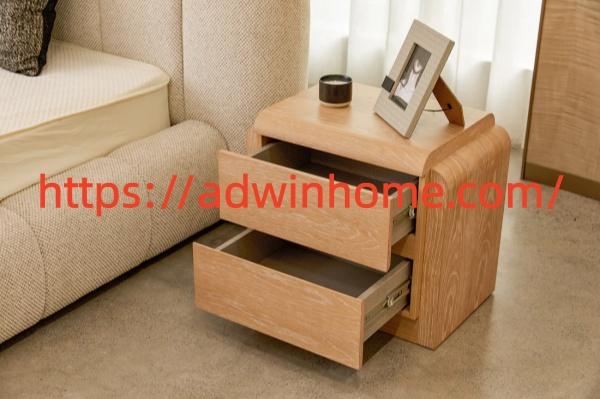
Ruth Night Stand offers practical drawer storage that keeps the upper surface free of everyday items. This approach supports a calmer bedside environment where only the essentials remain visible and within easy reach. Drawers create dedicated spaces for objects that tend to accumulate during the day. Reading materials charge cables and small personal care products move out of sight yet...
Decentralized Internet Momentum The Web 3.0 Blockchain Market is advancing as enterprises, developers, and consumers seek more transparent, secure, and user-controlled digital experiences. Built on distributed ledger technology, this market supports the shift away from centralized platforms toward peer-to-peer interactions, data ownership, and trustless transactions. As blockchain matures, Web...

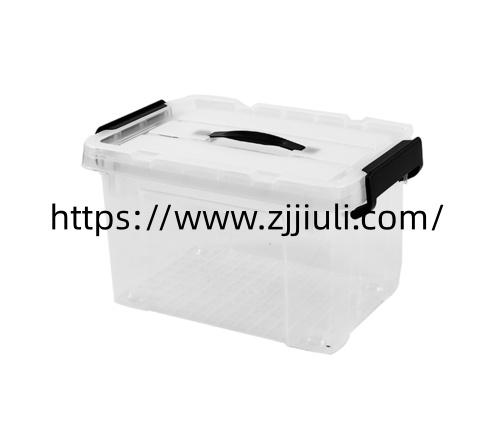
Shoe Plastic Box selection requires careful attention to dimensions, material, ventilation, access, stacking, and the type of footwear being stored. For households, retailers, and storage solution buyers, the right choice should fit both the products and the available space. A useful storage unit can help separate different pairs, reduce visual clutter, and make frequently used footwear easier...
The modernization of oil and gas drilling operations is being driven by the adoption of automated drilling equipment, which replaces manual, labor-intensive tasks with precise, machine-controlled processes. According to Market Research Future, the shift towards automation is a critical response to the industry's need for greater efficiency, enhanced safety, and the ability to tackle...