


Installation Automatic Pump Control: Monro Technology
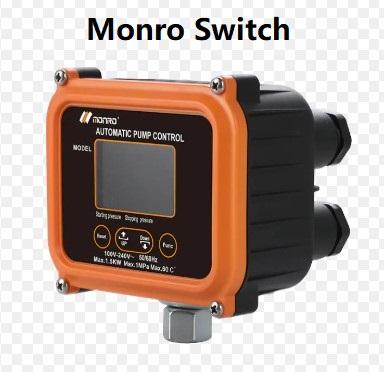
Water supply systems need dependable control solutions to maintain consistent pressure and respond efficiently to changing water demands. During the planning of residential, agricultural, and commercial pumping projects, Installation Automatic Pump Control becomes an important consideration for improving daily operation. A properly selected Installation Automatic Pump Control device can help coordinate pump starting and stopping, reduce unnecessary manual operation, and provide protection when water conditions change. Understanding the installation process, system compatibility, and operating requirements helps users build a practical water supply system that supports long-term performance.
Understanding the Requirements Before Installation
Before installing an automatic pump controller, it is important to understand how the complete water supply system operates. Pump capacity, pipeline diameter, water source conditions, and required outlet pressure all influence equipment selection.
Different applications may have different operating requirements. A domestic water supply system usually focuses on stable household pressure, while irrigation systems need to respond to changing water consumption across different outlets. Commercial facilities may require more consistent water delivery throughout their working processes.
Users should also check the controller's rated power, voltage, maximum current, connection size, and working pressure. Matching these specifications with the pump helps avoid compatibility problems and supports dependable operation.
Preparing the Pump and Pipeline Connections
Proper preparation makes installation easier and helps reduce potential maintenance issues. Before beginning, disconnect the electrical supply and inspect the pump, pipes, connectors, and available installation space.
The controller should be installed according to the manufacturer's instructions and the recommended water flow direction. Threaded connections need appropriate sealing materials to reduce leakage, while the supporting pipeline should be arranged to prevent unnecessary mechanical stress on the control unit.
It is also important to consider accessibility. A controller positioned where technicians can easily inspect its indicators and connections will make future maintenance more convenient. The surrounding environment should remain suitable for the product's specified operating temperature and protection requirements.
How Monro Controller Technology Supports Operation
Modern electronic pump controllers can simplify traditional water pressure management by combining several control functions in one unit. Instead of relying on multiple separate components, an integrated controller can monitor water pressure and flow conditions to determine when the pump should start or stop.
The EPC series from Monro uses dual control of pressure and flow. This operating principle allows the controller to respond to changes in pipeline pressure and water consumption. Certain models also provide dry-running protection, helping prevent continued pump operation when the water supply becomes insufficient.
Different models offer different connection arrangements, pressure settings, and electrical specifications. Therefore, distributors, contractors, and equipment buyers should compare product configurations with their intended applications before selecting a suitable controller.
Testing and Adjusting the Control System
After mechanical installation, the complete system should be inspected before normal operation. Check the pipe connections for leakage, confirm that the electrical wiring follows the product instructions, and make sure the pump is properly prepared for operation.
Once the system is ready, introduce water and observe the controller's response when an outlet is opened. The pump should start according to its configured starting conditions and stop when the required pressure and flow conditions are reached.
If the pump starts too frequently or fails to respond as expected, inspect the pipeline for leakage, check the water source, and review the pressure settings. Adjustments should always remain within the controller's specified operating range. Professional electrical installation and testing are recommended to support safe operation.
Maintenance Practices for Long-Term Performance
Regular inspection helps maintain reliable operation and makes it easier to identify potential problems. Users should periodically examine pipe joints, electrical connections, controller indicators, and the surrounding installation environment.
Unusual pump cycling, inconsistent water pressure, or unexpected shutdowns may indicate a problem with the water supply, pipeline, pump, or controller. Identifying these symptoms early can help reduce unnecessary interruptions and maintenance expenses.
For equipment distributors and water system contractors, selecting a controller with suitable specifications and accessible technical support is also important. A well-matched control solution can simplify system design while making daily water management more convenient.
Choosing the right controller involves more than comparing product appearance or installation methods. Electrical compatibility, pressure requirements, protection functions, and pipeline arrangements should all be considered together. For additional product information and automatic water pump control solutions, visit https://www.monroswitch.com/ to explore available models and find equipment suitable for different water supply applications.
Categories
Read More
The Agricultural Inoculants Market is increasingly shaped by the global emphasis on regenerative agriculture and soil restoration practices. Modern farming systems are recognizing that long-term productivity depends on biological balance beneath the surface. A major driver supporting this transition is the growing adoption of Soil Health Management Solutions, which integrate microbial...

The unsweetened applesauce market offers opportunities across regions, with varying dynamics shaped by consumer preferences, retail infrastructure, and health awareness. North America is the largest market, driven by health-conscious consumers and strong retail infrastructure. The U.S. and Canada have high per-capita consumption of applesauce, and unsweetened varieties are gaining share as...
Nowe trendy w grach slotowych online: jakie motywy i funkcje przyciągają graczy w 2026 roku W ciągu ostatnich kilku lat branża gier slotowych online przeżyła prawdziwą rewolucję. W 2026 roku możemy zaobserwować fascynujące zmiany w preferencjach graczy oraz innowacje, które przyciągają uwagę coraz szerszego grona użytkowników. W dobie dynamicznego rozwoju technologii oraz...

Roll Mouth Cupcake Liners bring together practical food presentation and convenient handling for bakeries, cafes, dessert shops, and home kitchens. Although serving accessories may seem like a small part of baking, they can influence how desserts are prepared, displayed, transported, and enjoyed. From a freshly prepared chocolate treat to a colorful dessert selection for a celebration,...
Zoom остается одним из популярных инструментов для проведения онлайн-встреч, видеоконференций, вебинаров, обучения и удаленной работы. Для российских пользователей, которые хотят продолжать пользоваться расширенными возможностями платформы, актуальным остается вопрос оплаты зарубежного сервиса.Компания GetPayAll предлагает пользователям возможность организовать оплату Zoom в рублях. Сервис...