Distributed Energy Resource Management Industry

The Distributed Energy Resource Management Industry is undergoing a transformative phase, driven by the integration of renewable energy sources, advancements in energy storage technologies, and regulatory support and policy development. This industry encompasses software platforms, hardware, and services that optimize the generation, distribution, and consumption of energy from decentralized sources—including solar energy, wind energy, energy storage systems, microgrids, and demand response—across residential, commercial, and industrial end users for demand-side management, power generation, and grid management applications.
According to recent market analysis, the Distributed Energy Resource Management Industry was valued at approximately USD 0.84 Billion in 2024 and is projected to grow to USD 2.527 Billion by 2035, exhibiting a Compound Annual Growth Rate (CAGR) of 10.5% during the forecast period 2025–2035. This growth is driven by several key factors. Consumer awareness and engagement regarding energy management are increasingly driving the market, with individuals becoming more informed about energy consumption and its environmental impacts, and a growing demand for solutions that empower consumers to take control of their energy use. The growing adoption of electric vehicles is emerging as a significant driver, with the number of electric vehicles on the road projected to exceed 300 million by 2030, creating a substantial market for energy management solutions. Additionally, the increasing demand for energy efficiency is a pivotal driver, with energy efficiency measures potentially reducing energy consumption by up to 30% in various sectors, and the market witnessing a surge in innovative solutions aimed at optimizing energy use. Technological advancements in smart grids are significantly influencing the market, with investments in smart grid technologies potentially reaching approximately 100 billion dollars by 2025.
The competitive landscape of the Distributed Energy Resource Management Industry features key players such as Siemens, Schneider Electric, General Electric, Honeywell, ABB, Enel X, Tesla, Eaton, Duke Energy, and NextEra Energy. Recent strategic developments include Siemens announcing a partnership with a leading renewable energy provider in August 2025 to develop a new digital platform aimed at optimizing energy distribution across urban areas, Schneider Electric launching an innovative energy management software in September 2025 that integrates artificial intelligence to predict energy consumption patterns, and Tesla unveiling a new energy storage solution designed for commercial applications in July 2025.
Regional analysis reveals that North America is the largest market, holding approximately 45% of the global market share, driven by increasing investments in renewable energy, supportive government policies, and a rising demand for energy efficiency, with the United States being the dominant player. Europe holds the second-largest position, accounting for approximately 30% of the global market share, propelled by stringent environmental regulations and ambitious renewable energy targets, with Germany, France, and the Netherlands at the forefront. Asia-Pacific is witnessing rapid growth, holding approximately 20% of the global market share, driven by increasing energy demands, urbanization, and government initiatives promoting renewable energy adoption, with China and India leading the charge. The Middle East and Africa region is emerging as a potential market, holding about 5% of the global market share, driven by increasing energy demands and a shift towards renewable energy sources, with South Africa and the UAE taking the lead. By technology, solar energy dominates the technology segment, while wind energy is the fastest-growing. By component, software has emerged as the largest segment, while services are the fastest-growing. By end user, the residential segment holds the largest share, while the commercial segment is emerging rapidly. By application, demand-side management leads in market share, while grid management is witnessing rapid growth.
Conclusion
The Distributed Energy Resource Management Industry is poised for sustained growth through 2035, driven by technological advancements, regulatory support, and increasing demand for renewable energy. Stakeholders who invest in integrated energy management software solutions, expansion of virtual power plant services, and energy storage systems for grid stability will be well-positioned to capitalize on the opportunities presented by this dynamic industry.
For detailed market insights, access the full report: Distributed Energy Resource Management Industry
Gain a competitive edge with insightful market reports:
UK Hydrogen Electrolyzer Market
South Korea Hydrogen Electrolyzer Market
Germany Hydrogen Electrolyzer Market
North America Hydrogen Electrolyzer Market
France Hydrogen Electrolyzer Market
Canada Hydrogen Electrolyzer Market
Categorie
Leggi tutto
Research suggests via WiseGuyReports that the global Airplane Tire Market Share is characterized by a tightly consolidated competitive landscape dominated by premier multinational tire manufacturers possessing the immense capital resources, proprietary rubber compounding expertise, and rigorous aerospace regulatory certifications required to supply commercial airlines, business jet operators,...

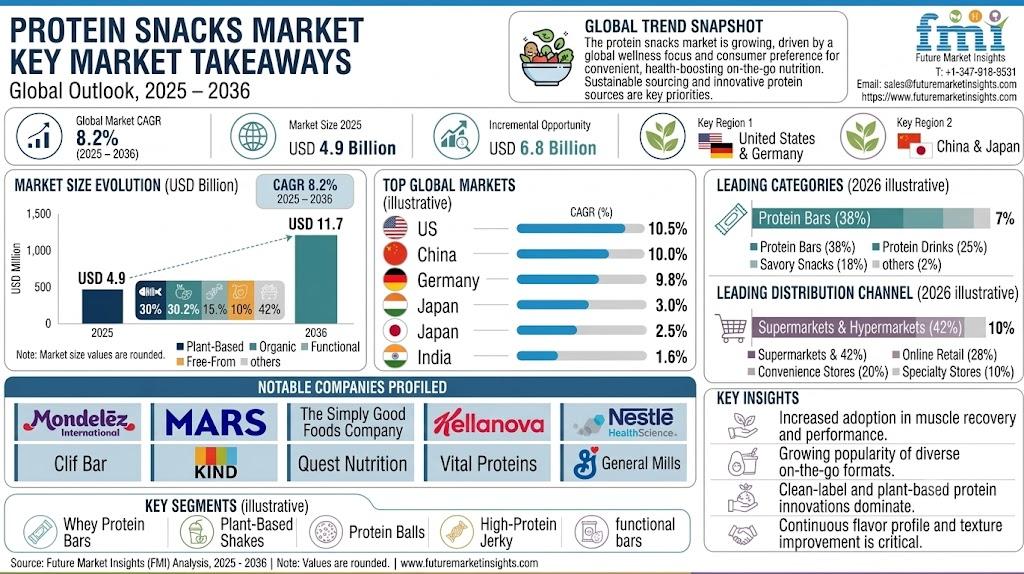
NEWARK, Del., October 15, 2026 — The global Protein Snacks Market is gaining momentum as consumers increasingly seek convenient, protein-rich food options that support active lifestyles, fitness goals, and everyday nutritional needs. Growing interest in high-protein diets, on-the-go consumption, and functional snacking is encouraging food manufacturers to expand their portfolios...
Technology is changing how skincare professionals evaluate facial skin and recommend cosmetic treatments. Facial skin analyzers use imaging systems, lighting techniques, and digital analysis software to examine visible skin characteristics. These devices can help assess concerns such as wrinkles, pigmentation, pores, texture, and surface oiliness, supporting more structured consultations in...

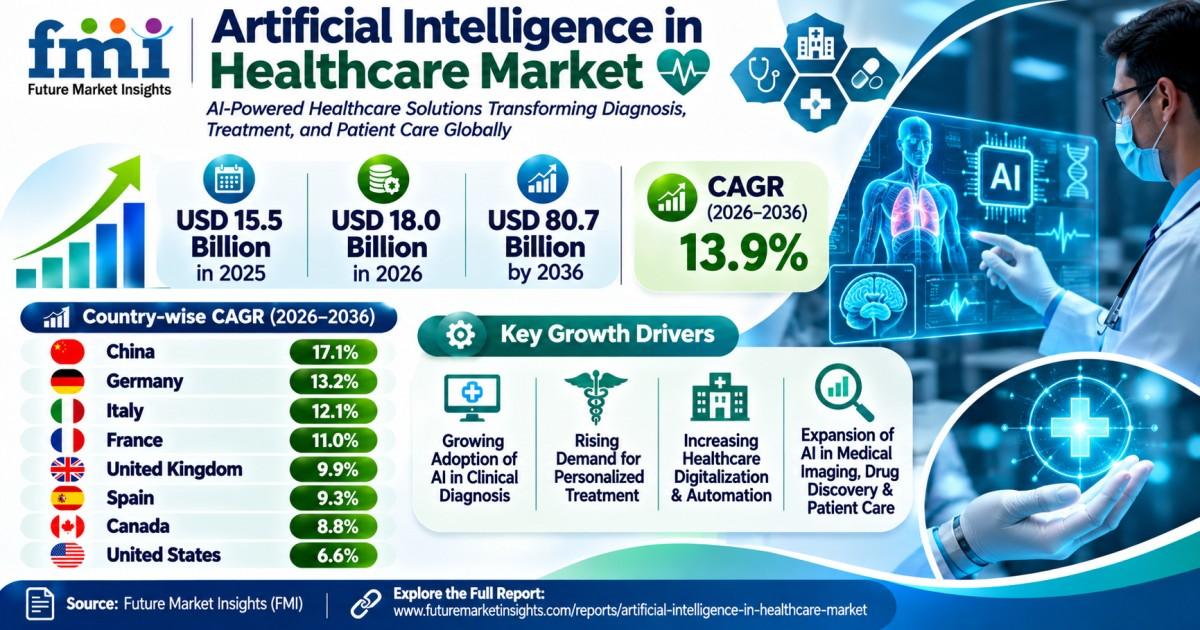
As healthcare requirements evolve, demand is increasing for solutions that can integrate with existing equipment and clinical processes. Medical technology companies are developing hardware, software, and services designed to support different healthcare applications, while regulatory requirements and clinical validation remain important considerations for adoption. Artificial...
Η αγορά των διαδικτυακών καζίνο το 2025: Αναδυόμενες αγορές και οι στρατηγικές...