Telematics Market Growth: Connected Mobility Innovations Transforming Fleet Operations Globally Through 2035

Market Growth and Connected Mobility Transformation
The Telematics Market Growth is being supported by the increasing integration of communication technologies, vehicle electronics, GPS navigation, and data analytics across the transportation ecosystem. Telematics combines telecommunications and informatics to collect, transmit, and analyze information from vehicles and connected assets. These systems help fleet operators monitor vehicle locations, evaluate driver behavior, manage fuel consumption, and improve operational efficiency. Automakers are also integrating connected technologies into passenger and commercial vehicles to provide navigation, emergency assistance, remote diagnostics, and digital services. As businesses seek better visibility into transportation activities, telematics platforms are becoming important tools for managing mobile assets. The growing adoption of connected vehicles, digital fleet management, and intelligent transportation solutions is creating opportunities for hardware manufacturers, software developers, connectivity providers, and service companies. This transformation is positioning telematics as an important technology for modern mobility.
Fleet Management and Operational Efficiency
Fleet management is one of the major application areas supporting telematics adoption. Organizations operating delivery vehicles, commercial trucks, service fleets, and public transportation systems need reliable information about vehicle location, utilization, maintenance, and driver performance. Telematics platforms provide dashboards and alerts that help managers understand fleet activity and identify operational problems. GPS tracking can improve route visibility, while vehicle diagnostics can help identify maintenance requirements before they interrupt operations. Driver behavior monitoring can also support safer driving practices by identifying speeding, harsh braking, excessive idling, and other patterns. These insights help businesses make more informed decisions about vehicle allocation, route planning, and maintenance scheduling. Fleet operators can also use historical information to evaluate performance and improve resource utilization. As transportation businesses focus on productivity, safety, and service reliability, telematics solutions are becoming increasingly relevant to daily fleet operations.
Connected Vehicles and Advanced Technologies
Connected vehicle technology is expanding the role of telematics beyond conventional location tracking. Modern systems can connect vehicles with cloud platforms, mobile applications, manufacturers, and transportation infrastructure. Embedded telematics units can support vehicle diagnostics, remote software updates, emergency assistance, navigation, and connected entertainment services. Artificial intelligence and data analytics can help transform vehicle information into useful operational insights. For example, predictive maintenance applications can identify unusual vehicle conditions and help schedule servicing. Advanced connectivity also supports communication between vehicles and external systems, creating opportunities for intelligent transportation and improved road safety. Electric vehicles are adding further requirements involving battery monitoring, charging information, range planning, and energy management. These developments are encouraging manufacturers and technology providers to develop more integrated telematics platforms that support different vehicle types and mobility requirements.
Industry Applications and Competitive Environment
Telematics is used across logistics, transportation, automotive manufacturing, insurance, construction, public services, and vehicle rental operations. Logistics companies use tracking systems to monitor deliveries and coordinate transportation activities. Insurance providers can use driving information to support usage-based insurance programs, subject to appropriate consent and data governance. Automotive manufacturers integrate connected features to improve vehicle functionality and customer experiences. Construction and equipment operators can monitor machinery location, utilization, and maintenance requirements. The competitive environment includes vehicle manufacturers, telematics hardware suppliers, software companies, telecommunications operators, and fleet technology providers. Companies compete through system reliability, data accuracy, connectivity options, platform usability, security, and integration capabilities. Partnerships between vehicle manufacturers and technology providers are also helping expand connected services. As customer expectations evolve, providers are increasingly focusing on solutions that combine hardware, software, connectivity, and actionable analytics.
Future Outlook Through 2035
The future development of the Telematics Market will depend on connected vehicle adoption, fleet digitalization, electric mobility, and advances in artificial intelligence. Fleet operators are expected to seek platforms that provide real-time visibility, predictive maintenance, driver safety insights, and improved operational planning. Automakers may continue expanding embedded connectivity and digital services throughout vehicle lifecycles. Artificial intelligence can support more proactive recommendations, while cloud platforms can make information accessible across distributed operations. However, data privacy, cybersecurity, system compatibility, and connectivity availability will remain important considerations. Providers must also address the needs of different fleet sizes and vehicle categories. Through 2035, telematics is expected to remain an important part of connected transportation, supporting more informed mobility decisions and efficient vehicle management.
FAQs
Q1. What is driving growth in the Telematics Market?
Connected vehicles, fleet management, GPS tracking, vehicle diagnostics, digital transportation services, and demand for operational efficiency are supporting growth.
Q2. Which industries use telematics solutions?
Automotive, logistics, transportation, insurance, construction, public transportation, and vehicle rental businesses use telematics.
Q3. How does telematics improve fleet operations?
It provides vehicle tracking, driver behavior insights, maintenance information, route visibility, and fleet performance monitoring.
Explore Our Latest Trending Reports!
Categorias
Leia mais
The global Blast Containment Receptacle Market is experiencing steady growth as heightened security concerns, stringent safety regulations, and the modernization of critical infrastructure drive demand for explosion-proof waste and hazardous material containment solutions . This comprehensive Blast Containment Receptacle Market analysis explores the evolving landscape of...

The Part Market exhibits diverse segmentation patterns across part types, materials, applications, and distribution channels, reflecting the varied requirements of different industries and end-users. With the market valued at USD 46.7 Billion in 2025 and projected to reach USD 65 Billion by 2035, understanding segment dynamics is essential for strategic positioning . For detailed segment...

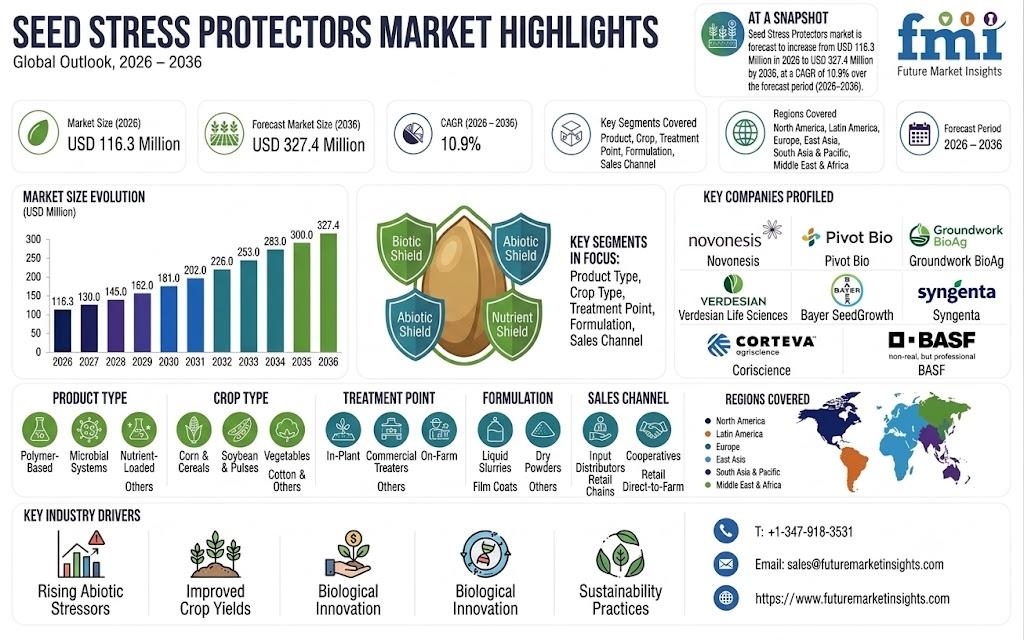
Seed Stress Protectors Market Polymer-Based Systems Lead Product Demand at 48.0% The global seed stress protectors market is forecast to increase from USD 116.3 million in 2026 to USD 327.4 million by 2036, expanding at a 10.9% CAGR during the 2026–2036 forecast period, according to Future Market Insights. Demand is rising as seed companies seek earlier stress control that can be...
Chronic conditions such as asthma, diabetes, and congenital heart disease affect many children, requiring ongoing management and care. Pediatric medicine addresses these conditions with a focus on growth, development, and quality of life. Managing chronic conditions in children involves medication, monitoring, education, and support for both the child and the family. Asthma is one of the most...

According to recent industry analysis from Market Research Future, strategic developments across the global Ship Electrical System Maintenance and Repair Market Industry Report sector are driving transformative shifts in commercial productivity, operational agility, and cross-border trade standards. Organizations operating within high-demand industrial ecosystems are increasingly reallocating...