Polyimide Coatings Market Analysis Reveals Emerging Opportunities in High-Performance Thermal and Chemical Resistance Applications
Industrial machinery operates under a wide range of demanding conditions, including elevated temperatures, friction, chemical exposure, vibration, and continuous mechanical loading. Equipment used in manufacturing plants, processing facilities, energy installations, and automated production lines requires materials that can maintain performance over extended operating periods. Polyimide coatings are relevant to selected industrial applications because of their thermal stability, mechanical strength, and resistance to certain chemicals and solvents. These properties make them useful for specialized protective and functional surfaces.
The Polyimide Coatings Market is supported by demand for high-performance coatings in industrial components, mechanical parts, tubing, and electrical equipment. Polyimide formulations can be applied to compatible substrates to improve their ability to withstand heat and demanding operating environments. In industrial systems where equipment reliability is essential, advanced coatings can help protect selected components and support longer operating cycles. Their suitability depends on the machinery design, substrate, exposure conditions, and required performance specifications.
Industrial automation is creating additional opportunities for specialized coating materials. Automated production equipment contains motors, sensors, actuators, electrical assemblies, and precision mechanical components. These systems may experience repeated movement, heat generation, and electrical stress. Polyimide coatings can provide insulation or surface protection in applications where these characteristics are required. As factories adopt more sophisticated automation technologies, the need for dependable materials in electrical and mechanical assemblies is becoming increasingly important.
The chemical processing industry is another potential application area. Processing equipment may encounter solvents, elevated temperatures, and aggressive operating environments. Polyimide materials offer resistance to certain chemicals and can be evaluated for selected components requiring specialized protection. However, chemical compatibility varies according to the specific polymer formulation and substance involved. Manufacturers must conduct appropriate testing before using a coating in a particular process environment.
Product development is focused on improving adhesion, wear resistance, coating consistency, and application flexibility. Industrial users require coatings that can be applied uniformly to components with different shapes and surface characteristics. Controlled solution-coating, dip-coating, and other specialized techniques can support the production of functional layers. Surface preparation and curing conditions remain important because they influence coating quality and long-term performance.
Despite their technical advantages, polyimide coatings can involve higher material and processing costs than conventional industrial coatings. Some formulations require specialized curing procedures, which may affect manufacturing throughput and equipment requirements. Industrial customers must assess whether the performance benefits justify the additional investment. Coating suppliers also need to provide detailed technical information to help customers select appropriate formulations.
As industrial automation, precision manufacturing, and advanced equipment development continue, demand for specialized high-temperature materials is expected to remain relevant. Polyimide coating manufacturers that offer consistent quality, application expertise, and reliable technical support can strengthen their position in industrial markets.
Categorias
Leia Mais
Reusable water bottles have become part of everyday routines at home, work, travel, sports, and outdoor activities, and people choosing a 40oz Water Bottle often look beyond simple capacity when comparing different designs. Material selection, purchasing priorities, functional engineering, manufacturing technology, user experience, maintenance, and visual appearance can all influence how...
Choosing a suitable Baozhiwei Led Custom Tail Lights Factory involves more than comparing product images. Buyers often look for a combination of thoughtful design, consistent production, and the ability to adapt to changing preferences within the automotive field. Tail lights today contribute not only to visibility but also to the overall character of a vehicle. Visual appeal has become...

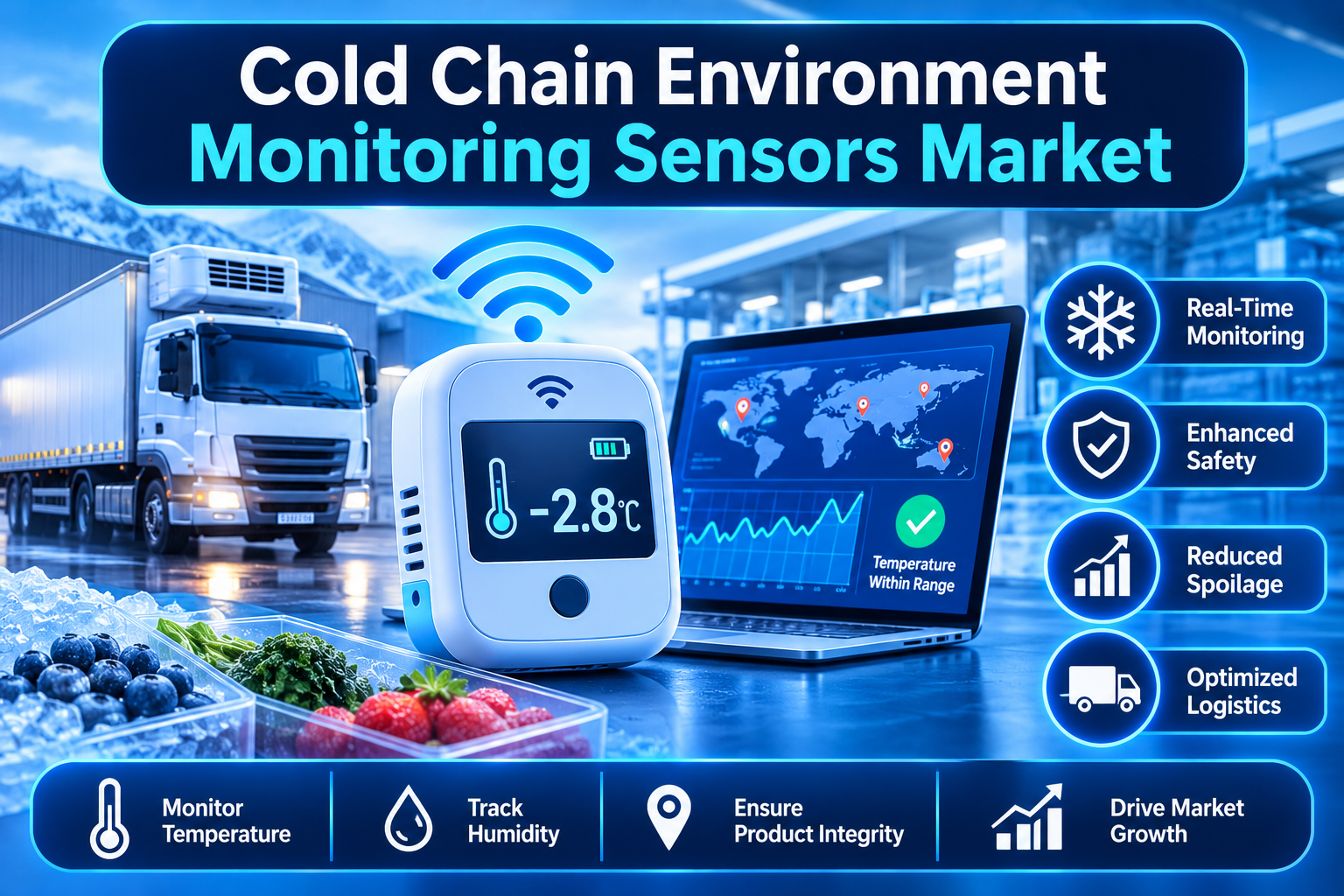
Temperature-sensitive products require controlled storage and transportation across pharmaceutical, food and other perishable-goods supply chains. Cold chain environment monitoring sensors provide continuous visibility into temperature, humidity, light exposure, door-open events, shock, tilt and location, helping operators identify excursions and maintain reliable records. According to...
The Edible Flakes Market continues to expand as food manufacturers introduce innovative breakfast and snack products designed to meet evolving consumer preferences. Consumers increasingly seek convenient foods that combine nutritional value with enjoyable taste and texture. Edible flakes provide manufacturers with a versatile ingredient that supports product innovation across cereals, snack...

Mental health care has become an essential part of overall wellness, especially as more people recognize the importance of addressing emotional, psychological, and behavioral challenges early. In Columbus, Georgia, individuals seeking support often look for specialized services such as Individual Therapy Columbus GA and Dual Diagnosis Treatment Columbus GA. These two approaches play a critical...