


Maritime Logistics and Services Market Growth Accelerates with Rising Demand for Efficient Global Trade Solutions
Containerized transportation has become a central component of global supply chains because it enables standardized handling, secure storage, and efficient movement of manufactured goods. Retail products, electronics, industrial components, textiles, machinery, and packaged consumer goods frequently travel through container shipping networks. The widespread use of standardized containers allows cargo to move between ships, trucks, and trains without repeated unloading of individual products. This operational advantage supports international trade and creates sustained demand for maritime logistics services.
The Maritime Logistics and Services Market benefits from the growing need for coordinated container transportation, port operations, freight forwarding, and distribution management. Shipping lines are strengthening global service networks to connect major manufacturing centers with consumer destinations. Logistics providers are also developing integrated solutions that include container booking, documentation, customs clearance, cargo tracking, and inland delivery. These services help importers and exporters manage complex shipping requirements while maintaining better control over transportation schedules.
The growth of e-commerce and international retail distribution is contributing to containerized cargo demand. Retailers increasingly source products from multiple countries, creating a requirement for reliable international freight services. Businesses also need logistics partners capable of coordinating shipments across different suppliers and destination markets. Container shipping supports these requirements by accommodating a wide variety of goods and enabling consolidated transportation. Freight forwarders play an important role by arranging space, managing shipping documents, and coordinating delivery schedules.
Port terminal efficiency is essential for maintaining the performance of container logistics networks. Container terminals require cranes, automated handling systems, storage yards, digital operating platforms, and effective gate management. Investments in infrastructure can improve loading and unloading operations while reducing congestion. Ports are also adopting appointment systems and digital platforms to coordinate truck movements and container availability. Better integration between terminals, shipping lines, and inland transport providers can strengthen overall supply-chain performance.
Despite these opportunities, container logistics companies face several challenges. Port congestion, equipment shortages, labor disruptions, changing trade regulations, and unexpected route closures can affect shipment schedules. Freight rates may also fluctuate due to variations in capacity, fuel costs, and international demand. Companies are responding by diversifying shipping routes, improving inventory planning, and developing stronger relationships with logistics partners. These measures can help businesses manage transportation uncertainty and protect delivery commitments.
Digitalization is expected to remain an important area of investment. Electronic bills of lading, automated booking systems, container tracking, and predictive analytics can improve transparency across shipping operations. Data-sharing platforms can also help customers monitor shipment progress and respond more quickly to delays. As international supply chains continue to evolve, containerized cargo services will remain important to maritime transportation. Providers that combine dependable vessel capacity, efficient terminal coordination, and customer-focused digital services are likely to strengthen their competitive position.
Categorias
Leia mais
De Toekomst van Verantwoord Gokken in Online Casino's: Strategieën en Innovaties voor Veilige Spelomgevingen De opkomst van online casino's heeft een revolutie teweeggebracht in de wereld van kansspelen. Terwijl technologie onze toegang tot gokken vergemakkelijkt, roept het ook belangrijke vragen op over de verantwoordelijkheden die daarbij komen kijken. Verantwoord gokken is essentieel om...

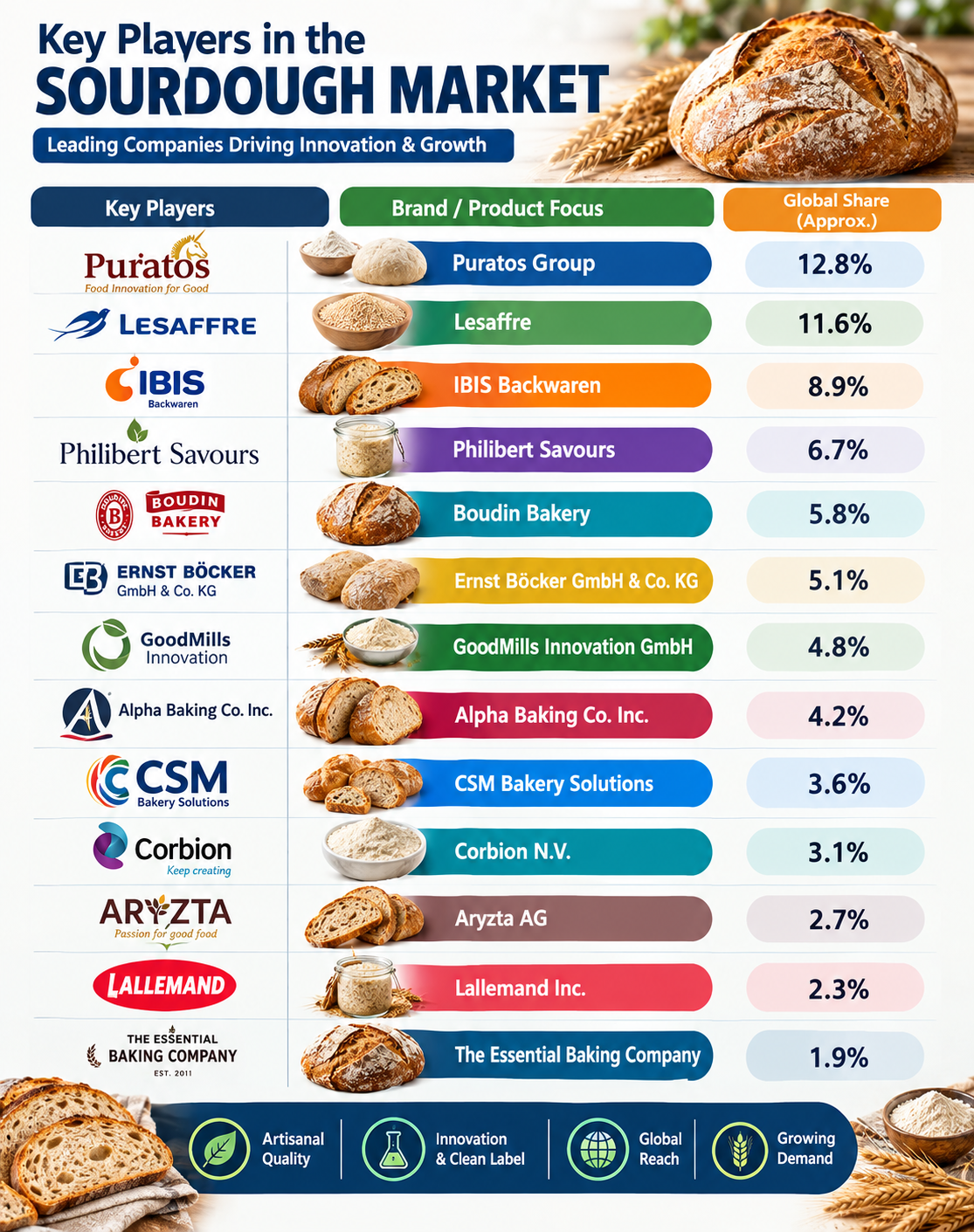
Sourdough Market to Reach USD 10.2 Billion by 2035 at 6.8% CAGR; Get free sample || Explore Full Market Study The global sourdough market is projected to expand from USD 5.9 billion in 2025 to USD 10.2 billion by 2035, registering a 6.8% CAGR during the forecast period. Traditional sourdough is expected to lead product demand with a 40.0% share, while organic sourdough is projected to account...
The Sports Management Software Market Size reflects consistent growth as organizations worldwide invest in technology solutions supporting operational efficiency and enhanced user engagement. The market reached substantial valuation in 2024 and is projected to grow significantly through 2035, registering moderate compound annual growth rate during the forecast period. Small and...

The expansion of the circular economy is creating significant opportunities across the silver industry. Silver is present in photovoltaic panels, electronic equipment, industrial products, medical applications, and other goods that eventually reach the end of their useful lives. Recovering this material can supplement primary mining while reducing waste and improving resource efficiency. The...

The Tahini Market is closely connected with changing attitudes toward food ingredients, everyday nutrition, and product transparency. Consumers are paying greater attention to how foods are prepared, which ingredients they contain, and how those ingredients fit into their preferred eating patterns. Tahini, produced by grinding sesame seeds into a paste, offers a distinctive flavor and creamy...