


YuNeng Steel Flask Buying Notes on Size, Lid and Handle
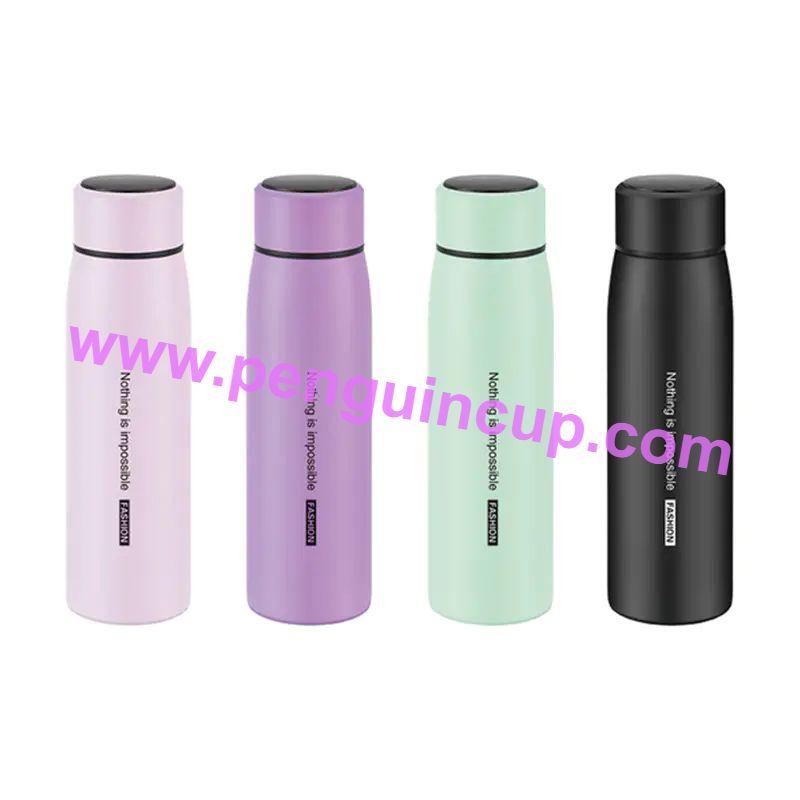
A common hesitation when shopping for an insulated flask is the suspicion that all of them are the same stainless steel cylinder with a different colour on the outside, and that any difference in price must come from the printing. Holding one in each hand usually corrects that, because a Thermos Flask Cup with Handle differs from a plain bottle in ways that show up in how you lift it, pour from it and clean it, and those are the things worth sorting out before looking at colours.
Capacity comes first, and it is easiest to decide by imagining the day the flask will actually serve. A large body suits a desk or a car footwell where nobody has to lift it far, while a smaller one rides in a bag without dragging at the shoulder, and a vessel that is only half filled does not look any different from a full one until you try to carry it. I like to picture the heaviest version, full of hot water, being tipped with one hand, since that is the moment the proportions of a flask either make sense or do not.
The handle is the reason this shape exists, so it deserves a closer inspection than the logo. I look at where it meets the body, whether it is welded or clipped on, and whether the join looks tidy and even when I turn the flask under a lamp. A handle should leave room for a whole hand with a winter glove on, and when I hang the flask from two fingers and give it a gentle shake nothing should creak or shift, because a fixing that rattles in a shop will only grow looser after months of use.
On the shelf where I tried several, one sample came from YuNeng, the maker behind the Penguin Cup name, a company founded in 1999 that produces stainless steel vacuum insulated cups, bottles and pots for export, and it sat next to a plainer bottle so the difference in how the two were balanced was easy to feel. I cannot speak for the inside of its factory, only for what was on the counter, where the weld lines and the rim looked evenly finished.
The mouth of the flask is the next thing I check, since a narrow opening keeps a drink hot or cold but is awkward to scrub, while a wide one takes ice and a bottle brush without a fight and also lets steam escape faster when the lid comes off. The lid itself matters as much as the body, so I unscrew it and look for a rubber ring that seats snugly in its groove, then thread it back on and see whether it turns smoothly or grates, because a lid that fights you every morning will end up in a drawer.
Insulation is the feature everybody asks about, and it is also the one that a shop cannot demonstrate in a minute. A vacuum wall holds heat or cold by leaving almost no air between the inner and outer layers, so the outside should feel close to room temperature even when the inside is hot, and I take a listing that describes the wall type plainly as more useful than one that quotes a dramatic number with no test conditions attached. If a flask arrives with the wall dented, the dent is worth noting, because a deep one can point to damage in the double layer.
Material safety is something I look for in the wording of the listing. A product page that names the contact materials and says the flask is free of a certain plastic compound gives you something to hold the seller to, whereas a vague phrase about being healthy gives you nothing, and I sniff the inside of a new flask and rinse it twice before the first drink, since a faint factory smell usually fades after some warm water and a little baking soda.
Weight and finish round out the list without taking much time. A powder-coated outer feels grippy in a wet hand and hides small scratches, while a bare polished one looks clean but shows every fingerprint, and I weigh the empty flask on a kitchen scale at home when the listing gives no figure, since the empty weight is what you carry every day whether or not it is full.
When I read through the cups, bottles and pots shown at https://www.penguincup.com/ I keep these checks in mind, and I tend to look at the rim and base first, since a pressed rim and a welded base are the parts that show how a Thermos Flask Cup with Handle has been made from stainless steel sheet.
الأقسام
إقرأ المزيد
The global IoT Smart Pressure Sensors Market was valued at USD 2.96 billion in 2026 and is projected to reach USD 6.099 billion by 2034, expanding at a CAGR of approximately 11.2% during the forecast period. This growth is detailed in a comprehensive new report published by Semiconductor Insight, highlighting the increasing adoption of connected pressure-sensing technologies across industrial...

The mascarpone cheese market is poised for a creamy and prosperous future, driven by sustained consumer interest in premium ingredients, culinary exploration, and the global reach of Italian cuisine. The Mascarpone Cheese Market is projected to experience steady growth over the coming decade, with several key trends and opportunities shaping its trajectory. Understanding these future...
North America holds a dominant position in the global nucleic acid therapeutics CDMO market, driven by a strong biotech ecosystem, advanced manufacturing infrastructure, and the presence of major CDMO players. The region's leadership is a critical factor shaping the direction of the Nucleic Acid Therapeutics CDMO Market worldwide. Strong Biotech Ecosystem and Innovation Pipeline The United...
NEWARK, Del., November 12, 2026 – The global organic fertilizer market is witnessing steady expansion as agricultural producers increasingly prioritize soil health, sustainable crop nutrition, and environmentally responsible farming practices. Growing adoption of certified organic agriculture, increasing awareness of soil degradation, and rising demand for naturally derived agricultural...

Modern defense installations, multinational banking conglomerates, government border controls, and hyperscale digital platforms increasingly rely on advanced physiological and behavioral authentication backbones, establishing the strategic foundation of the Next Generation Biometrics Industry. Conventional credentialing mechanisms—such as static alphanumeric passwords, numeric personal...