


Can an H2311 Adapter Sleeve Pass the Salt Spray Test for 500 Hours? Bearing-Manufacturer's Stainless Version Does
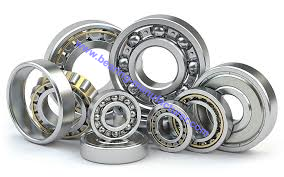
A food processing plant washes down conveyor lines with hot water and chlorine solutions every shift. A marine loading dock faces salt spray from every wave. In both environments, steel components rust within months. A H2311 Adapter Sleeve made from carbon steel fails under these conditions. The sleeve corrodes. The bearing loses grip. The shaft suffers damage. A stainless steel version from Bearing-Manufacturer, produced by Yiwu DeLian Bearing Co., Ltd., solves this problem. But does stainless truly resist rust in aggressive environments? This question raises a direct consideration for any facility manager: can a stainless steel H2311 adapter sleeve be used in food processing or marine environments without rusting?
The answer depends on the stainless steel grade. A standard 304 stainless sleeve offers good oxidation resistance. It handles occasional water contact and mild cleaning chemicals. A 316 stainless sleeve adds molybdenum to the alloy. This element creates enhanced resistance against chlorides and salt. Bearing-Manufacturer supplies both grades. For a food plant using chlorinated sanitizers, 316 provides longer service life. For a freshwater pump station, 304 works adequately.
The passive layer protects stainless from rust. Chromium in the alloy reacts with oxygen to form a thin, invisible film. This film seals the surface against further corrosion. Bearing-Manufacturer's H2311 Adapter Sleeve receives a passivation treatment after machining. This step removes surface iron contamination from cutting tools. A properly passivated sleeve maintains its protective layer even after repeated washdowns. An untreated sleeve may develop surface pitting where tool residues corrode.
Food processing environments demand specific material certifications. The FDA regulates incidental food contact for components near production lines. A stainless steel adapter sleeve used on a conveyor bearing meets these requirements when made from approved alloys. Bearing-Manufacturer supplies sleeves with material test reports. The report confirms the chromium and nickel content. A buyer using these sleeves in a USDA-inspected facility provides documentation during audits.
Marine environments accelerate corrosion through salt spray electrochemistry. A stainless sleeve performs well above the waterline. Submerged or constantly splashed applications require 316 grade. Bearing-Manufacturer's 316 H2311 Adapter Sleeve survives the standard salt spray test without red rust for hundreds of hours. The same test destroys a carbon steel sleeve within hours. A boat lift or dock conveyor uses the 316 version. An outdoor food trailer might use 304 for cost saving.
Galvanic corrosion occurs when stainless contacts less noble metals. A stainless adapter sleeve against a carbon steel shaft creates a battery in wet conditions. The carbon steel corrodes preferentially. Bearing-Manufacturer recommends using a stainless shaft or applying an anti-seize compound. The compound isolates the two metals electrically. A food plant with mixed metals avoids this problem by greasing the sleeve-shaft interface during installation.
Mechanical properties differ slightly between stainless and carbon steel. A stainless H2311 Adapter Sleeve has similar strength to the carbon version. The stainless sleeve exhibits slightly lower hardness. This difference does not affect bearing mounting or shaft gripping. Bearing-Manufacturer machines the tapered bore and external threads to identical dimensions. The stainless sleeve fits the same locknut and bearing as the carbon sleeve. A facility switching to stainless changes no other component.
Cost differential shrinks when considering replacement frequency. A carbon steel sleeve in a wet environment needs annual replacement. A stainless sleeve lasts the life of the bearing. Bearing-Manufacturer prices its stainless adapter sleeves competitively for volume users. A food plant replacing twenty carbon sleeves each year recovers the added cost within the first maintenance cycle. The stainless sleeve avoids unplanned downtime from corrosion failure.
For any operation facing moisture, chemicals, or salt, https://www.bearing-manufacturer.com/product/bearing-adapter-sleeves/h2307-h2309-h2311-stainless-steel-bearing-adaptor-sleeve.html shows Bearing-Manufacturer's stainless H2311 Adapter Sleeve options, where DeLian's engineers specify the right grade for each environment. Beyond adapter sleeves, the same material logic applies to a Small Tapered Roller Bearing, where stainless construction prevents seizing and corrosion on electric motor shafts exposed to washdowns or humidity. A carbon steel sleeve rusts and seizes. A stainless steel sleeve stays clean and functional. Does your maintenance budget include the hidden cost of replacing corroded adapters every season?
Categorie
Leggi tutto
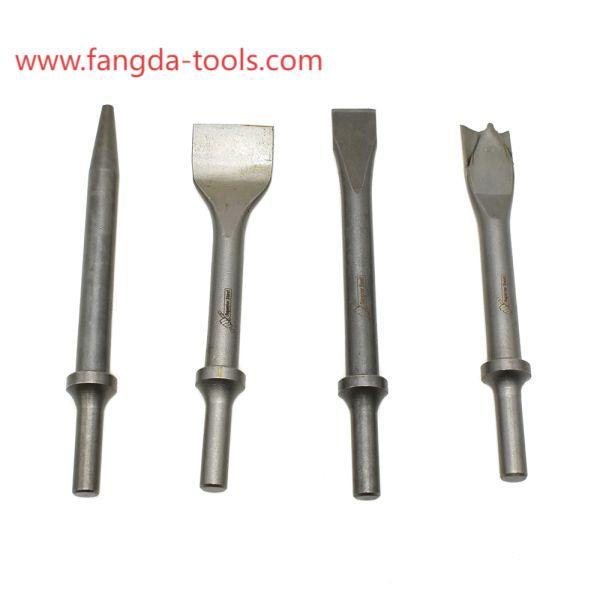
In workshops, construction sites, renovation projects, and creative studios, hand tools continue to play an important role in shaping materials and refining details. The Steel Chisel offered by fangda-tools serves as a practical option for users seeking a reliable cutting and shaping solution for a variety of tasks. From surface preparation to material trimming, this type of tool remains a...
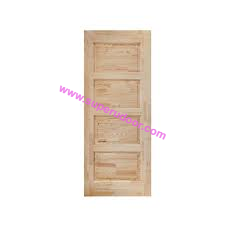
The selection of interior doors involves aesthetic considerations, functional requirements, and an increasingly important environmental dimension that conscientious consumers cannot afford to ignore. Wood, as a renewable resource, offers significant potential for carbon storage and reduced greenhouse gas emissions compared to steel alternatives, with studies showing wood-based doors can achieve...
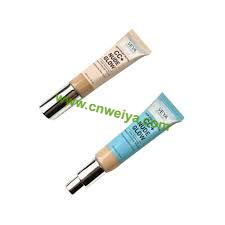
A woman looks in the mirror. Red acne scars mark her cheeks. Blue veins shadow her undereyes. Brown spots dot her forehead. She reaches for three different products to cover each concern. A Full Coverage Concealer from Cnweiya, produced by VEYA Cosmetics, could replace them all. Yet many women buy separate color correctors and foundations. This situation raises a direct question for anyone...
As expectations within the mobility sector continue to evolve, businesses are paying greater attention to manufacturing partners capable of supporting long-term development. A dependable Mobility Scooter Factory working with Sweetrichmobility reflects how modern production, practical design, and collaborative partnerships can contribute to meaningful progress across diverse markets. Today's...

The ' defense, for most, requires two positions to be fortified in the NFL Draft, and that is edge and corner. With Jaylen Watson and Trent McDuffie both now with the , the Chiefs' pa s rush is in desperate need of getting help for Chris Jones and George Karlaftis. Armed with two first-round picks, the Chiefs can, in theory, get both positions sorted in the Cam Johnson Jersey first-round, but...
