


Marine Coatings Market Innovations Transforming Next-Generation Ship Protection, Offshore Coatings, and Maritime Infrastructure Applications
Marine coatings are evolving as the maritime industry seeks improved corrosion protection, lower maintenance requirements, better vessel efficiency, and reduced environmental impact. Coating manufacturers are investing in formulation research, surface technologies, application methods, and product testing to meet these requirements. The need to protect commercial vessels, naval fleets, offshore structures, and port infrastructure creates a broad application base for continued innovation.
The Marine Coatings Market is influenced by several interconnected developments, including global shipping activity, vessel maintenance, offshore energy investment, environmental regulation, and advances in protective materials. Shipowners increasingly consider coating performance over the full operating life of a vessel rather than focusing only on initial purchase costs. Longer-lasting systems can reduce repainting frequency, dry-docking requirements, and maintenance-related interruptions.
Antifouling innovation is an important area of development. Traditional systems rely on controlled-release technologies to discourage marine organisms from attaching to underwater hulls. Newer approaches include fouling-release coatings designed to create surfaces that make attachment more difficult. Manufacturers are also exploring alternatives that reduce environmental concerns while maintaining effective protection. Product performance must be assessed against vessel speed, operating routes, water conditions, and cleaning practices.
Corrosion protection is undergoing similar development. Advanced epoxy formulations, modified polymer systems, high-solids coatings, and specialized primers are being developed to improve adhesion, chemical resistance, and durability. Research into nanomaterials and multifunctional additives may provide additional performance benefits in selected applications. These innovations are particularly relevant to offshore structures, ballast tanks, and marine equipment exposed to demanding service conditions.
Digitalization is also influencing coating inspection and maintenance. Digital inspection records, coating condition monitoring, and improved documentation systems can help shipowners and contractors plan maintenance more effectively. Data relating to surface preparation, application conditions, dry-film thickness, and inspection results can support quality assurance and improve traceability. These tools are especially useful for large fleets and complex offshore projects where consistent maintenance practices are important.
Environmental compliance will continue to shape product development. Restrictions on harmful antifouling substances and growing attention to volatile organic compounds are encouraging manufacturers to develop alternative formulations. Waterborne and high-solids products may help reduce solvent emissions in suitable applications, while longer coating life can limit the frequency of maintenance activities. However, new products must demonstrate dependable performance under actual marine operating conditions.
Competition in the industry will depend on technical quality, product approvals, application support, distribution networks, and the ability to meet different customer specifications. Shipbuilders, ship repair yards, offshore operators, and fleet owners require solutions suited to their particular assets and operating environments.
Looking ahead, the marine coatings industry's development will be shaped by the balance between protection performance, environmental responsibility, and lifecycle economics. Manufacturers that invest in durable formulations, compliant antifouling technologies, advanced corrosion protection, and reliable technical services can strengthen their position as maritime infrastructure and shipping requirements continue to evolve.
Catégories
Lire la suite
Long Shank Burs are widely used in industrial machining environments where deep cavity processing, internal shaping, and narrow-area finishing are required. In modern manufacturing, industries often need machining accessories that can reach difficult internal sections while supporting controlled material removal. These products are commonly applied in metalworking operations that involve molds,...

The Gas Turbine Power Generation market is the backbone of modern grid stability, providing the flexible, dispatchable capacity needed to balance the growing share of intermittent renewable energy. According to Market Research Future, gas turbines are essential for meeting peak demand, providing fast-start peaking power, and backing up variable wind and solar generation. Their ability to...

Recent analyses indicate a substantial shift in Isobutene Market Share dynamics, poised to reshape the competitive landscape significantly by 2035. With an anticipated market size of 54.51 USD, the isobutene market is experiencing a compound annual growth rate (CAGR) of 5.20%. This growth trajectory is driven by a confluence of factors, including rising demand in the automotive and...

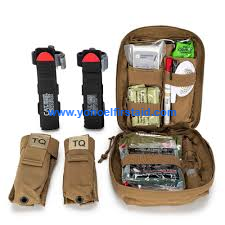
Procurement specialists and tactical equipment coordinators examine certifications when selecting partners for Combat Military First Aid Kit Manufacturer services because these credentials confirm adherence to rigorous safety and performance criteria essential for life saving applications. Reliable production processes protect end users operating in high risk environments where equipment...
The IGBT Module for New Energy Vehicle (NEV) Market is expanding rapidly as electric and hybrid vehicles require increasingly efficient power-conversion systems. According to Semiconductor Insight, the market was valued at US$ 3.18 billion in 2025 and is projected to grow from US$ 3.64 billion in 2026 to US$ 8.07 billion by 2034, registering a CAGR of 14.3%. Get Full Report...
