What Should Buyers Check in a Trolley Luggage Factory?

Trolley Luggage Factory selection requires careful preparation from importers, wholesalers, retailers, and private-label brands. A suitable production partner should be able to understand product requirements, communicate technical details, coordinate customization, and organize orders according to agreed specifications. Buyers should therefore look beyond catalogue images and initial quotations. Reviewing the development process, sample arrangements, production capacity, and communication methods can provide a clearer picture of how a supplier may support a long-term business relationship.
Prepare a Detailed Product Requirement List
Before requesting a quotation, buyers should prepare a clear description of the products they intend to purchase. Useful information includes dimensions, shell structure, exterior finish, interior layout, color preferences, handle design, wheel configuration, and intended sales market.
A detailed requirement list helps reduce misunderstandings during communication. For example, two products may have similar exterior appearances but different internal structures, component specifications, or packing requirements. These differences can influence material selection, production arrangements, and the final quotation.
Buyers should also identify which specifications are fixed and which can be adjusted. This distinction allows the production team to understand the essential requirements while suggesting practical alternatives when necessary.
Ask About Material Availability and Design Options
Material selection influences product weight, appearance, flexibility, and structural characteristics. Common hard-shell options include ABS, PC, and polypropylene, while soft-sided designs may involve polyester, nylon, and other textile materials.
Buyers should ask about available material grades, thicknesses, textures, surface treatments, and color choices. If the project requires a specific material, request confirmation that it can be used for the proposed design. This is particularly important when developing several models for different customer groups.
Design options should also be discussed in detail. Exterior patterns, lining colors, logo positions, decorative elements, handles, and interior compartments may all affect the development process. Providing reference images and design files can help the supplier understand the intended appearance.
Review Customization and Branding Arrangements
Private-label projects often involve more than adding a logo to an existing product. Buyers may require coordinated colors, customized lining, printed labels, special packaging, or changes to selected components.
Ask which customization options are available and whether certain changes involve additional tooling or development costs. It is also useful to clarify the required artwork format, logo dimensions, color references, and approval procedure.
Packaging should be included in the discussion. Retail cartons, protective covers, product labels, and shipping marks may need to follow specific brand guidelines. Confirming these details before production helps avoid last-minute adjustments.
For buyers developing a new collection, it is helpful to separate standard configurations from customized versions. This makes product planning easier and allows purchasing teams to compare different quotation options.
Establish a Clear Sample Review Process
Samples allow buyers to check product details before committing to a larger order. During evaluation, review the exterior finish, dimensions, stitching, internal compartments, wheel movement, handle operation, zipper function, and component installation.
Instead of relying on general comments, prepare a written inspection list. Record any differences between the sample and the original requirements. If changes are needed, provide photographs, measurements, or marked drawings to explain the requested adjustments.
The approval process should also identify the final sample version. Keep approved specifications, color references, artwork, and component information together so that both parties can use the same reference during production.
For projects involving several sizes or colors, buyers should clarify whether each variation requires a separate sample. This can help establish a realistic development schedule.
Understand Production Management and Inspection
Before placing an order, ask how materials are prepared, how components are coordinated, and how different product models are scheduled. These details can help buyers understand whether the proposed order arrangement matches their purchasing plan.
Quality management should be discussed through specific inspection items. Incoming materials may be checked against agreed requirements, while assembly inspections can focus on dimensions, stitching, surface condition, and component installation.
Final inspection can include appearance, wheel movement, handle operation, zipper performance, product completeness, and packaging condition. Buyers should ask whether inspection records are available and how nonconforming items are handled.
It is also worth confirming whether a pre-shipment inspection can be arranged. Agreeing on inspection criteria before production begins gives both parties a shared understanding of the expected results.
Confirm Commercial Terms and Delivery Details
Commercial arrangements should be reviewed before an order is finalized. Buyers need to confirm minimum order quantities, sample costs, payment terms, production schedules, packaging requirements, and shipping arrangements.
For orders with multiple colors or models, ask whether separate quantity requirements apply. If a design change is requested after sample approval, clarify how it may affect the quotation and delivery schedule.
Shipment preparation also deserves attention. Discuss carton dimensions, protective materials, product labels, shipping marks, and packing lists. If the order includes several product variations, confirm how each model will be identified and counted.
Clear written communication can help prevent confusion between the purchasing team and the production department. Buyers should keep quotations, approved samples, specifications, and order changes properly documented.For businesses planning new travel product collections, trolleycasefactory provides product information and a starting point for discussing design requirements, customization options, and purchasing arrangements. Buyers can visit https://www.trolleycasefactory.com/product/ to review available models and contact the team about sample development, product specifications, and potential orders.
الأقسام
إقرأ المزيد
Keeping the exterior of a property clean is one of the best ways to maintain its beauty, value, and longevity. Over time, dirt, algae, mildew, mold, pollen, and other contaminants settle on walls, driveways, patios, sidewalks, and brick surfaces. If left untreated, these substances can stain materials and gradually weaken their appearance. Hiring a Local pressure washing company is an effective...

The Transformation of Online Casino Regulation: Navigating Compliance and Legal Challenges in the Global Gambling Market of 2025 The online gambling industry has https://verdecasino.com/en/category/buyfeature undergone significant transformation over the past decade, with the prevalence of innovative technology, evolving consumer preferences, and an increasingly competitive landscape. As we...

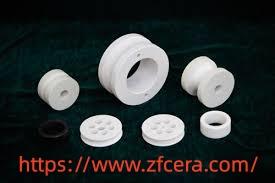
High-performance engineering and manufacturing applications require materials that combine durability, stability, and precision. Ceramic structural parts meet these requirements, offering resistance to heat, wear, and chemical exposure while maintaining accurate dimensions. These components are widely implemented in industries such as aerospace, energy, medical devices, and industrial...
Carbide Endmills play an important role in modern metalworking by helping manufacturers achieve accurate dimensions, cleaner surface finishes, and efficient material removal. As industries continue to demand tighter tolerances and more complex component designs, selecting suitable cutting tools has become a critical part of production planning. Whether used in automotive manufacturing,...

The testing and validation of power electronics across diverse applications is being advanced by electronic load systems that provide programmable load simulation with high precision and flexibility. Findings from Market Research Future indicate that as power electronics become more sophisticated, electronic load systems continue to evolve with enhanced capabilities and improved...