What Should Buyers Check in a Universal CNC Lathe?
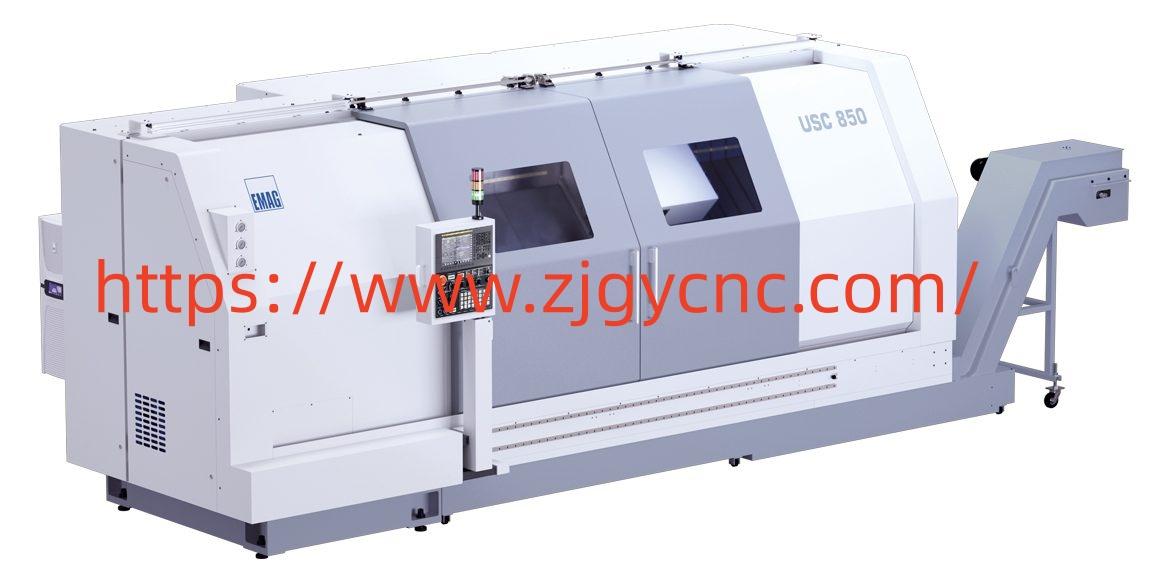
Universal CNC Lathe selection requires buyers to consider more than the machine price or listed specifications. Different workshops handle different materials, workpiece dimensions, production volumes, and machining tasks. A suitable machine should match these practical requirements while providing an appropriate balance between operating flexibility, processing capacity, and maintenance needs. Before placing an order, buyers should review several technical and commercial factors to make a well-informed purchasing decision.
Evaluate Workpiece Dimensions and Machining Requirements
The size and shape of the workpiece are important starting points when comparing turning equipment. Buyers should identify the maximum workpiece diameter, required turning length, and typical component geometry. These details help determine whether the machine has enough working space for regular production tasks.
It is also useful to prepare several representative drawings before contacting a manufacturer. Include material information, dimensional tolerances, surface finish expectations, and the main machining operations. With these details, the supplier can better understand the intended application and recommend a suitable configuration.
Buyers should also consider future production plans. If the workshop expects to process larger components or handle a wider range of jobs, selecting equipment with appropriate capacity can provide more flexibility over time.
Check Spindle Performance and Power Configuration
The spindle directly affects how a machine handles different materials and cutting conditions. Its speed range, available torque, power rating, and bore size should correspond to the workpieces being processed.
For example, jobs involving larger diameters or demanding cutting operations may require a different spindle configuration from those involving smaller components and lighter cutting loads. Buyers should avoid evaluating spindle speed as an isolated specification. The relationship between speed, torque, tooling, and material characteristics is equally important.
It is advisable to discuss common production materials with the manufacturer. This allows both sides to assess whether the proposed spindle arrangement can support the intended machining process.
Examine Machine Structure and Working Stability
Machine construction influences operating stability, dimensional consistency, and the equipment's ability to handle different workloads. Buyers should review the bed structure, guideway arrangement, component quality, and overall assembly.
A stable structure helps reduce unwanted vibration during cutting. This is particularly relevant when production involves repeated operations, longer machining cycles, or components with demanding dimensional requirements.
Buyers can also ask about the machine's installation conditions. Floor requirements, workshop space, power supply, and environmental conditions should be considered before delivery. Proper preparation helps make installation and commissioning more straightforward.
Consider Tooling Options and Operation Flexibility
Tooling compatibility affects the range of operations a machine can perform. Buyers should check the available tool stations, tool dimensions, workholding arrangements, and support for accessories.
Different production tasks may require external turning, facing, boring, threading, or other operations. A suitable tooling arrangement can help reduce unnecessary setup changes and make production planning easier.
Workholding deserves similar attention. Chuck size, clamping method, and compatibility with different workpiece shapes should be reviewed alongside the machine specifications. Buyers should explain their common component designs to the manufacturer so that the proposed arrangement reflects actual workshop conditions.
Review the Control System and Programming Requirements
The control system affects daily operation, program preparation, and production management. Buyers should consider whether the interface is practical for their operators and whether the available functions match the complexity of their machining tasks.
It is also important to understand programming requirements, operating procedures, and training arrangements. Workshops with limited experience using automated turning equipment may need additional guidance during installation and commissioning.
Before ordering, buyers can ask the supplier to explain the main operating functions and available training support. A clear understanding of these details can help reduce adjustment time after delivery.
Understand Maintenance and Spare Parts Requirements
Maintenance planning should be part of the purchasing process rather than an issue considered after installation. Buyers should ask about routine inspection points, lubrication requirements, replacement intervals, and commonly used spare parts.
The availability of technical assistance also matters. If a component requires adjustment or replacement, access to clear instructions and suitable support can help the workshop manage downtime.
A manufacturer should be able to explain the recommended maintenance process and provide relevant documentation. Buyers should confirm which service items are included in the purchase and which may need to be arranged separately.
Choose a Manufacturer That Understands Your Production Goals
A reliable purchasing decision depends on clear communication between the buyer and the manufacturer. Rather than comparing quotations only by price, buyers should review the proposed configuration, delivery details, technical documentation, inspection arrangements, and after-sales support.
At zjgycnc, discussions about workpiece dimensions, material types, machining operations, and workshop conditions can help identify equipment configurations that correspond to different production needs. Buyers are encouraged to prepare drawings and application details before requesting a quotation, making technical communication more specific.By reviewing these factors in advance, workshops can compare available options with greater clarity and reduce the risk of choosing equipment that does not match their actual workload. For further information about turning equipment and available machine configurations, visit https://www.zjgycnc.com/
Categorias
Leia Mais
Hermes For an instant jolt to your spring wardrobe, look to cobalt-hued carryalls from, a label whose fearless embrace of color shows no signs of slowing down. take a cue from the street style set. During Paris Couture Week, fashion insider offered a master class in styling, pairing cobalt pouch another key handbag silhouette of the season with a tailored lady jacket, relaxed trousers, and...

The Ground Handling Service Market plays a critical role in ensuring the smooth functioning of airport operations worldwide. From aircraft marshaling and baggage handling to fueling, catering, and passenger assistance, ground handling services form the backbone of aviation logistics. As global air traffic continues to rise, driven by tourism, business travel, and e-commerce cargo demand, the...

Security products are expected to provide stable protection under a wide range of conditions, yet daily exposure to moisture, dust, and repeated handling can gradually affect lock performance. Consumers now pay closer attention to material durability, operational smoothness, and corrosion resistance before selecting security hardware. Zinc alloy padlock and Iron padlock products...

The global cream cheese market is characterized by a dynamic and competitive landscape, with a diverse mix of established dairy conglomerates, regional specialists, and emerging plant-based players vying for market share. The Cream Cheese Market is shaped by the strategies of key players like The Kraft Heinz Company, Lactalis Group, Arla Foods, Saputo Inc., and Danone S.A., each...
The maintenance of solar panels to ensure optimal energy output and maximize system lifetime is being enabled by solar panel maintenance services that include cleaning, inspection, and repair of system components. Findings from Market Research Future indicate that as solar installations age, demand for professional maintenance services continues to grow. Report Key Statistics Market...