Expanding Advanced Authentication Market Size Driven by Hybrid Workforce Security
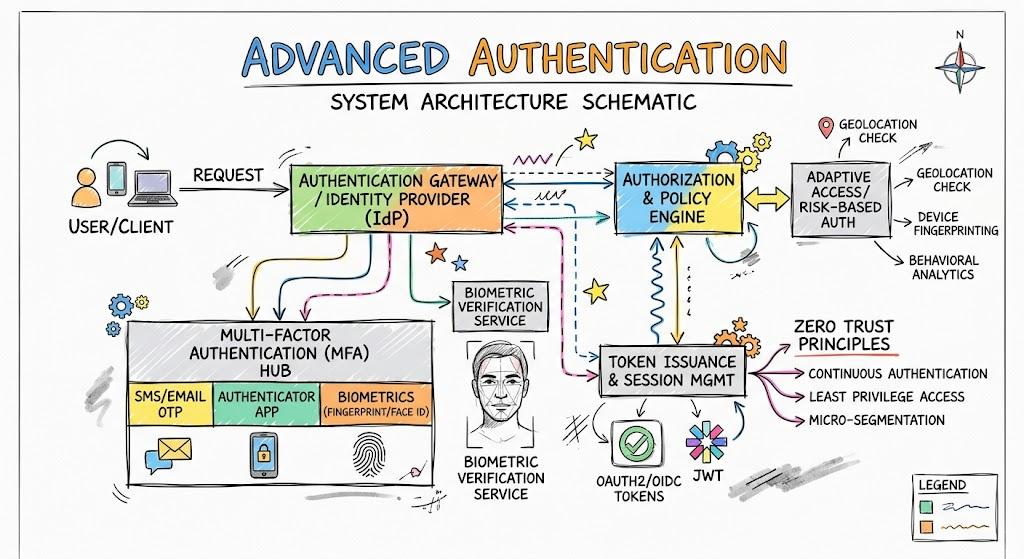
Remote Work Proliferation and Cloud Migration Propel Software Expenditure
The expanding Advanced Authentication Market Size reflects surging corporate capital allocation toward identity-as-a-service platforms, multi-factor software suites, and automated risk-scoring engines worldwide. As hybrid work models stabilize permanently and enterprise workloads migrate en masse to multi-cloud environments, traditional physical network perimeters have dissolved entirely, making identity the new corporate security perimeter. Operating with fragmented local directory services or unmanaged credentials generates severe operational vulnerabilities, unauthorized lateral movement, and catastrophic data breach risks. Consequently, chief information security officers direct substantial technology budgets toward comprehensive advanced authentication platforms capable of securing distributed workforces at enterprise scale. Beyond initial software licensing, organizations invest heavily in identity directory migration, API integrations, employee security training, and managed authentication services, broadening commercial demand across industries.
Cloud Identity-as-a-Service and Managed Security Services Anchor Commercial Demand
Within the commercial landscape, cloud-native identity-as-a-service platforms and managed security services represent the primary engines of industry expansion as organizations prioritize scalable, subscription-based deployment models over capital-intensive on-premise hardware. Modern software suites consolidate critical verification capabilities—including single sign-on, adaptive risk engines, biometric integration, and directory synchronization—into unified cloud control planes. Subscription delivery models enable businesses to scale user licenses elastically during corporate restructuring or seasonal hiring while benefiting from continuous vendor updates in threat intelligence and artificial intelligence defense. Professional consulting and managed authentication services remain vital commercial complements, assisting complex enterprises with legacy system integration and compliance auditing. However, recurring software subscriptions increasingly anchor vendor revenues as businesses favor predictable operating expenditure models.
Small and Medium Enterprises Accelerate Adoption Through Accessible Cloud Subscriptions
While large multinational corporations and financial institutions historically accounted for the overwhelming majority of identity security expenditure, small and medium-sized enterprises are rapidly emerging as a major commercial growth catalyst. Historically, prohibitive software licensing fees, complex hardware token deployments, and scarce cybersecurity administration talent prevented mid-sized businesses from implementing advanced verification controls. The proliferation of cloud-native, software-as-a-service delivery models has decisively eliminated these traditional barriers to entry. Vendors now offer modular, consumption-based subscription packages that allow growing organizations to start with basic multi-factor protection before scaling adaptive risk analytics alongside business expansion. Moreover, mid-sized firms face identical supply chain security audits and cyber insurance prerequisites as their larger competitors when serving enterprise clients, accelerating widespread democratization across mid-market segments.
Regional Commercial Expansion Reflects Digital Maturity and Regulatory Intensity
Commercial expenditure across geographic regions demonstrates distinct expansion patterns shaped by regional regulatory strictness, cloud infrastructure maturity, and remote workforce density. North America maintains a commanding commercial presence, supported by massive enterprise cybersecurity budgets, early adoption of zero-trust architectures, and rigorous federal agency security mandates. Europe follows closely, where dense data protection regulations and stringent banking security directives compel continuous corporate investment in auditable identity controls. Simultaneously, the Asia-Pacific region represents the fastest-expanding commercial frontier ly, as rapid digital banking adoption, mobile commerce growth, and expanding cloud infrastructure across India, China, and Southeast Asia drive massive investments in advanced authentication software.
Sustained Cybersecurity Modernization Guarantees Long-Term Commercial Momentum Across Sectors
Looking toward the coming decade, ongoing enterprise cybersecurity modernization initiatives will continue expanding the commercial scale of advanced authentication technologies. Organizations cannot successfully execute zero-trust strategies, secure multi-cloud architectures, or protect sensitive consumer data without trustworthy, centralized identity verification platforms. As businesses retire legacy access management tools in favor of composable cloud ecosystems, advanced authentication suites serve as the essential digital spine preserving security posture across complex operations. Furthermore, the growing sophistication of AI-driven cyber attacks requires robust automated threat defenses built directly into authentication pipelines. As authentication transitions permanently from an optional IT utility into mandatory balance-sheet infrastructure, commercial investment across software and cloud services will continue its steady upward trajectory.
➤ Featured Insights from Market Research Future:
Cloud High Performance Computing Market
Κατηγορίες
Διαβάζω περισσότερα
Proper use and maintenance significantly influence the performance of a Diamond Hole Saw. Although designed for durability, incorrect operation can reduce lifespan and cutting efficiency. One of the most important factors is rotational speed. Operating at excessively high RPM generates heat that weakens diamond bonding. Maintaining moderate speeds ensures stable grinding action and reduces...

why Terry Pegula seldom usually takes media inquiriesThe Buffalo Expenditures particularly carried out a doozy of a force meeting inside Orchard Park. Proprietor Terry Pegula and in general supervisor Brandon Beane spoke with reporters for pertaining to an hour, even arriving 5 minutes just before the scheduled start out resulted was messy, and they are rightfully becoming some Pegula throws...

The automatic curtain market is experiencing strong growth due to a combination of technological advancements, changing consumer preferences, and increased awareness of smart living solutions. As modern lifestyles demand convenience and efficiency, automatic curtains are becoming an essential part of both residential and commercial environments. One of the primary drivers of this market is the...

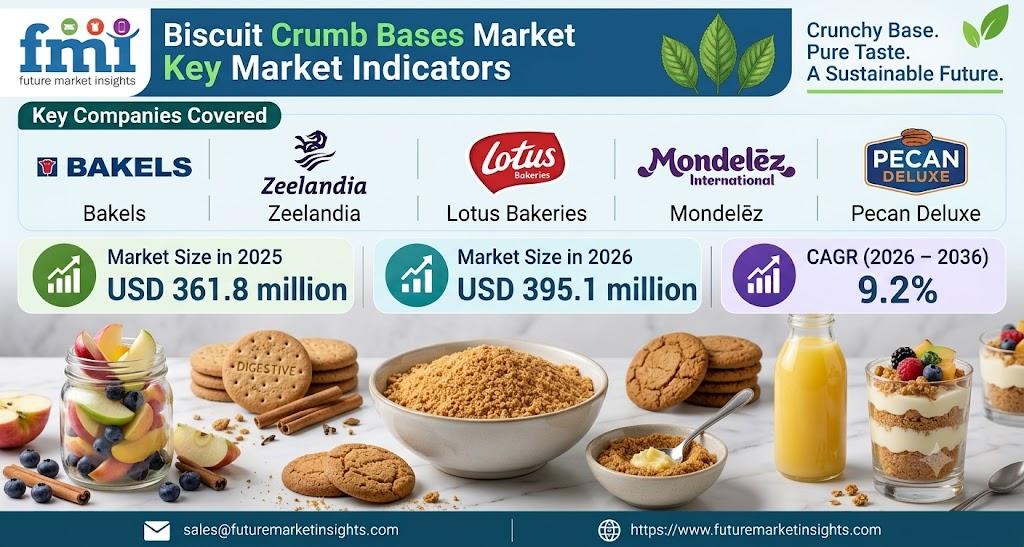
NEWARK, Del., October 28, 2026 — The global biscuit crumb bases market is gaining momentum as commercial bakeries, dessert manufacturers, and foodservice operators seek convenient ingredients for cheesecakes, layered desserts, bakery products, and confectionery applications. Demand for consistent crumb textures, ready-to-use biscuit ingredients, and recognizable biscuit flavours is...
A well-designed European Fence can become an important connection between a building, its surrounding landscape, and the boundary of a property. Rather than functioning only as a physical divider, European-inspired fencing often emphasizes proportion, orderly lines, balanced openings, and coordination with architectural details. For buyers working with Yongkang Heqi Industry & Trade Co.,...