Wearable AI Market: The Growing Impact of Machine Learning on Wearable Devices
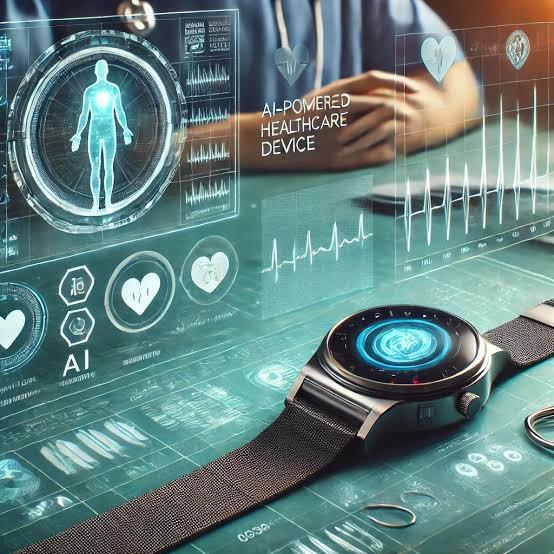
Healthcare systems worldwide are shifting away from reactive sick care toward continuous, preventive wellness, driven largely by intelligent sensors worn directly on the body. Smart rings, advanced fitness bands, and medical-grade patches now track heart rate variability, blood oxygen saturation, skin temperature, and sleep architecture around the clock. Rather than presenting users with overwhelming raw spreadsheets, embedded machine learning algorithms establish personal physiological baselines and flag subtle anomalies days before overt symptoms appear. According to a comprehensive Wearable Ai Market forecast, the convergence of generative health coaching and clinical-grade biosensors is expected to dramatically expand remote patient monitoring and chronic disease management over the coming years. For individuals managing diabetes, hypertension, or sleep apnea, automated insights offer unprecedented autonomy, empowering patients and physicians to make timely, data-backed lifestyle and therapeutic adjustments.
Despite these transformative clinical possibilities, group discussions around biometric wearables frequently highlight tensions between wellness empowerment and medical anxiety. Constant exposure to recovery scores and irregular rhythm alerts can trigger orthosomnia—a preoccupation with achieving perfect sleep metrics—or overwhelm primary care doctors with false-positive notifications from uncalibrated consumer devices. Regulatory agencies also face the challenge of distinguishing lifestyle trackers from FDA-cleared diagnostic instruments, ensuring algorithms perform accurately across diverse skin tones and age groups. Moreover, the monetization of sensitive physiological data by insurance providers or third-party wellness apps remains a major ethical concern. Navigating regulatory validation, algorithmic fairness, and strict health data ownership will be vital as wearable diagnostics become deeply embedded in modern healthcare delivery.
FAQs
-
Can consumer AI wearables reliably detect medical conditions early? Many advanced wearables can identify early physiological trends such as atrial fibrillation, fever onset, or sleep disturbances, though doctors emphasize they should complement—rather than replace—clinical diagnostic tests.
-
How do AI algorithms personalize health recommendations for wearers? By continuously analyzing historical baseline data across sleep, activity, and stress markers, machine learning models detect deviations specific to an individual's biology and tailor recovery or workout advice accordingly.
➤➤➤Explore MRFR’s Related Ongoing Coverage In Semiconductor Industry:
mmWave Sensors and Modules Market
Non-Destructive Testing (NDT) Services Market
Track Geometry Measurement System Market
Κατηγορίες
Διαβάζω περισσότερα
The long-term outlook for the stable isotope labeled compound market remains supported by pharmaceutical research, environmental monitoring, food safety, agricultural studies, and advances in analytical technologies. Market Research Future projects the market to increase from USD 3.658 billion in 2024 to approximately USD 5.976 billion by 2035, representing a CAGR of 4.56% during...

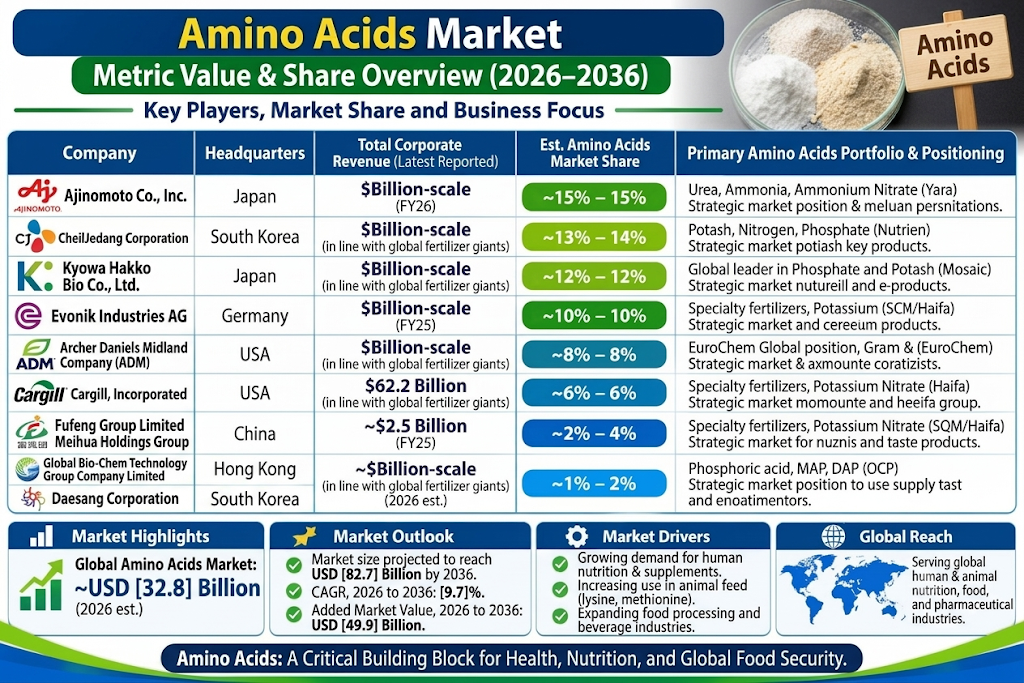
Amino Acids Market Outlook NEWARK, Del., November 9, 2026 — The global Amino Acids Market is projected to reach USD 32.8 billion in 2026. According to Future Market Insights (FMI), the market is forecast to grow to USD 82.7 billion by 2036, expanding at a compound annual growth rate (CAGR) of 9.7% between 2026 and 2036. This represents an incremental market opportunity of USD 49.9 billion...
When working with a Stainless Steel Water Bottle Factory, buyers can look beyond the bottle's appearance and consider how its material, structure, manufacturing process, and user-oriented details work together. Yongkang Xiaoyu Industry & Trade Co., Ltd. focuses on the design, manufacturing, and sales of travel mugs, plastic cups, and insulated cups, with stainless steel drink bottles...

Best Edition Golden Goose Shoes Sale Online

What regulations govern the disposal of expired medical components from a Roadside Car First Aid Kit Manufacturer? This question rarely reaches purchasing departments. Most buyers assume expired kits go into regular trash. This assumption violates laws across multiple jurisdictions. Expired antiseptic wipes contain chemical preservatives. Outdated bandages may harbor bacterial growth. Unused...