Surge Protection Devices Market Share: Where the Specification Lives

Surge protection devices market share is determined by who controls the specification—not by who makes the best varistor. When code requires protection at the service entrance, the electrical major already supplying the panel captures the sale. When a consumer buys a plug-in strip, the retail brand with visible features captures it. The Surge Protection Devices Market Share landscape is best read as two separate competitive fields sharing a component supply base.
The Overall Competitive Structure
The market is moderately fragmented, with several key players exerting influence over various segments. The research observes a trend toward consolidation as companies seek to enhance competitive edge through strategic partnerships and acquisitions—with increasing localisation of manufacturing to reduce lead times and optimise supply chains.
The recognized key players include Schneider Electric (FR), Eaton Corporation (US), Siemens AG (DE), ABB Ltd (CH), Emerson Electric Co. (US), General Electric (US), Leviton Manufacturing Co. (US), Tripp Lite (US), and CyberPower Systems (US).
The competitive structure divides into three groups:
Electrical equipment majors — Schneider Electric, Eaton, Siemens, ABB, Emerson Electric, General Electric — hold positions across hardwired and panel-integrated protection, with engineering specification influence.
Component specialists — Leviton Manufacturing — hold positions in code-compliant residential and commercial protection, including surge-protective breakers and panels.
Consumer channel brands — Tripp Lite (within Eaton's portfolio), CyberPower Systems — hold positions in plug-in and power strip devices through retail and e-commerce.
Company-Level Positioning
Schneider Electric focuses on enhancing its portfolio through digital transformation and smart technology. It launched a smart surge protection line incorporating IoT technology enabling real-time monitoring and management—providing enhanced control and visibility, potentially setting a new industry standard.
Eaton Corporation emphasises sustainability and energy efficiency. It announced a partnership with a renewable energy firm to develop integrated protection for solar energy systems—aligning with the global renewables shift and positioning as a frontrunner in solutions meeting the energy sector's evolving needs. Its Tripp Lite portfolio introduced a surge protector with high joule suppression, six outlets, coaxial protection, and UL 1449 certification for network-connected equipment.
Siemens AG is pursuing regional expansion in emerging markets. It unveiled a comprehensive surge protection solution for industrial applications with advanced diagnostic features—addressing increasing industrial electrical system complexity.
ABB Ltd holds a position across electrical protection and infrastructure. It opened a UK manufacturing and R&D facility dedicated to earthing and lightning protection including a dedicated SPD section—expanding capacity for data centre and critical infrastructure solutions.
Leviton Manufacturing holds a position in code-compliant residential protection. It highlighted the NEC expansion of requirements and its Type 1, 2, and 3 portfolio including surge-protective breakers and panels—strengthening code-compliant options for residential installations.
CyberPower Systems holds a position in consumer protection. It launched RGB-equipped surge protectors with high energy absorption, USB-C charging, and connected-equipment protection for gaming and advanced consumer applications.
Emerson Electric and General Electric hold positions across industrial electrical equipment and protection.
Regional Share Distribution
North America
Holds approximately 40% of global share—the largest regional market. Electrical safety demand, stringent regulation, smart home growth, and renewable installations all contribute. The United States leads with significant Canadian contribution. Eaton and Schneider Electric dominate, with advanced manufacturing and strong distribution enhancing accessibility.
Europe
Holds approximately 30% share through stringent safety and efficiency regulation. EU directives are key drivers fostering innovation and compliance. Germany and the UK lead, with Siemens and ABB prominent alongside emerging startups focused on advanced technology—with sustainable energy and smart grid emphasis further boosting demand.
Asia-Pacific
Holds approximately 25% share and grows rapidly through urbanisation, industrialisation, and electronic adoption. Government regulation enhancing safety propels demand, with China and India leading and CyberPower and Tripp Lite participating alongside local players—with renewable energy and smart city initiatives creating new opportunity.
Middle East and Africa
Holds approximately 5% share through infrastructure investment and growing safety awareness. Regulatory bodies are beginning to implement standards promoting SPD use, with South Africa and the UAE leading and Leviton and Emerson Electric present.
A note on regional shares: The four listed shares total 100% and leave no allocation for South America, despite the report scope listing it among covered regions.
Segment-Level Share Concentration
By Product Class
Plug-in devices hold the largest share at approximately USD 1.5 billion in 2024—the segment where consumer channel brands hold strongest position through retail and e-commerce. Hardwired devices grow fastest—and are concentrated among electrical majors and component specialists with panel and engineering specification influence.
By Type
MOVs hold the dominant type share at approximately USD 1.57 billion—contested broadly since the component is widely available across manufacturers. TVS grow fastest at approximately USD 1.25 billion—and are more concentrated among manufacturers serving telecommunications and automotive applications where rapid response is critical.
By Application
Residential holds the largest application share at approximately USD 1.2 billion—contested across both electrical majors (panel protection) and consumer brands (plug-in devices). Industrial grows fastest—and is concentrated among electrical majors with industrial specification capability and diagnostic features.
By End Use
Consumer electronics holds the dominant end-use position at approximately USD 1.2 billion—the segment where consumer brands hold strongest position. IT and telecom grow fastest—contested among electrical majors with data centre capability and consumer brands with rack-mount protection.
Strategic Levers Reshaping Share
1. Panel Integration and Code Capture
Leviton's emphasis on the NEC expansion and its Type 1, 2, and 3 portfolio reflects a share strategy built on capturing specification where regulation now mandates protection—converting a code requirement into a product placement.
2. Smart Monitoring and IoT
Schneider Electric's smart SPD line with IoT technology for real-time monitoring reflects a strategy of converting a passive component into a monitored asset—creating service relationships and switching costs.
3. Renewable Application Alignment
Eaton's partnership with a renewable energy firm to develop solar-specific protection reflects a strategy of aligning with the fastest-growing application pool—where expensive inverters and exposed installations make protection economics compelling.
4. Regional Manufacturing and R&D
ABB's UK facility dedicated to earthing and lightning protection including a dedicated SPD section reflects a strategy of building regional capability near demand—improving lead times and service responsiveness in critical infrastructure markets.
5. Consumer Channel Differentiation
CyberPower's RGB-equipped surge protectors with USB-C charging reflect a strategy of competing on visible features in consumer channels—where purchase decisions are driven by aesthetics and functionality rather than by specification compliance.
How Share Is Likely to Shift
Three dynamics will shape competitive position through 2035:
From point-of-use to service entrance. As code mandates move protection upstream, share migrates toward manufacturers with Type 1 and panel-integration capability—favouring electrical majors over consumer brands.
From passive to monitored. Smart monitoring and diagnostics become differentiators, favouring manufacturers with IoT platforms.
From generic to application-specific. As renewable and data centre applications grow fastest, share moves toward manufacturers with application-specific solutions rather than general-purpose protection.
Conclusion
Surge protection devices market share is contested across two distinct competitive fields—panel-integrated electrical majors holding specification and consumer brands holding retail channels. North America anchors scale, Europe leads on regulation, Asia-Pacific drives growth, residential holds application share while industrial grows fastest, MOVs hold type share while TVS grows, and plug-in holds product class share while hardwired grows. The firms gaining ground are those capturing panel specification, delivering smart monitoring, aligning with renewable applications, localising manufacturing, and differentiating in consumer channels. In a market where protection is increasingly mandated, share belongs to those written into the code.
Utility Distribution Panel Market
Utility Distribution Transformer Market
Utility Scale Electrical Bushing Market
Utility Scale Green Power Transformer Market
Utility Scale Medium Voltage Digital Substation Market
Utility Scale Substation Market
Utility Scale Synchronous Condenser Market
Categorias
Leia mais
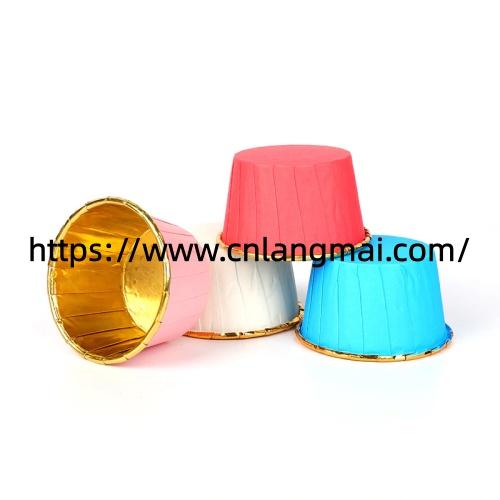
Aluminum Foil Cupcake Liners are considered by bakeries, wholesalers, food manufacturers, and retailers that need practical packaging for baked products and related applications. Before placing an order, buyers should examine material specifications, finished dimensions, heat conditions, appearance, customization possibilities, packing quantities, and supplier communication. Current packaging...
The prom dresses market has become a dynamic segment within the global fashion industry, driven by evolving consumer preferences, fashion innovation, and increasing spending on special occasions. Prom is considered one of the most memorable events for teenagers, and selecting the perfect dress has become a significant part of the experience. This has led to growing demand for stylish, elegant,...

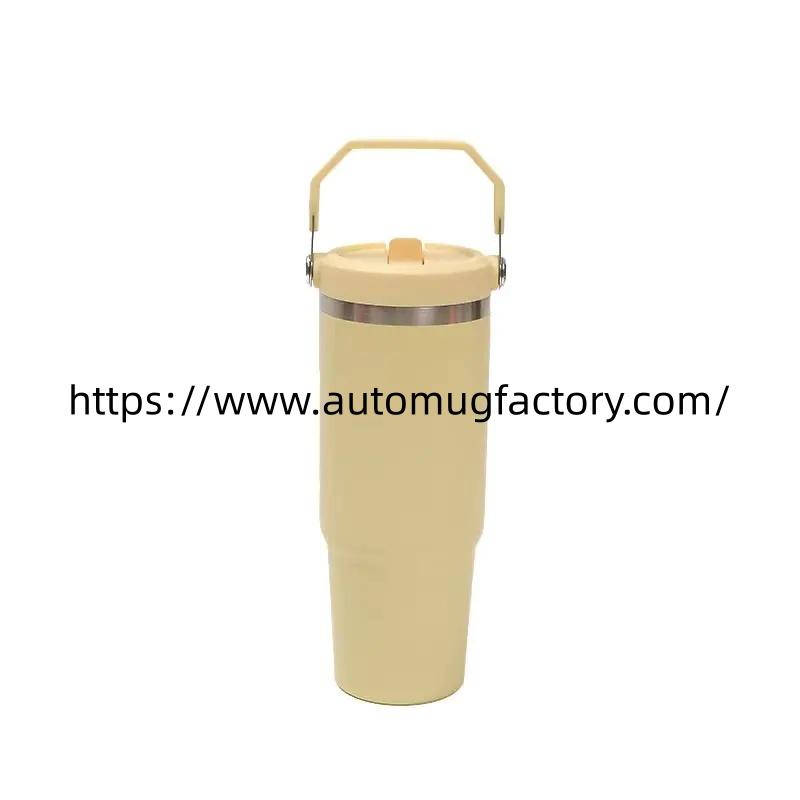
When working with a Stainless Steel Water Bottle Factory, buyers can look beyond the bottle's appearance and consider how its material, structure, manufacturing process, and user-oriented details work together. Yongkang Xiaoyu Industry & Trade Co., Ltd. focuses on the design, manufacturing, and sales of travel mugs, plastic cups, and insulated cups, with stainless steel drink bottles...
The Airline Route Profitability Software Market is witnessing substantial growth as airlines focus on maximizing revenue while maintaining operational efficiency. Modern carriers operate in a highly dynamic environment where fuel prices, passenger demand, competitive pressures, and regulatory requirements constantly influence profitability. A major driver of market expansion is the growing use...
Geographic performance metrics and regional distribution are core highlights discussed within official Transparent Display Market Share statistical reviews. North America currently secures the largest revenue portion, propelled by dense architectural tech ecosystems and luxury retail branding. Meanwhile, Asia-Pacific registers the fastest growth trajectory due to massive manufacturing hubs and...